Mowing your lawn can quickly turn risky when your pets are nearby. You want to keep your yard looking great, but more importantly, you want to keep your furry friends safe.
Imagine avoiding painful accidents and stress just by following a few simple steps. You’ll discover easy and effective safety tips to protect your pets while mowing. Keep reading to learn how you can enjoy a beautiful lawn without putting your pets in harm’s way.
Credit: serwalloutdoor.com
Risks Of Mowing Near Pets
Mowing near pets can be dangerousif you do not take care. Pets may get injuredby sharp blades or flying debris. Small stones and sticks can hit them and cause wounds. Loud mower noise can frightenpets or cause hearing problems. Stress from the noise may make pets run away or hide.
Pets might also try to chasethe mower. This increases the risk of accidents. Staying alert and keeping pets away is very important for their safety.
| Common Hazards | Injury and Noise Concerns |
|---|---|
| Sharp blades can cut pets | Noise can cause hearing damage |
| Flying debris may hit pets | Stress from noise may scare pets |
| Pets may chase the mower | Pets might hide and get lost |

Credit: x.com
Preparing Your Yard Before Mowing
Before mowing, clear your yardof any pet toys and bowls. These items can get damaged or cause harm if hit by the mower. Pets often leave their belongings scattered, so take a quick walk around to pick them up.
Securing pet areas is also crucial. Use fences or gates to keep pets safely away from the mower. This prevents pets from running into the mowing zone suddenly.
- Check for toys and food bowlsto avoid accidents.
- Secure petsin a safe space during mowing.
- Double-checkthe area before starting the mower.
Choosing The Right Mower
Choosing a mower with low noise levelshelps keep pets calm. Electric mowers are usually quieter than gas models. Noise can scare pets and cause stress. A quiet mower also means less disturbance for neighbors.
Safety features are very important. Look for mowers with blade guardsto protect pets from sharp blades. Auto shut-off is helpful if you accidentally drop the handle. Some mowers have sensors that stop blades if pets come too close.
| Feature | Benefit |
|---|---|
| Low Noise | Reduces pet stress and fear |
| Blade Guard | Protects pets from injury |
| Auto Shut-off | Stops blades quickly for safety |
Keeping Pets Safe During Mowing
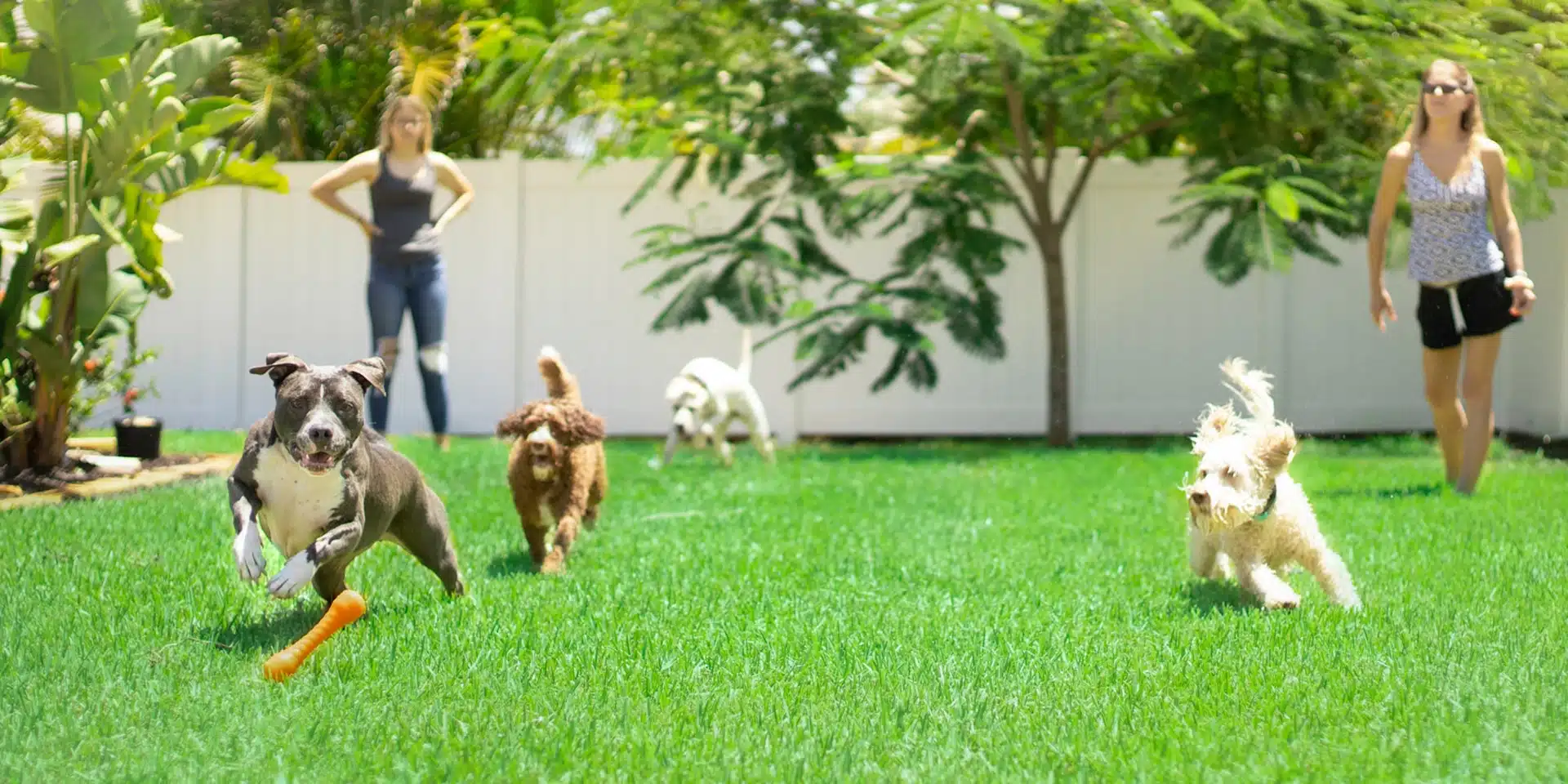
Keep pets away from the mowing area by creating a safe zone. This space should be far enough to avoid any flying debris or noise. Use barriers like fences or gates to block access. This helps prevent pets from running near the mower.
Leashes are useful for controlling pets during mowing. Attach a leash to keep your pet close and safe. Always watch your pet carefully to stop them from moving toward the mower. This reduces the risk of injury.
Mowing Techniques For Pet Safety
Move the mower slowlyto keep pets safe. Quick movements can startle them. Take your time and watch pets carefully. This helps avoid accidents.
Clear the lawn of stones, sticks, and toysbefore mowing. These items can fly out and hurt pets. Check the area twice to be sure it’s safe.
- Keep pets inside or awaywhile mowing.
- Use a low speedsetting on the mower.
- Stop immediately if a pet comes too close.
- Wear protective gear to stay safe too.

Credit: furrygreen.hk
Post-mowing Pet Care
Keep pets indoors during mowing to avoid accidents and loud noise stress. Check your yard afterward for sharp debris or leftover grass clippings that could harm pets. Always supervise pets outside to ensure their safety around mowing equipment.
Check For Injuries
After mowing, look at your pet for cuts or scratches. Check their paws for thorns or sharp objects. If you find any, clean the area gently. Use a soft cloth and warm water. See a vet if the injury looks serious. Pets can hide pain, so be careful.Clean Up Debris
Grass and leaves can stick to pets. Brush them gently to remove debris. Use a pet-friendly brush or comb. Keep the yard clean to prevent more debris. Pick up sticks and trash after mowing. This keeps pets safe and your yard tidy. `Alternative Lawn Care Options
Hiring professionals can be a safe choice for lawn care. Experts use proper toolsand know how to keep pets safe. You can trust them to do the job without causing harm. This also saves your time and effort.
Using quieter equipment helps reduce noise that may scare pets. Electric or battery-powered mowers are usually less noisythan gas-powered ones. These tools make the lawn care process calmerfor your pets and neighbors.
Frequently Asked Questions
How Can I Keep Pets Safe While Mowing The Lawn?
Keep pets indoors or in a secure area during mowing. Always check the lawn for pets before starting. Use barriers or leashes to prevent pets from entering the mowing zone. This reduces injury risks from debris or mower blades.
Why Should I Avoid Mowing With Pets Nearby?
Mowing with pets nearby can cause serious injuries from flying debris or mower blades. Pets may get scared and run unpredictably, increasing accident risks. Keeping pets away ensures their safety and prevents distractions that could lead to mower mishaps.
What Precautions Protect Pets From Mower Noise?
Mower noise can stress or frighten pets. Keep pets indoors or in a quiet, safe place during mowing. Use noise-canceling devices or soft background music to soothe anxious pets. Gradually acclimate pets to mower sounds to reduce fear over time.
Are There Pet-friendly Mowing Times To Consider?
Mow during times when pets are less active or indoors, such as early morning or late afternoon. Avoid mowing during extreme heat to prevent pet discomfort. Timing mowing sessions carefully helps minimize pet stress and exposure to hazards.
Conclusion
Mowing with pets nearby needs careful attention. Keep pets inside or far from the mower. Always check the area for toys or animals before you start. Use proper gear to protect yourself and your pets. Take breaks to watch your pets and ensure their safety.
A little care helps avoid accidents and keeps everyone happy. Stay alert, stay safe, and enjoy your yard time together.





