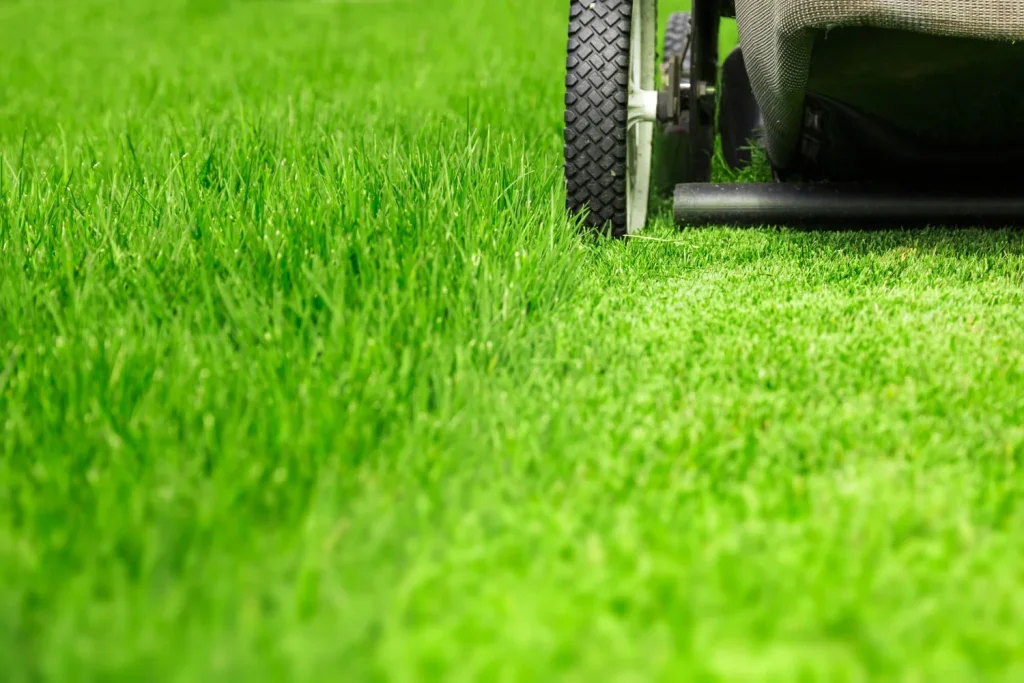
You’ve just finished fertilizing your lawn, and now you’re wondering how to mow the grass without harming all your hard work. Mowing at the right time and in the right way can make a huge difference in how healthy and green your lawn looks.
If you cut too soon or too low, you might undo the benefits of fertilizing. But don’t worry—this guide will show you exactly when and how to mow after fertilizing so your grass stays strong and beautiful. Keep reading to learn the simple steps that will help your lawn thrive all season long.
Timing Your Mowing
Wait at least 24 to 48 hoursbefore mowing after fertilizing. This allows the fertilizer to soak into the soil and reach the roots. Mowing too soon can remove nutrients and stress your grass.
Look for these signs to know when your lawn is ready:
- Grass blades stand upright and dry
- Soil is moist but not muddy
- No visible fertilizer granules on grass
- Grass grows evenly and feels strong
Choose a mower blade that is sharp to avoid tearing grass. Set the mower height higher than usual to protect new growth. Mowing gently helps keep your lawn healthy after fertilizing.

Credit: www.youtube.com
Adjusting Mower Settings
Choosing the right cutting height helps protect new grass after fertilizing. Set your mower blades higher than usual to avoid cutting too short. This keeps the grass strong and healthy. Tall grass shades the soil and stops water loss.
Sharp blades make clean cuts on grass blades. Dull blades tear grass, causing stress and disease risk. Check mower blades before mowing. Sharpen or replace them if needed for smooth cutting.
- Adjust cutting height to 3-4 inches after fertilizing.
- Check blades for sharpness before each mow.
- Clean mower deck to avoid grass buildup.
- Cut dry grass to prevent clumping and uneven cuts.
Mowing Techniques For Fertilized Lawns
Grass stays healthier when mowed after fertilizer settles for a day or two. Use a sharp blade and cut no more than one-third of the grass height. This helps the lawn absorb nutrients better and grow strong.
Avoiding Stress On Grass
Mowingafter fertilizing is crucial. Grass needs to stay healthy. Use sharp blades. Dull blades can harm the grass. This makes it weak. Grass becomes easy to damage. Avoid cutting too short. Short grass can get stressed. Stressed grass doesn’t grow well. It becomes more prone to diseases.
Mowing Patterns To Follow
Mow in different directions each time. This keeps the grass strong. It prevents leaning in one direction. Change patterns to avoid ruts. Ruts can harm the lawn. Keep your mower speed steady. Fast speeds are not good. They can rip grass instead of cutting. Slow down near edges. Edges are delicate and can be damaged easily.
Watering After Mowing
Watering after mowinghelps the grass absorb nutrients better. Wait about 24 hours after mowing before watering. This prevents stress on the grass.
Keep the soil moist but not soggy. Overwatering can wash away fertilizer. Underwatering may stop nutrients from reaching roots.
- Water early in the morning to reduce evaporation.
- Use a sprinkler for even coverage.
- Water for about 15-30 minutes depending on soil type.
Check the soil moisture by feeling it. If it feels dry, it is time to water again. Proper timing helps grass grow strong and green.
Common Mistakes To Avoid
Mowing too soonafter fertilizing can harm your grass. Fertilizer needs time to soak into the soil. Cutting grass too early can remove the fertilizer before it works well. Wait at least 24 to 48 hours after fertilizing before mowing.
Cutting too shortweakens the grass. Short grass blades cannot hold water or nutrients effectively. This can cause stress and make grass turn brown or patchy. Always set your mower blade higher after fertilizing to protect your lawn.
- Wait 1-2 days after fertilizing before mowing.
- Set mower blades to a higher level.
- Avoid cutting more than one-third of the grass height at once.
- Grass needs time to absorb nutrients for best health.

Credit: www.youtube.com
Maintaining Lawn Health Post-fertilization
Maintaining a regular mowing schedulehelps keep the lawn healthy after fertilizing. Mow the grass only when it has grown about one-third taller than usual. This avoids cutting too much at once, which can stress the grass. Use a sharp mower blade to make clean cuts and prevent damage.
Keep an eye on grass growthafter fertilizing. Grass may grow faster because of the nutrients. Check the lawn often and adjust mowing frequency as needed. Avoid cutting wet grass to prevent clumping and uneven cuts.

Credit: www.aol.com
Frequently Asked Questions
How Soon Should I Mow After Fertilizing Grass?
Wait 2 to 3 days before mowing after fertilizing. This helps the fertilizer absorb into the soil. Mowing too early can reduce fertilizer effectiveness and stress the grass.
What Mowing Height Is Best After Fertilizing?
Keep your mower blades higher, around 3 inches, after fertilizing. Taller grass blades protect roots and help fertilizer absorb better. Avoid cutting more than one-third of the grass height at once.
Can I Mow Wet Grass After Fertilizing?
Avoid mowing wet grass after fertilizing to prevent clumping. Wet grass clippings can spread fertilizer unevenly. Wait until the lawn is dry to mow for best results.
Should I Change Mower Settings After Fertilizing?
Yes, raise the mower blade height slightly after fertilizing. Higher mowing height promotes healthy grass growth and reduces stress. Adjusting settings protects the lawn and maximizes fertilizer benefits.
Conclusion
Mowing grass after fertilizing helps keep your lawn healthy and neat. Wait at least two to three days before cutting the grass. Use a sharp mower blade to avoid damaging new growth. Cut only one-third of the grass height at a time.
This approach helps the fertilizer work better and the grass grow strong. Regular care makes your lawn look green and fresh. Simple steps bring great results for any yard. Enjoy a beautiful lawn with easy mowing after fertilizing.





