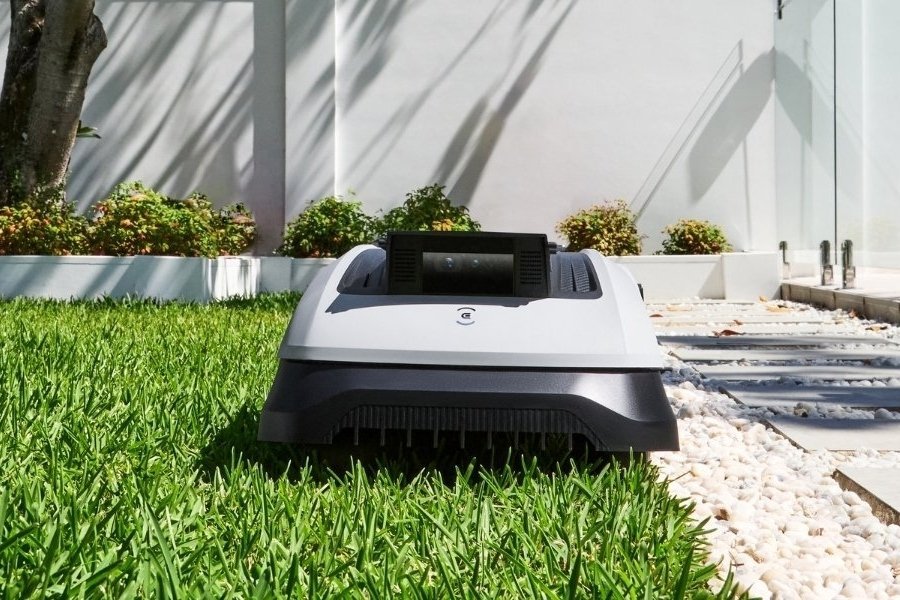
Imagine stepping into your garden and being greeted by a perfectly manicured lawn without having lifted a finger. Sounds like a dream, right?
With the rise of smart technology, robot lawn mowers are promising to turn this dream into reality. But do these futuristic gadgets truly deliver on their promises, or are they just another tech fad? If you’ve ever found yourself spending precious weekend hours wrestling with a traditional lawn mower, this question might have crossed your mind.
We’ll explore whether robot lawn mowers really work and how they might just revolutionize your lawn care routine. Stick around, because you’re about to discover if these little machines can truly transform the way you maintain your outdoor space.
Credit: www.yarbo.com
How Robot Mowers Operate
Understanding how robot lawn mowers operate helps to see their efficiency and ease. These machines use smart technology to cut grass automatically. They move around the yard, trim the lawn, and recharge themselves with minimal human help.
Navigation And Mapping
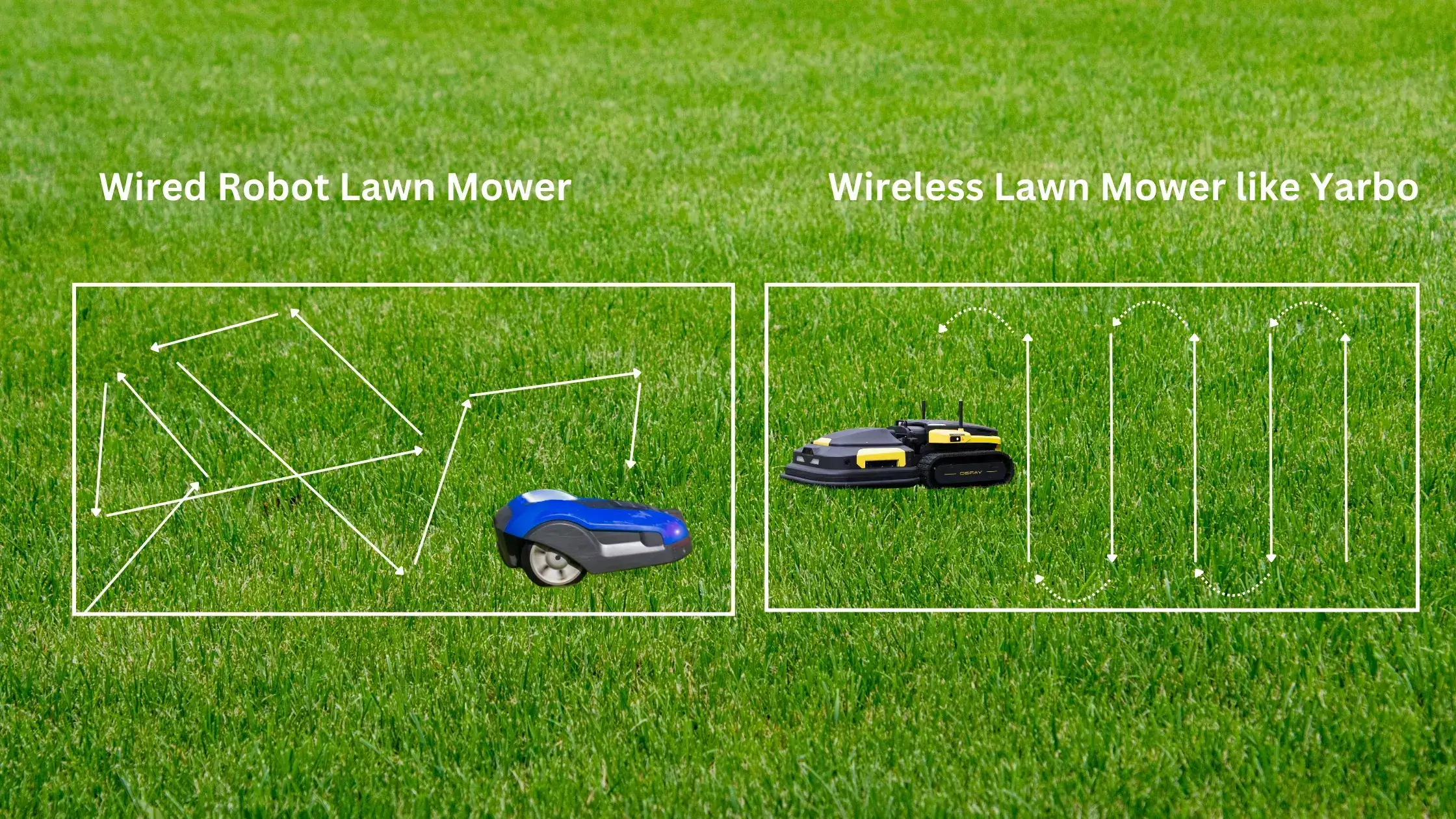
Robot mowers use sensors to detect obstacles and edges. They create a map of the lawn to cover all areas. Some models use GPS for precise navigation. Boundary wires can mark the mowing area. This helps the mower stay within limits and avoid flower beds or pools.
Cutting Mechanism
The mower blades are small but sharp. They cut grass in a precise way to avoid damage. The blades spin fast to trim grass evenly. Some mowers use multiple blades for better coverage. The cut grass is left on the lawn to act as natural fertilizer.
Charging And Power Management
Robot mowers run on rechargeable batteries. They return to a charging station when the battery runs low. Charging is automatic and quick. Battery life supports several hours of mowing. Energy-efficient designs help save power during operation.

Credit: robotlawnmower.nz
Key Efficiency Factors
Understanding the key efficiency factors of robot lawn mowers can help you decide if they’re the right fit for your yard. These machines promise convenience, but their performance depends on several important aspects. Let’s break down what really affects how well a robot mower works.
Battery Life And Coverage Area
Battery life directly impacts how much ground your robot mower can cover in one go. If your lawn is large, a short battery life means the mower will need frequent recharges, extending the total mowing time.
Think about your yard’s size before choosing a model. Some mowers handle up to half an acre on a single charge, while others are better suited for smaller patches.
Have you ever noticed how a mower that stops halfway through leaves you doing extra work? That’s a clear sign the battery doesn’t match the coverage area.
Cutting Patterns And Grass Health
Robot mowers use different cutting patterns, from random to systematic. Random patterns can sometimes miss spots, but they also prevent the grass from developing grooves or lines.
Consistent, short trims help keep your grass healthier by promoting even growth. Many users report their lawn looks greener and thicker after switching to robot mowers that cut frequently.
Are you aiming for a perfect, manicured lawn or just a tidy look? Your choice of cutting pattern could influence the outcome.
Weather And Terrain Adaptability
Weather conditions can affect a robot mower’s efficiency. Some models pause when it rains, while others continue working, but wet grass can clog blades and reduce cutting quality.
Terrain also matters—steep slopes or uneven ground challenge many mowers. Models with sensors and adjustable wheels handle rough terrain better, keeping your lawn trimmed evenly.
Do you know how your mower performs in different weather or on hills? Choosing one that matches your yard’s conditions saves you frustration and extra maintenance.
Ease Of Use Features
Robot lawn mowers are designed to make lawn care simpler and less time-consuming. Their ease of use features are a major draw for homeowners who want a beautifully trimmed lawn without the hassle. Understanding these features helps you decide if a robot mower fits your lifestyle and lawn needs.
Installation Process
Setting up a robot lawn mower might seem tricky at first, but many models offer straightforward installation. Most require laying a boundary wire around your lawn’s edges to keep the mower on track. This step usually takes a couple of hours, depending on your yard’s size and shape.
Some brands provide helpful guides or even professional installation services. Have you ever tried setting up tech gadgets that ended up easier than expected? The same often applies here—once the boundary is set, the mower takes over, giving you back your weekends.
Control Options And Connectivity
Robot mowers today come with multiple control options that suit different comfort levels with technology. Many models include simple onboard controls, while others connect to your smartphone via apps. These apps let you schedule mowing times, adjust settings, and even track your mower’s location.
Voice control is another feature in newer models, allowing commands through smart home devices. Imagine telling your mower to start while you’re still inside your house. This level of connectivity offers both convenience and flexibility that traditional mowers can’t match.
Maintenance Requirements
Robot mowers require less maintenance than conventional ones but still need some regular care. You’ll need to clean the blades and wheels occasionally to ensure smooth operation. Checking for debris and replacing blades every few months keeps your mower efficient and your lawn looking sharp.
Battery health is another aspect to monitor—most batteries last several years but will eventually need replacing. Do you have a maintenance routine for your other garden tools? Integrating mower upkeep into your schedule keeps surprises at bay and saves money long-term.

Credit: www.youtube.com
Comparing Robot Mowers To Traditional Mowers
Choosing between a robot lawn mower and a traditional mower changes how you manage your yard work. Both have their strengths and challenges, and understanding these can help you decide which fits your lifestyle and lawn care needs better. Let’s break down the key differences to see what really works for you.
Time And Labor Savings
Robot mowers work quietly and independently, cutting your grass on a schedule you set. This means you can spend your weekends doing what you love, not pushing a mower around.
Traditional mowers require your full attention and physical effort, often turning lawn care into a chore. Have you noticed how much time you actually spend mowing each week? Robot mowers can free up those hours completely.
Cost Considerations
Robot mowers usually come with a higher upfront price, often costing several hundred dollars more than traditional gas or electric mowers.
However, their low operating costs—no gas, minimal maintenance—can balance that initial investment over time. Traditional mowers might be cheaper to buy but can add up with fuel, oil, and repairs.
Think about your budget: would you prefer to invest more now and save later, or pay less upfront but spend more on upkeep?
Environmental Impact
Robot mowers run on electricity and produce zero direct emissions, making them a greener choice for your yard. They also mulch clippings finely, naturally fertilizing your lawn and reducing waste.
Gas-powered traditional mowers release emissions and often require more resources like fuel and oil. Even electric mowers vary in their environmental footprint depending on how the electricity is generated.
What matters more to you: reducing your carbon footprint or sticking with familiar equipment? Your choice affects your impact on the environment every time you mow.
Common Challenges And Solutions
Robot lawn mowers face several common challenges during operation. These obstacles can affect their performance and efficiency. Understanding these issues helps users find practical solutions. This section explores key challenges and ways to overcome them.
Obstacle Detection And Avoidance
Robot mowers must detect objects like toys, plants, or garden furniture. Sensors help them stop or change direction to avoid collisions. Some models use bump sensors, while others rely on ultrasonic or infrared technology. Regularly clearing the lawn of small items improves safety and mower efficiency.
For better obstacle handling:
- Trim low-hanging branches.
- Move garden tools and toys indoors.
- Set virtual boundaries if available.
Dealing With Complex Lawn Shapes
Lawns with narrow paths, slopes, or irregular edges challenge robot mowers. These machines might miss spots or get stuck. Many mowers include boundary wires to define the mowing area precisely. Mapping technology in advanced models helps navigate complicated layouts efficiently.
Tips for complex lawns:
- Install boundary wires carefully.
- Use guide wires for narrow passages.
- Choose a mower suited for slopes if needed.
Security And Theft Prevention
Theft is a concern with outdoor robotic devices. Most robot mowers include alarms and PIN codes for security. Some offer GPS tracking to locate the mower if stolen. Storing the mower in a locked shed or garage adds extra protection.
To protect your mower:
- Activate all built-in security features.
- Register the device with the manufacturer.
- Keep it in a secure area when not in use.
Tips For Maximizing Performance
Getting the best out of your robot lawn mower means more than just switching it on. You need to fine-tune its settings and care routine to suit your lawn’s unique needs. Small tweaks can make a big difference in how well your mower performs and how healthy your grass looks.
Optimal Scheduling
Set your mower to run during times when your lawn is dry, usually mid-morning or late afternoon. Wet grass can clog the blades and reduce cutting efficiency.
Think about your lawn’s growth rate—faster in spring, slower in fall—and adjust the mowing frequency accordingly. Running the mower too often wastes battery life; too little, and your grass gets uneven.
Have you noticed patches growing faster than others? You can program the mower to focus on those areas more frequently by setting custom zones, if your model supports it.
Seasonal Adjustments
Grass grows differently with the seasons, so your mower’s cutting height should change too. Raise the blades in hot, dry months to protect roots and lower them in cooler, wetter months for a cleaner cut.
Keep an eye on the battery’s performance as temperatures drop. Cold weather can reduce battery life, so shorter runs or charging more often might be necessary.
Adjust your mower’s schedule or pause it during winter dormancy to avoid unnecessary wear. Your mower will thank you with a longer lifespan.
Regular Maintenance Practices
Cleaning your mower after each use prevents grass build-up and keeps sensors working properly. Use a soft brush or cloth instead of water jets to avoid damaging electrical parts.
Check blades regularly for sharpness and replace them when they become dull. Sharp blades cut cleanly, reducing stress on your lawn and improving mower efficiency.
Inspect the wheels and charging contacts for dirt or damage. These small parts can cause big problems if neglected, leading to uneven mowing or charging failures.
Frequently Asked Questions
How Effective Are Robot Lawn Mowers In Cutting Grass?
Robot lawn mowers provide consistent, even cutting with precision. They maintain lawn health by trimming regularly. Their sensors adapt to terrain and obstacles, ensuring efficient mowing without damaging plants or objects.
Can Robot Lawn Mowers Handle Uneven Terrain?
Yes, many robot mowers navigate slopes and uneven ground well. They use sensors and smart algorithms to adjust cutting height and movement. However, extreme slopes or very rocky areas may challenge some models.
Are Robot Lawn Mowers Safe For Pets And Children?
Robot mowers have safety sensors that stop blades on impact. They operate quietly and avoid obstacles, reducing risks. Proper installation and supervision ensure safety around pets and kids during operation.
Do Robot Lawn Mowers Save Time And Effort?
Robot mowers automate lawn care, freeing up your time. They work independently on schedules you set, requiring minimal supervision. This reduces manual mowing effort and maintains a neat lawn consistently.
Conclusion
Robot lawn mowers offer a simple way to keep grass short and neat. They work quietly and save time for other tasks. These machines handle small to medium lawns with ease. They need some setup but run mostly on their own.
Battery life and obstacles can affect their performance. Overall, robot mowers provide good help for lawn care. They suit people who want less work outside. Trying one can show if it fits your yard and needs.





