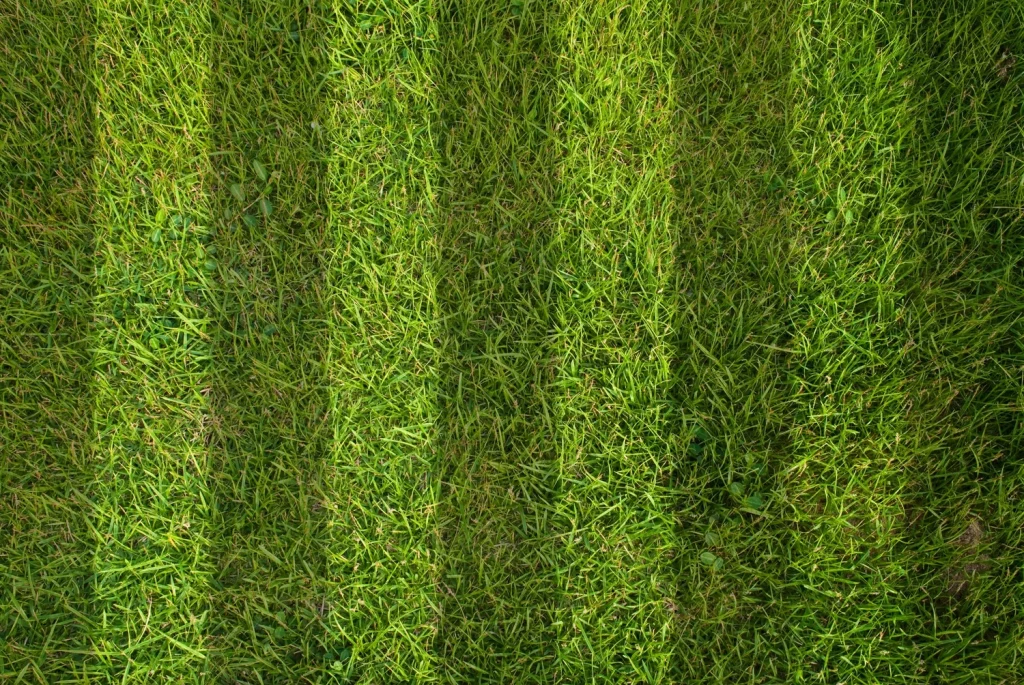
You’ve just finished fertilizing your lawn, and now you want it to look its absolute best. But how do you take it from ordinary to outstanding?
The secret lies in striping your lawn right after fertilizing. When done correctly, striping creates those beautiful, professional-looking patterns that make your yard stand out in the neighborhood. You’ll discover simple, effective steps to stripe your lawn like a pro, boosting its health and curb appeal at the same time.
Ready to transform your grass into a masterpiece? Let’s dive in.

Credit: www.youtube.com
Benefits Of Lawn Striping
Lawn stripingmakes your yard look neat and stylish. It creates a pattern using light and dark stripes. This adds a fresh, green look that stands out. People often admire striped lawns for their tidy appearance.
Striping also helps grass grow better. It pushes the grass blades to stand up straight. This lets sunlight reach all parts of the lawn. Better sunlight means stronger, healthier grass. It also improves air flow in the soil.
- Enhances curb appealwith a clean, professional look
- Improves grass densityby promoting upright growth
- Prevents soil compactionby evenly distributing pressure
- Helps detect lawn issueslike bare spots or weeds quickly
Preparing Your Lawn
Cut the grass short before applying fertilizer. Use a sharp mower blade for clean cuts. This helps the fertilizer reach the soil better.
Remove sticks, leaves, and other debris from the lawn. Debris blocks fertilizer from touching the grass and soil. Clear uneven spots by filling holes and smoothing bumps. This creates a flat surface for even fertilizer distribution.
- Mow in straight lines for neat stripes later.
- Bag grass clippings to avoid blocking fertilizer.
- Fix bare patches before fertilizing for uniform growth.
Choosing The Right Fertilizer
Choosing the right fertilizerhelps your lawn grow strong and green. Different fertilizers offer various nutrients. Some focus on nitrogenfor leaf growth, others on phosphorusfor roots, or potassiumfor overall health.
| Type of Fertilizer | Best For | Notes |
|---|---|---|
| Slow-release | Long-lasting nutrient supply | Feeds lawn over weeks or months |
| Quick-release | Fast green-up | Works fast but may need repeat use |
| Organic | Natural soil improvement | Good for soil health, slower effect |
Apply fertilizer when grass is actively growing. Early spring and fall are ideal times. Avoid fertilizing in very hot or dry weather. Wet soil helps fertilizer soak in better. Proper timing ensures the best lawn response.
Fertilizing Tips For Stripes
A nice lawn needs even fertilizer. Use a spreader for best results. Walking at a steady pace helps. This prevents too much in one place. Check the spreader’s settings before starting. Read the instructions carefully. This will help your grass grow strong and green.
Too much fertilizer can harm grass. It can burn the grass blades. Follow the recommended amount closely. More is not always better. Give the grass time to absorb nutrients. Water the lawn after fertilizing. This helps nutrients reach the roots. Keep an eye on the grass health. Adjust as needed to keep it healthy.
Striping Tools And Equipment
Lawn striperscome in different types for creating neat lines. Some attach to mowers, while others are separate rollers. Rollers press down grass blades in different directions to form stripes.
Using rollerswith mowers helps make clear patterns. Rollers should be attached to the mower’s back for best results. Mowing in straight lines improves the stripe effect.
- Roller stripers:Press grass down to create light and dark stripes.
- Striping kits:Attach to mower decks for easy use.
- Handheld stripers:Good for small or tight areas.
For best effect, mow at a steady speed. Overlapping slightly keeps stripes even. Always mow after fertilizing once the grass is dry.

Credit: www.reddit.com
Techniques For Perfect Stripes
Creating straight lineson your lawn needs a steady hand and focus. Mow in a straight path from one end to the other. Use a fixed object like a fence or driveway edge to guide your line. Keep your mower speed steady for even stripes. Overlapping slightly helps avoid missed patches.
Alternating stripe directionsmakes the stripes stand out. Mow the next line in the opposite direction of the first. This contrast gives the lawn a striped look. Be sure to follow the same straight path back. Consistency is key for neat stripes.
Maintaining Striped Lawns
Water the lawn lightly after fertilizing and striping. This helps the fertilizer soak into the soil. Avoid heavy watering, which can wash away nutrients. Early morning watering is best to reduce evaporation and disease risk.
Regular mowing keeps stripes clear and sharp. Cut grass at the right height to avoid stress. Use a sharp blade for a clean cut. Mow in different directions each time to keep the lawn healthy and the stripes visible.
Common Mistakes To Avoid
Using a dull mower blade can damage your grass. Ensure the lawn is dry before striping to avoid clumps.
Striping On Wet Grass
Striping grass when it is wet can cause uneven patterns and damage. Wet grass blades bend and do not reflect light properly. This makes the stripes look patchy and dull. Wet grass can also stick to the mower wheels, causing clumps and ruts. Wait for the lawn to dry fully before starting to stripe. This helps create clear, crisp lines and protects your mower from clogging.
Ignoring Soil Health
Good soil health is key for a green, healthy lawn. Poor soil leads to weak grass and poor striping results. Test soil pH and nutrients regularly to keep soil balanced. Use organic matter or compost to improve soil texture and water retention. Aerate the soil to reduce compaction and help roots grow deep. Healthy soil supports strong grass blades that respond well to striping.

Credit: www.reddit.com
Frequently Asked Questions
How Soon After Fertilizing Can I Stripe My Lawn?
You can stripe your lawn 24 to 48 hours after fertilizing. This allows the fertilizer to absorb into the soil and prevents disturbance.
What Tools Are Best For Striping A Fertilized Lawn?
A lawn mower with a roller or striping kit works best. These tools bend grass blades to create sharp, visible stripes.
Does Striping Affect Fertilizer Effectiveness?
No, striping does not reduce fertilizer effectiveness. It only changes grass blade direction, enhancing lawn appearance without harming nutrient absorption.
How Do I Avoid Damaging Grass When Striping Post-fertilizing?
Use a sharp mower blade and avoid excessive passes. This prevents pulling or tearing grass, especially when it’s more sensitive after fertilizing.
Conclusion
Striping your lawn after fertilizing adds a fresh, neat look. It helps grass grow evenly and stay healthy. Use a mower with a roller for best results. Mow in straight lines and change direction each time. This simple step can make your lawn stand out.
Keep up with regular care for lasting beauty. Enjoy a striped lawn that shows your hard work.





