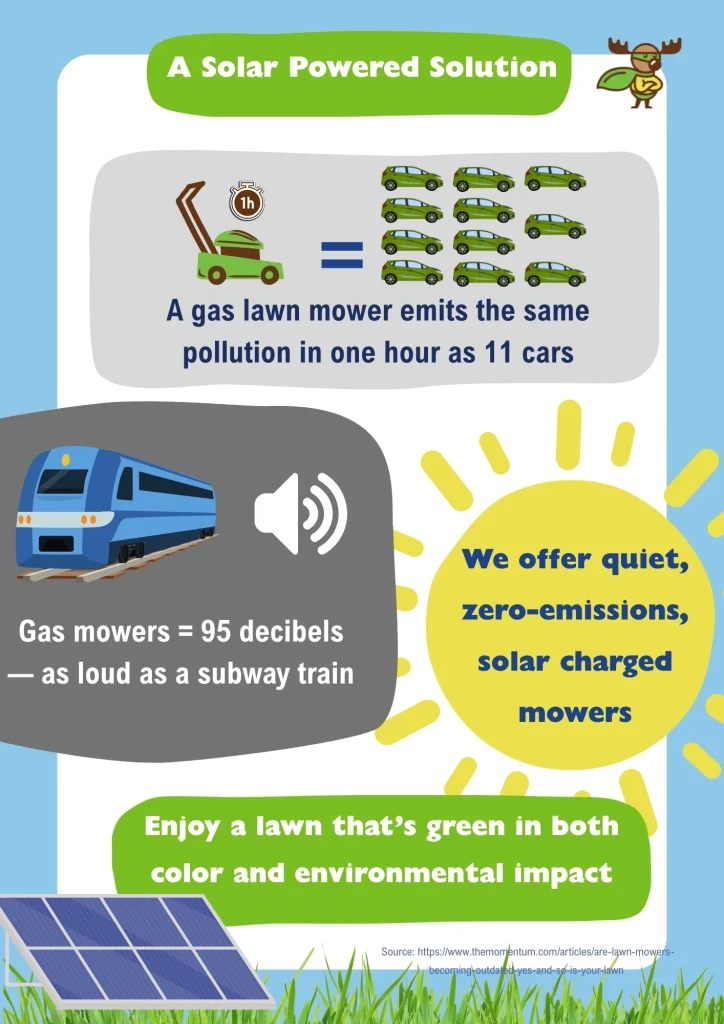
Your lawn looks great when it’s freshly mowed, but did you know that the way you mow can affect the environment? You might not realize it, but traditional lawn mowing can add to your carbon footprint.
What if you could keep your grass neat and green while also helping the planet? This guide will show you simple, smart ways to mow your lawn that save energy and reduce harmful emissions. Keep reading to discover easy steps you can take today to make your lawn care more eco-friendly and healthier for you and your family.
Choosing Eco-friendly Mowers
Electric mowersrun on batteries, making them cleaner and quieter. They emit no fumes, helping reduce air pollution. Charging takes time, but they need less maintenance than gas mowers.
Gas mowersare powerful but release harmful gases like carbon monoxide. They use fossil fuels, which increase your carbon footprint. Noise levels are higher and require regular oil and filter changes.
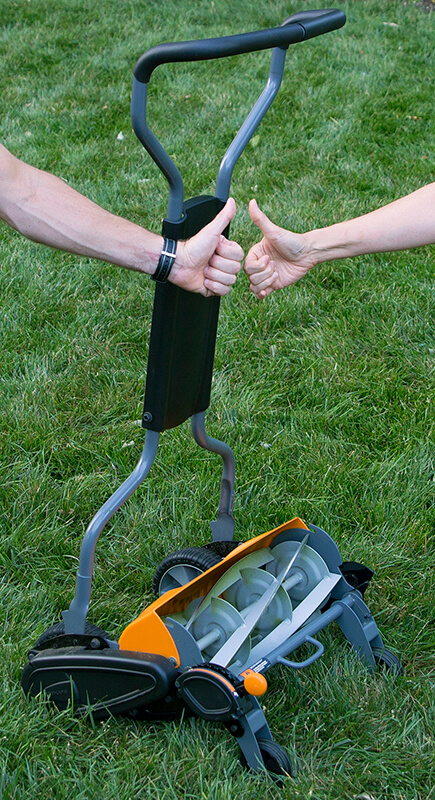
Manual reel mowers are simple and eco-friendly. They use no fuel or electricity. Pushing them provides exercise and keeps your lawn healthy by cutting grass evenly.
Solar-powered mowers charge using sunlight. They offer clean energyand reduce electric bills. Availability depends on weather, but they are very quiet and easy to use.
Optimizing Mowing Practices
Set the mowing heightbetween 2.5 to 3.5 inches. This helps grass grow strong and saves water. Cutting grass too short stresses it and wastes energy.
Mow often enough to remove no more than one-third of the grass blade at once. This keeps the lawn healthy and reduces fuel use. Letting grass grow too long before mowing causes more work and more emissions.
- Grasscyclingmeans leaving grass clippings on the lawn.
- Clippings return nutrientsto the soil naturally.
- This reduces the need for chemical fertilizers.
- It lowers waste and cuts carbon from transport and processing.
Maintaining Lawn Health Naturally
Organic fertilizershelp keep your lawn green without harming the earth. They improve soil health and add nutrients naturally. Compost, manure, and bone meal are good options. They feed grass slowly and reduce chemical use.
Water conservation techniquessave water and keep grass healthy. Water early in the morning or late in the evening to reduce evaporation. Use drip irrigation or soaker hoses to target roots directly. Mow higher to keep soil moist longer and reduce watering needs.
Native grass selectionis smart for a greener lawn. Native grasses need less water, fertilizer, and care. They are strong and can handle local weather well. Choosing native types helps support local wildlife and reduce your carbon footprint.

Credit: www.oceanriver.org
Reducing Emissions Beyond Mowing
Choosing manual or electric mowers helps cut emissions compared to gas-powered ones. Grasscycling leaves clippings on the lawn, reducing waste and feeding the soil naturally. Simple changes in mowing habits lower your carbon footprint effectively.
Composting Yard Waste
Composting helps reduce waste and emissions. Instead of throwing away, turn yard waste into compost. This creates nutrient-rich soil. It also reduces landfill trash. Composting can be done in a small bin. Use leaves, grass, and kitchen scraps. Keep the compost moist and turn it often. This makes it decompose faster.
Planting Trees And Shrubs
Trees and shrubs absorb carbon dioxide. They clean the air and provide shade. Planting them helps the environment. Choose native plants for your area. They need less water and care. Trees also provide homes for birds and insects. This increases biodiversity in your yard. It also makes your lawn more beautiful.
Using Eco-friendly Lawn Equipment
Choose electric or manual lawn mowers. They create less pollution. Electric mowers are quiet and efficient. Manual mowers use no fuel. They are good for small lawns. Keep equipment well-maintained. This ensures it works efficiently. Use a broom instead of a blower. It saves energy and reduces noise.
Incorporating Sustainable Lawn Alternatives
Ground coversand wildflowersneed less mowing and water. They help keep soil healthy and attract bees and butterflies. These plants grow low and spread fast. They also reduce weeds and stop soil from washing away.
Permeable surfaceslet rainwater soak into the ground. This helps stop flooding and keeps water clean. Using gravel, wood chips, or special bricks for paths and driveways helps the earth breathe.
Making wildlife habitatssupports birds, insects, and small animals. Leaving some tall grass and planting native shrubs gives them shelter and food. This helps keep the garden full of life and balance.
Credit: choosenatives.org

Credit: fairwaylawns.com
Frequently Asked Questions
How Can Mowing Reduce My Lawn’s Carbon Footprint?
Mowing smartly reduces carbon emissions by using electric or manual mowers. It lowers fuel consumption and minimizes pollution. Regular mowing also helps grass grow healthier, absorbing more CO2.
What Type Of Mower Is Best For The Environment?
Electric and battery-powered mowers are eco-friendly options. They produce zero emissions and are quieter than gas mowers. Manual reel mowers are also great for small lawns and have no carbon footprint.
How Often Should I Mow To Save Energy?
Mow your lawn once a week during the growing season. This prevents overgrowth, reducing the effort and energy needed each time. Consistent mowing helps maintain healthy grass, which absorbs more carbon dioxide.
Can Mowing Height Affect Carbon Absorption?
Yes, setting your mower blades higher promotes deeper roots and healthier grass. Taller grass absorbs more CO2 and retains moisture better, reducing the need for watering. Avoid cutting more than one-third of grass height at once.
Conclusion
Mowing your lawn the right way helps the planet and your home. Choose electric or manual mowers to cut pollution. Mow less often to save energy and protect grass. Keep blades sharp for cleaner cuts and healthier grass. Grass clippings left on the lawn add nutrients naturally.
Small changes in lawn care create a big difference. Start today to reduce your carbon footprint easily. Your lawn and Earth will thank you for it. Simple steps bring cleaner air and greener spaces.





