
Are you looking to keep your lawn healthy while also protecting the environment? Sustainable mowing is the key.
By changing a few simple habits, you can save water, reduce waste, and create a greener space right outside your door. Imagine a lawn that stays lush without harming the planet or costing you extra time and money. You’ll discover easy, practical tips that make sustainable mowing a breeze.
Ready to transform your mowing routine for good? Keep reading, and let’s get started!
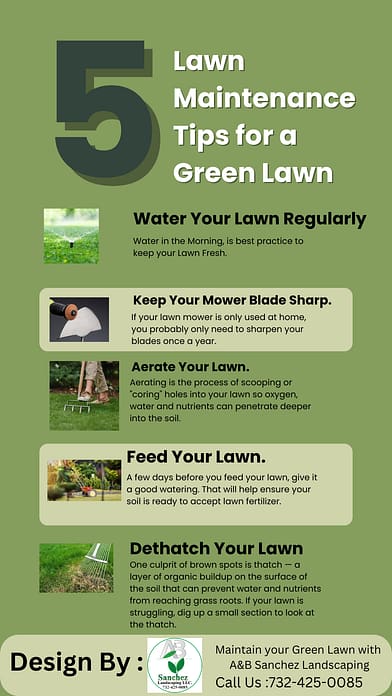
Credit: absanchezlandscaping.com
Choosing The Right Equipment
Electric mowersare quieter and produce no fumes. They need less maintenanceand are lighter. Gas mowers are more powerful for big yards but create more pollution. They need regular oil changes and fuel checks. Choose based on yard size and care ability.
Keeping mowers in good shape helps save energyand cuts pollution. Check the engine or battery often. Clean the mower after use. Replace parts that wear out to keep it running well.
Sharp bladescut grass cleanly. Dull blades tear grass, causing stress and disease. Sharpen blades every few uses. This keeps grass healthy and your mower working efficiently.
Mowing Techniques For Sustainability
Keep grass height between 2.5 and 3.5 inchesfor best health. Cutting too short stresses grass and wastes water. Taller grass shades soil, reducing evaporation. Adjust height by grass type and season.
Cut grass often but never more than one-third of its heightat once. Frequent mowing keeps lawns neat and healthy. Avoid cutting too low to prevent weak roots and brown spots.
- Grasscyclingmeans leaving clippings on the lawn.
- Clippings return nutrients, acting as natural fertilizer.
- This reduces need for chemical fertilizers.
- Helps retain moisture, saving water.
- Reduces yard waste and landfill use.
Water Conservation Strategies
The best time to waterlawns is early morning or late evening. This reduces water loss from evaporation. Watering during these times helps grass absorb moisture better. Avoid watering in the midday sun.
Use efficient irrigation methodslike drip systems or soaker hoses. These deliver water directly to the roots. Sprinklers can waste water by spraying sidewalks or streets. Smart controllers adjust watering based on weather and soil moisture.
Drought-resistant grass typesuse less water and stay green longer. Examples include Bermuda, Buffalo, and Zoysia grass. These grasses survive dry spells and need less frequent watering. Choosing the right grass saves water and effort.
Soil Health And Fertilization
Natural fertilizers help plants grow healthy. They are safe for soil. Compost and manure are common choices. These help improve soil structure. Plants get better nutrients this way. Always check the labels for organic certification. This ensures quality.
Lawn clippings are great for compost. They add nitrogen to the mix. This is good for plants. Collect the clippings after mowing. Put them in a compost bin. Mix them with dry leaves and kitchen scraps. The compost will be ready in a few months. Use it to enrich your garden.
Testing soil is very important. It helps you know what your soil needs. You can buy a soil test kit at the store. Follow the instructions carefully. The test tells you about pH levels and nutrients. With this information, you can choose the right fertilizer. Healthy soil means healthy plants.
Promoting Biodiversity
Planting native specieshelps support local wildlife. These plants need less water and care. They provide food and shelter for birds, bees, and butterflies. Choose plants that grow well in your area for best results.
Creating wildlife habitats invites many creatures to your lawn. Leave some areas with tall grass or wildflowers. Add birdhouses or small ponds to attract different animals. This creates a small ecosystem that benefits nature.
Reducing chemical use keeps the soil and water clean. Avoid strong pesticides and fertilizers. Use natural compost or organic options instead. This helps insects and earthworms stay healthy, which is good for the grass too.

Credit: www.landscapemanagement.net
Seasonal Lawn Care Tips
Spring Preparationinvolves clearing leaves and debris to help grass grow well. Sharpen mower blades for a clean cut. Set mower height higher to avoid cutting too short. Aerate soil to let air and water reach roots. Apply natural fertilizer to boost grass health.
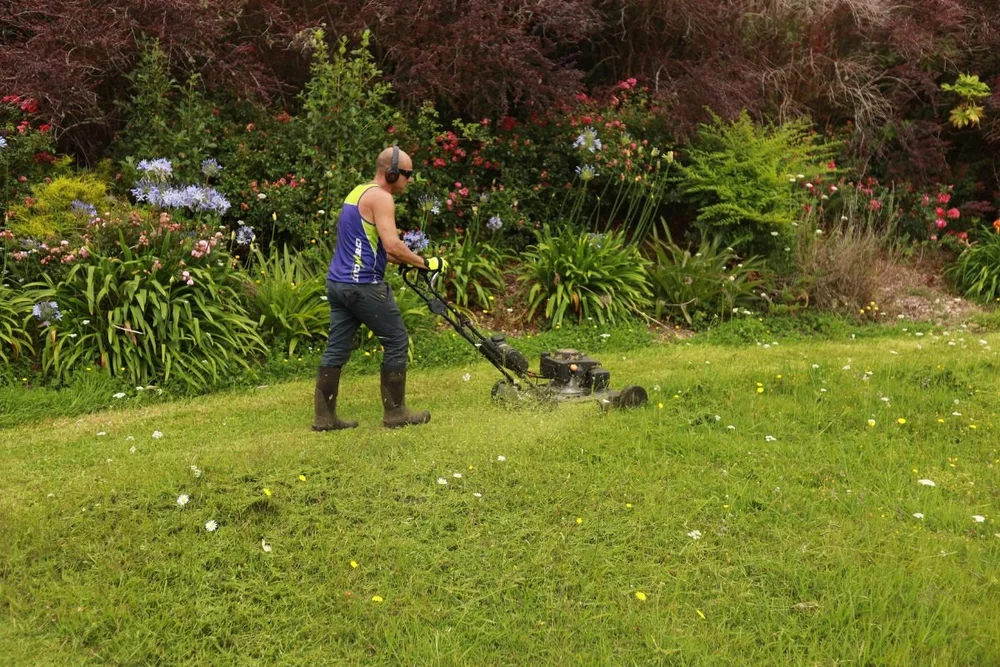
Summer Maintenancerequires watering lawns early in the morning. Mow regularly but never remove more than one-third of the grass height. Leave grass clippings on the lawn to return nutrients. Avoid mowing when grass is wet to prevent disease.
Fall Cleanupmeans raking fallen leaves to stop mold growth. Lower mower height gradually to prepare grass for winter. Overseed bare patches to help lawn fill in. Apply a slow-release fertilizer to strengthen roots before cold weather.
Credit: www.crewcut.co.nz
Frequently Asked Questions
What Is Sustainable Mowing And Why Is It Important?
Sustainable mowing means using eco-friendly methods to maintain lawns. It conserves energy, reduces waste, and protects soil health. This practice supports biodiversity and lowers pollution, making it essential for environmental care and a healthy garden.
How Often Should I Mow For Sustainability?
Mow your lawn once a week during peak growing season. Avoid cutting more than one-third of the grass height. This promotes healthy growth, reduces stress on grass, and helps maintain soil moisture and nutrient balance.
What Mower Type Is Best For Sustainable Mowing?
Use electric or manual reel mowers for sustainability. They produce less pollution and noise compared to gas mowers. These options save energy and protect the environment while effectively maintaining your lawn.
How Can I Reduce Grass Clippings Waste Sustainably?
Leave grass clippings on the lawn to decompose naturally. This practice, called grasscycling, returns nutrients to the soil and reduces landfill waste. It promotes a healthier lawn and decreases the need for chemical fertilizers.
Conclusion
Sustainable mowing helps keep your lawn and environment healthy. Mow less often and raise your mower blade height. This saves water and supports grass growth. Use sharp blades to cut cleanly and avoid damage. Leave grass clippings on the lawn for natural fertilizer.
Choose electric or manual mowers to reduce pollution. Small actions make a big difference over time. Care for your lawn while protecting nature. Simple steps create a greener, safer space for everyone.





