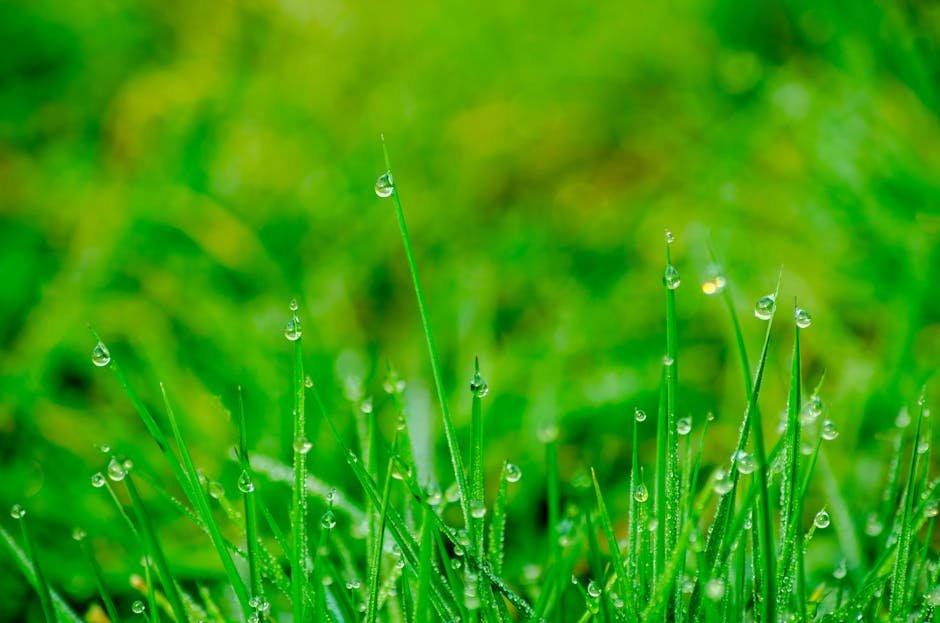
Has your lawn turned into a soggy mess after the summer rain? You might be wondering how to mow it without damaging the grass or making a bigger mess.
Mowing wet grass can be tricky, but with the right tips, you can keep your lawn healthy and looking great. You’ll discover simple, effective steps to mow your lawn safely after rain. Keep reading to learn how to protect your grass and make your yard the envy of the neighborhood!
:max_bytes(150000):strip_icc()/water-before-or-after-mowing-GettyImages-996100650-6d8a91f677784b5185d629ff70a83d0b.jpg)
Credit: www.realsimple.com
Timing Your Mow
Wait until the grass is drybefore mowing. Wet grass can cause clumps and uneven cuts. It also clogs the mower blades and can harm the lawn.
Choose a day with dry weatherand low wind. This helps the grass dry faster and makes mowing easier. Avoid mowing right after rain or during heavy dew.
- Check the soil; it should be firm, not muddy.
- Wait for the sun to dry the grass surface.
- Mowing in dry conditions helps keep your lawn healthy.

Credit: m.youtube.com
Preparing Your Equipment
Sharp blades cut grass cleanly and protect your lawn’s health. Dull blades tear grass, causing stress and brown tips. Check your mower blades for nicks or dull spots. Sharpen blades with a file or take them to a professional. Always wear gloves for safety.
Cleaning the mower ensures smooth operation. Remove grass clippings and dirt from the deck and blades. Use a brush or cloth to wipe off stuck debris. A clean mower cuts better and lasts longer. Check the air filter and oil level before mowing.
Adjusting Mowing Techniques
Raising the cutting height protects wet grass from damage. It helps grass dry faster and stay healthy. Cutting too short can stress the lawn and cause bare spots.
Mowing slowly is important after rain. Wet grass blades can clog the mower if cut too fast. Move carefully to avoid slipping and uneven cuts.
- Set mower blade higher than usual.
- Take gentle, slow passes over the lawn.
- Check mower blades for clumps often.
- Use a sharp blade for cleaner cuts.
- Wait for the grass to dry a bit before mowing again.
Handling Wet Grass Challenges
Mowing wet grass requires patience to avoid damaging the lawn or mower. Wait until the grass dries slightly, then use a higher mower setting for better results. Cutting in dry conditions helps keep your lawn healthy and neat.
Wet grass can cause clumps in your lawn mower. These clumps can clog the mower. To prevent this, mow slowly and carefully. Keep the mower blades sharp and clean. This helps cut the grass evenly. Raise the mower height to avoid cutting too low. Wet grass tends to stick together. Empty the grass catcher more often. This prevents overloading and reduces the risk of clogging. Make sure the grass is not too wet. If the grass is too wet, wait for it to dry a bit. Wet surfaces can be slippery and dangerous. Wear shoes with a good grip. Walk slowly and carefully. Avoid mowing on steep slopes when wet. This can be very risky. Use a mower with good traction to reduce slipping. Keep your hands on the mower handle firmly. Make sure your path is clear. Remove any obstacles before mowing. Always be careful and alert when mowing a wet lawn. `Post-mowing Lawn Care
After mowing, rake the lawn to remove excess clippings. This helps grass breathe and prevents mold growth. Leaving clippings can block sunlight and trap moisture.
Aeration helps the soil absorb water and nutrients better. Use a garden fork or aerator tool to make small holes in compacted soil. This step is important if the soil feels hard or soggy after rain.
- Rake gently to avoid damaging grass.
- Collect and compost clippings for garden use.
- Aerate only if soil is compacted or waterlogged.
- Water the lawn lightly after aeration to aid recovery.
Preventing Lawn Damage
Signs of stresson your lawn include yellowing grass, wilting, and patchy spots. The grass may look dull or feel soft underfoot. Watch for soggy areas where water pools, as these spots can damage roots. Muddy soil is another sign that the ground is too wet. These signs mean the lawn needs care before mowing.
Proper wateringafter rain means waiting until the soil dries a bit. Avoid watering if the grass is still wet. Too much water after rain can cause root rot and disease. Water deeply but less often to help roots grow strong. Use a sprinkler to water evenly and gently.

Credit: www.yahoo.com
Frequently Asked Questions
When Is The Best Time To Mow After Summer Rain?
The best time to mow is when the grass is dry. Wait at least 24 hours after rain. Wet grass can clog your mower and cause uneven cuts.
How Does Wet Grass Affect Mowing Quality?
Wet grass clumps and sticks to mower blades. This causes uneven cutting and damages your lawn. Mowing wet grass also increases soil compaction and risks turf damage.
Should I Adjust Mower Height After Summer Rain?
Yes, raise your mower height slightly after rain. Taller grass blades protect roots and reduce stress. Avoid cutting more than one-third of the grass height at once.
Can Mowing After Rain Damage My Lawn?
Mowing wet grass can damage your lawn by tearing blades. It also compacts soil, harming root growth. Always wait until the lawn is dry for best results.
Conclusion
Mowing your lawn after rain needs care and patience. Wet grass can clog your mower and damage the lawn. Wait for the grass to dry a bit before cutting. Use a sharp blade to get a clean cut. Mow slowly and avoid cutting too short.
This keeps your lawn healthy and green. Regular care helps your grass grow strong. Remember, a well-mowed lawn looks neat and feels great. Take your time, and enjoy your beautiful yard.





