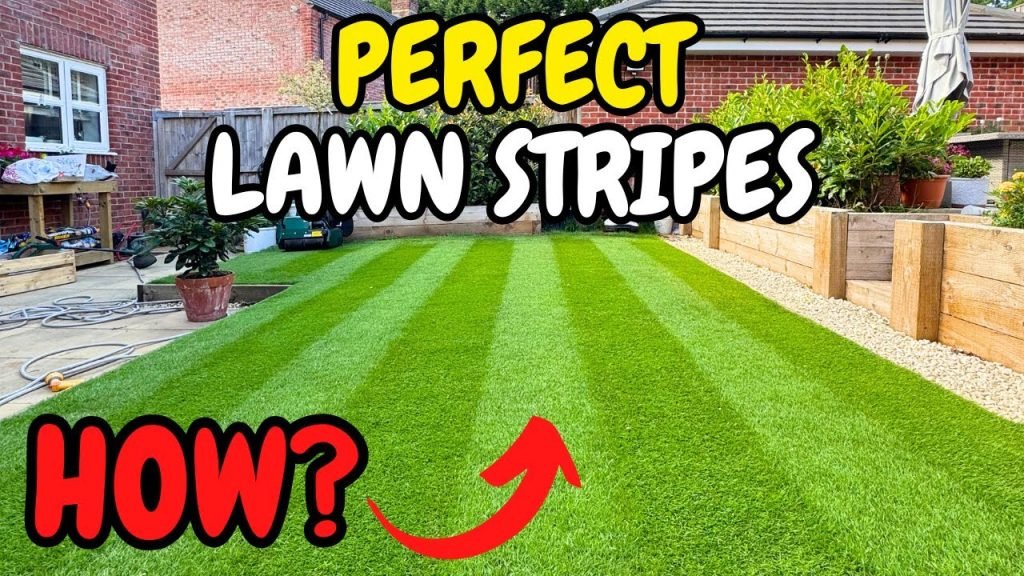
Want to give your lawn a fresh, professional look that turns heads? Learning how to stripe your lawn with ryegrass is easier than you think—and it makes a huge difference.
Stripes add depth, style, and a neat, manicured feel to your yard. If you’ve ever admired those perfectly striped golf courses or sports fields, you can achieve that same effect right at home. This guide will show you simple steps to create stunning stripes on your ryegrass lawn that will make your outdoor space stand out.
Ready to transform your lawn into a masterpiece? Keep reading to discover how.
Choosing The Right Ryegrass
Ryegrassis a great choice for creating striped lawns. It grows fast and stays green for a long time. There are two main types:
- Perennial Ryegrass:Lasts many years and handles wear well.
- Annual Ryegrass:Grows quickly but lasts one season.
Choose based on how long you want your stripes to last and how much foot traffic your lawn gets.
| Type of Ryegrass | Seeding Rate (lbs per 1000 sq ft) | Best Planting Time |
|---|---|---|
| Perennial Ryegrass | 5 to 10 | Early Fall or Spring |
| Annual Ryegrass | 5 to 8 | Spring or Late Summer |
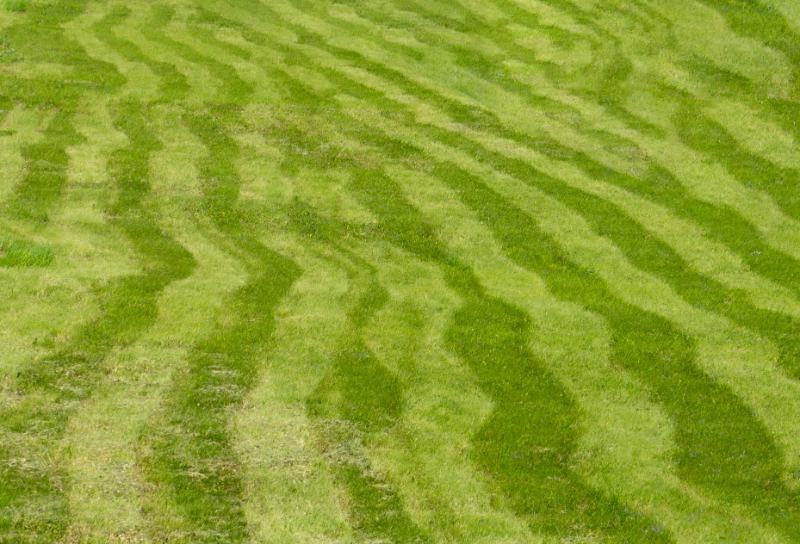
Plant ryegrass seeds evenly and water gently for best results. Stripes look sharp when blades bend in opposite directions.
Credit: www.lawnstarter.com
Preparing Your Lawn
Testing the soil is importantbefore planting ryegrass. It shows the soil’s pH and nutrients. Ryegrass grows best in soil with a pH between 6.0 and 7.0. Adding lime or sulfur can fix pH problems. Fertilizers add needed nutrients like nitrogen, phosphorus, and potassium.
Mow the lawn short before seeding. This helps ryegrass seeds reach the soil. Clear away leaves, sticks, and debris. A clean surface helps seeds grow better. Raking the lawn lightly can also loosen the soil, making it easier for seeds to take root.
Planting Ryegrass For Stripes
Planting ryegrass helps create clear, green stripeson the lawn. Spread the seed evenly using a seed spreader. Choose a pattern for stripes, like straight linesor checkerboard. Seed should cover the soil but not be too thick. Ryegrass grows fast and adds bright green colorto the lawn.
Seed Application Techniques
- Use a broadcast spreaderfor wide coverage.
- Apply seed in thin layersto avoid clumps.
- Lightly rake the soil after spreading seed.
- Roll the lawn to press seed into soil.
Watering And Fertilizing
Water the lawn right after planting to keep soil moist. Use a fine sprayto avoid washing seeds away. Water daily for the first two weeks. Fertilize with a balanced fertilizerto help ryegrass grow strong. Avoid heavy fertilizer that can burn young plants.
Credit: www.lawnstarter.com
Mowing Strategies For Stripes
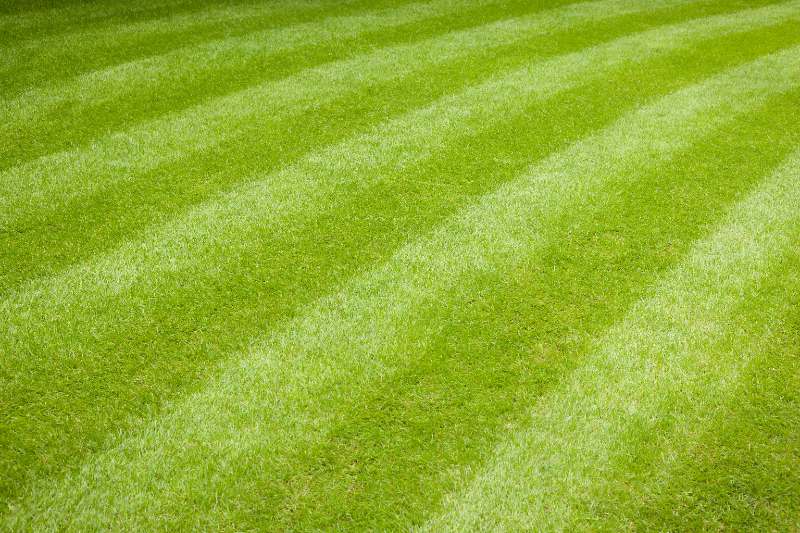
Create lawn stripes by mowing ryegrass in alternating directions. Use a sharp mower blade and mow at a consistent height. Rolling the grass blades in opposite ways makes stripes appear clearly.
Mower Types And Settings
Using the right mowermakes a big difference. A reel mower is best for stripes. It cuts evenlyand neat. A rotary mower works too. Set the blade height to 2.5 to 3 inches. This height helps create clearstripes. Always keep the blades sharpfor clean cuts. Dull blades tear the grass. This makes the lawn look messy.
Creating Stripe Patterns
Stripes need a special touch. Mow in straight lines for perfect stripes. Overlap each pass slightly. This keeps lines straightand neat. Turn around carefully at the end. Try not to leave marks. Use a lawn roller for bold stripes. It presses grass down. The light reflects differently, making stripes pop. Practice helps you get better stripes. Have fun and enjoy your striped lawn!
Maintaining Vibrant Stripes
Keeping your ryegrass stripes clear needs regular watering. Water early in the morning to avoid disease. Make sure the soil stays moistbut not soaked. Use a sprinkler that covers the lawn evenly.
Watch out for weeds and peststhat can spoil your stripes. Pull weeds by hand or use a safe herbicide. Check grass for bugs like grubs or chinch bugs. Use natural pest control or insecticides as needed.
Troubleshooting Common Issues
Stripe fading and patchinessoften happen due to uneven grass growth or mower issues. Check the mower blades for sharpness. Dull blades can tear the grass, making stripes look dull. Mow when the grass is dry to get clean lines. Uneven watering leads to patchy grass; water your lawn deeply but less often. Avoid mowing too short. Short grass stresses ryegrass and causes fading. Aerate compacted soil to help roots grow strong and even.
Ryegrass disease managementis key to keeping your lawn healthy. Watch for signs like yellow spots or slimy patches. Common diseases include rust and leaf spot. Use fungicides only if needed and follow label instructions carefully. Remove dead grass to reduce disease spread. Keep good airflow by not overcrowding plants. Water early in the day so grass dries quickly. Healthy ryegrass resists disease better.

Credit: www.youtube.com
Frequently Asked Questions
How Do You Stripe A Lawn With Ryegrass?
To stripe a lawn with ryegrass, mow in alternating directions. Use a roller or striping kit to bend grass blades. This creates light and dark patterns, enhancing the lawn’s appearance.
When Is The Best Time To Plant Ryegrass For Striping?
Plant ryegrass in early fall or spring. These seasons provide ideal temperatures for seed germination and growth. This ensures a dense, healthy lawn suitable for striping.
What Mower Settings Work Best For Ryegrass Striping?
Set mower blades at 2 to 3 inches for ryegrass striping. Keep blades sharp for clean cuts. Adjust speed to avoid scalping or uneven stripes.
Can Ryegrass Lawn Striping Improve Lawn Health?
Yes, striping promotes even grass growth and reduces soil compaction. It encourages healthy turf by alternating mowing directions. This enhances lawn vitality and appearance.
Conclusion
Striping your lawn with ryegrass creates a neat, striped look easily. Use a sharp mower and mow in straight lines for best results. Water and fertilize regularly to keep the grass healthy and green. Patience matters; stripes become clearer as grass grows.
Enjoy your beautiful lawn that stands out in your neighborhood. Simple steps lead to a lawn that looks professional and cared for. Try it this season and see the difference yourself.





