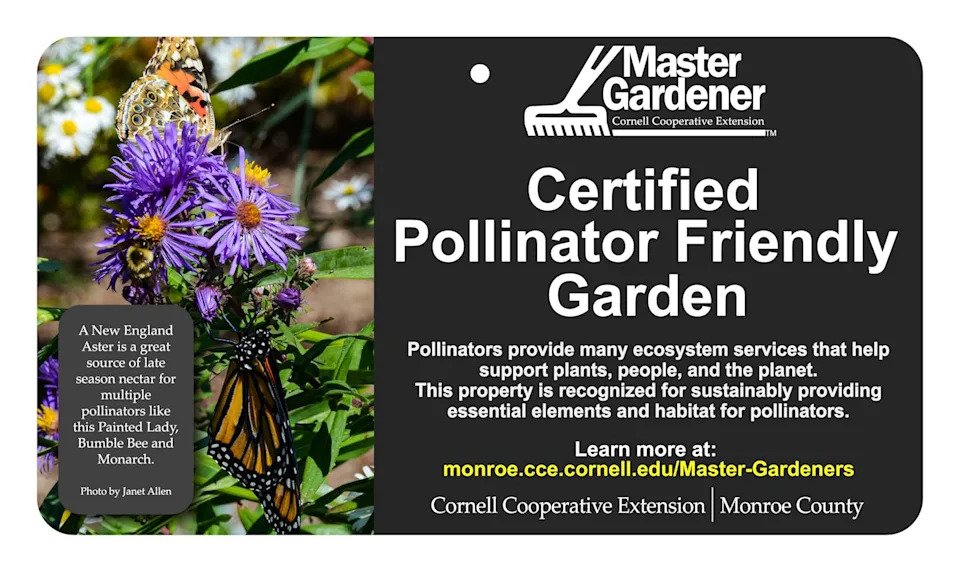
Your lawn can be more than just a green patch of grass—it can become a vibrant space that supports pollinators like bees and butterflies. But how do you mow your lawn without harming these tiny helpers?
The answer is simpler than you might think. You’ll discover easy mowing tips that keep your yard looking neat while creating a safe haven for pollinators. By making a few small changes, you can boost your garden’s health and help protect the insects that play a crucial role in our ecosystem.
Ready to transform your lawn into a pollinator-friendly paradise? Let’s dive in.
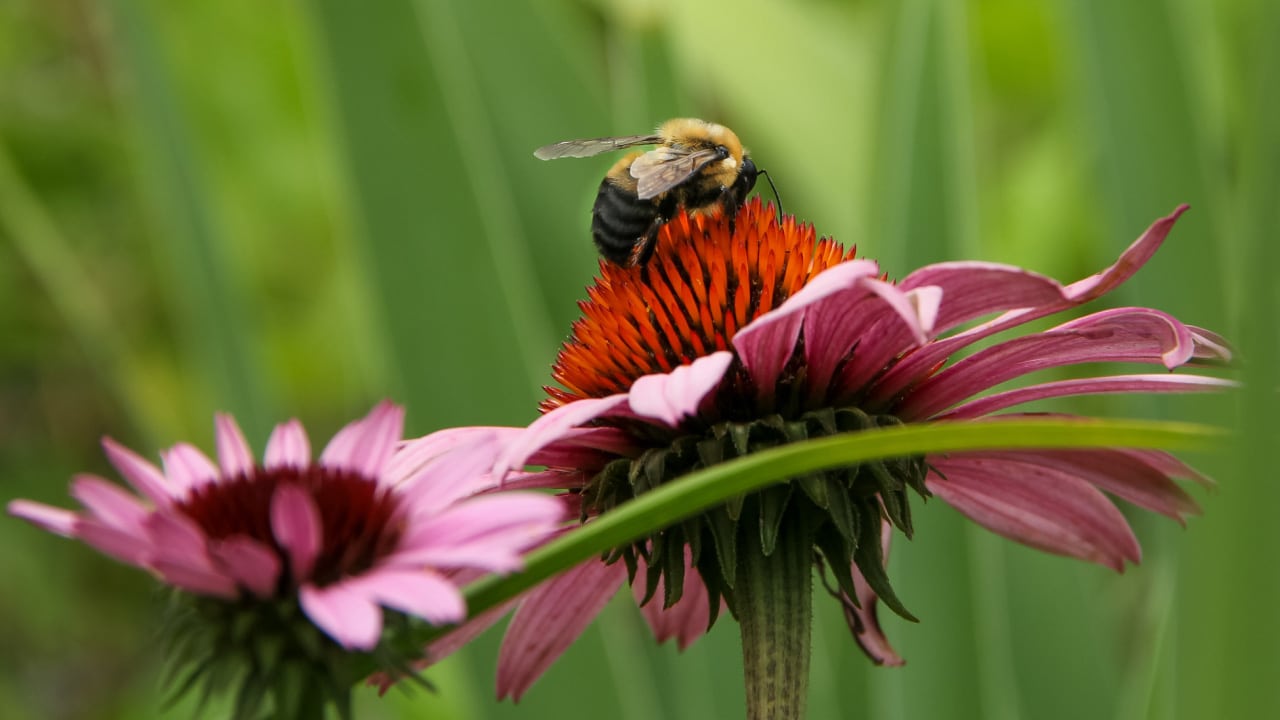
Credit: scottslawncare.net
Choosing The Right Mower
Electric and manual mowersare great choices for a healthy lawn and happy pollinators. Electric mowers run quietly, causing less noise that can scare away bees and butterflies. They also do not emit harmful gases, keeping the air clean for all living things.
Manual mowers, like push reel mowers, make almost no noise and use no fuel. This helps protect small animals and insects in your garden. Both mower types keep the lawn neat without disturbing the natural environment too much.
Quiet mowinghelps wildlife feel safe. Loud machines can chase away pollinators and birds. Using low-noise mowers supports the health of your garden’s tiny helpers.
Best Mowing Practices
Keep grass height between 2.5 to 3.5 inchesto protect pollinators. This height helps flowers and insects thrive. Cutting grass too short can harm tiny bugs and bees.
Mow less often in spring and summer to let flowers bloom. A good rule is to cut only one-third of grass heightat a time. This keeps the lawn healthy and helps insects survive.
Leave grass clippings on the lawn. They break down and give nutrients to the soil. Clippings also provide shelter for small insects that pollinate plants.
Creating Pollinator-friendly Zones
Designating no-mow areasprovides safe spaces for pollinators like bees and butterflies. These zones allow wild plants and flowers to grow freely. Less mowing means more nectar and pollen for insects. It also helps create natural habitats for beneficial bugs.
Planting native flowerssupports local pollinator species. Native plants need less water and care. They bloom at the right times for pollinators to find food. Choose a mix of colors and shapes to attract different insects.
Encouraging wildflowersadds beauty and food sources to your lawn. Wildflowers grow well in no-mow zones and edges. They provide nectar, pollen, and shelter. This simple step helps maintain a healthy ecosystem in your yard.
Timing Mowing To Help Pollinators
Mowing the lawn at the right time helps protect pollinators. Avoid cutting grass during peak pollinator activitytimes, usually mid-morning to early afternoon. This allows bees and butterflies to gather nectar safely.
Seasonal changes also affect mowing schedules. In spring, mow less often to let wildflowers bloom. During summer, mow higher to keep the soil moist and flowers alive. In fall, reduce mowing to help pollinators find food before winter.
- Cut grass early morning or late afternoon
- Leave some areas unmowed for flowers
- Adjust mower height by season
- Protect nesting sites by mowing carefully
Using Eco-friendly Lawn Care Products
Choosing eco-friendly lawn care products helps protect bees and butterflies while keeping your grass healthy. These natural options reduce harmful chemicals, supporting pollinators and the environment. Mowing carefully also creates safe spaces for these important insects to thrive.
Choosing Natural Fertilizers
Natural fertilizers help grass and plants grow strong. They are safe for the earth. Ingredients like bone meal, compost, and fish emulsion are common. These fertilizers add important nutrients to the soil. They improve soil health without causing harm. Healthy soil helps plants grow better and stronger.
Avoiding Harmful Pesticides
Pesticides can harm bees and butterflies. They are not safe for the environment. Instead, use natural solutions. Soap sprays can keep bugs away. Neem oil also works well. These options are safe and effective. They protect your lawn and the pollinators too. Keeping the environment safe is important.

Credit: www.canr.msu.edu
Additional Habitat Support
Bee hotelsgive safe spaces for solitary bees to live and lay eggs. They are simple to install in your garden or lawn area. Use small wooden blocks with holes or bundles of hollow stems. Place them in a sunny spot, away from strong winds and rain. These shelters help boost pollinator numbersnear your lawn.
Water is vital for bees and other pollinators. A shallow dish with clean water and small stones or twigs lets insects drink safely. Change the water often to keep it fresh. Avoid deep containers, as bees can drown easily.
- Use natural materials for bee hotels to mimic nature.
- Place water sources near flowers for easy access.
- Keep bee hotels dry and protected from rain.
- Refill water daily during hot weather.
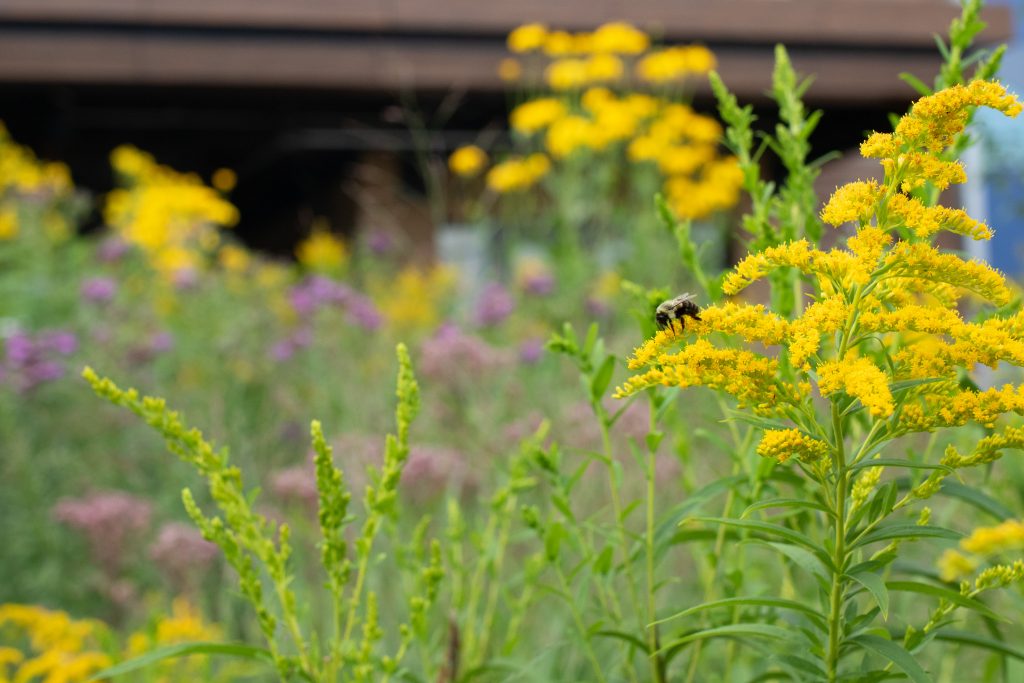
Credit: sites.tufts.edu
Frequently Asked Questions
How Often Should I Mow My Lawn To Support Pollinators?
Mow your lawn every 1-2 weeks during growing season. Avoid mowing flowering plants to protect pollinators. This balance supports healthy grass and provides habitat.
What Grass Height Is Best For Pollinator Health?
Maintain grass height around 3-4 inches. Taller grass shelters pollinators and flowers better. It also reduces heat stress and conserves moisture.
Can I Leave Some Wildflowers When Mowing?
Yes, leaving patches of wildflowers encourages pollinators. Designate unmowed zones to provide food and nesting sites. This practice boosts biodiversity in your lawn.
Should I Avoid Mowing During Pollinator Active Hours?
Mow early morning or late evening to avoid harming pollinators. Pollinators are most active midday. Timing mowing reduces risk to bees and butterflies.
Conclusion
Mowing your lawn with care helps pollinators thrive nearby. Keep grass a bit taller to protect flowers and insects. Avoid cutting all plants at once to give bees food. Use sharp mower blades for clean cuts and less harm. Let some wildflowers grow to support butterflies and bees.
Your lawn can be green and friendly to nature. Small changes make a big difference for pollinators’ health. Enjoy a beautiful yard that also helps the environment.





