
Your lawn is waking up from winter, and late spring is the perfect time to give it the care it needs. But how do you mow your lawn the right way now?
Mowing at this stage is not just about cutting grass; it’s about helping your lawn stay healthy, green, and strong all summer long. If you want to avoid common mistakes and get the best results, you need simple, clear steps that anyone can follow.
Keep reading, and you’ll discover exactly how to mow your lawn in late spring like a pro—making your yard the envy of the neighborhood.
Credit: www.lovethegarden.com
Preparing Your Lawn Mower
Check the blade sharpness to ensure a clean cut. Dull blades tear grass, causing damage and uneven growth. Sharpen the blade or replace it if needed. This keeps your lawn healthy and neat.
Adjust the mower height based on grass type and weather. Set the blade higher for late spring to protect roots. Cutting too short can stress the grass and cause brown spots.
| Fuel and Maintenance Tips | Details |
|---|---|
| Fuel | Use fresh gasoline to avoid engine problems. Old fuel can clog the system. |
| Oil | Check and change the oil regularly to keep the engine running smoothly. |
| Air Filter | Clean or replace the air filter for better engine performance. |
| General Check | Tighten loose bolts and clean debris from the mower before use. |
Ideal Mowing Conditions
Mowing in late spring is best done during the cooler parts of the day. Early morning or late afternoon works well. This helps avoid heat stress on the grass.
Check the weather forecastbefore mowing. Avoid cutting the lawn when it is wet or just after rain. Wet grass can clog the mower and cause uneven cuts.
Too much heat or strong sun can stress the lawn. Try not to mow during the hottest hours. Also, avoid mowing if the grass looks dry or tired.
- Choose early morning or late afternoon for mowing
- Never mow on wet grass
- Avoid mowing in strong sunlight
- Stop mowing if the grass shows signs of stress
Mowing Techniques For Late Spring
Set the cutting heightto keep grass healthy. For late spring, raise the mower blade to about 3 inches. Taller grass holds more moisture and grows stronger roots.
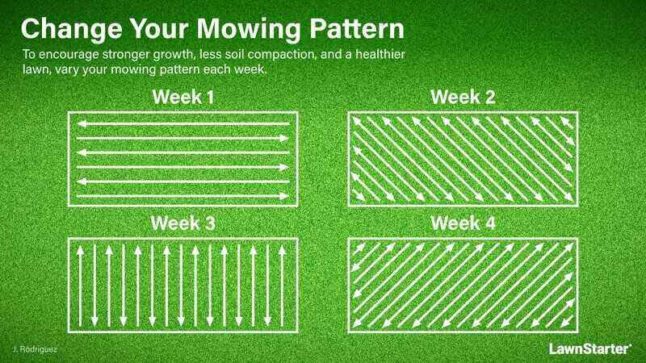
Change the mowing patterneach time you mow. Mow in straight lines, then next time mow across them. This helps prevent soil compaction and keeps the lawn even.
- Mow more often during fast growth.
- Usually, mow every 5 to 7 days.
- Avoid cutting more than one-third of the grass height at once.

Credit: www.searshomeservices.com
Dealing With Common Lawn Issues
Mowing the lawn in late spring helps control weeds and promotes healthy grass growth. Keep mower blades sharp and cut grass to a medium height for best results. Regular mowing prevents common lawn problems like patchiness and overgrowth.
Handling Weeds During Mowing
Weeds make lawns look messy. They take away nutrients from grass. Use a lawn mower with a sharp blade. It helps cut weeds cleanly. Set the mower height higher. This keeps grass strong and weeds weak. Remove big weeds by hand before mowing.
Addressing Uneven Growth
Some grass grows faster than others. This makes lawns look uneven. Mow more often to keep it level. Cut only one-third of the grass height each time. This helps all grass grow evenly. Change mowing direction each time. It keeps the lawn healthy.
Managing Thatch Buildup
Thatch is dead grass stuck on the lawn. Too much thatch stops water and air. Use a rake to remove excess thatch. Do this once a year. It helps grass breathe and grow better. Keep the lawn healthy and clean.
Post-mowing Care
Water the lawn deeply but less often after mowing. This helps roots grow strong. Early morning watering is best to avoid evaporation. Avoid watering right after mowing to prevent stress on grass.
Use a balanced fertilizer to feed your lawn. Fertilizer with nitrogen helps grass grow green and thick. Apply fertilizer evenly and follow the instructions on the package. Over-fertilizing can harm your lawn.
Clean your mower after each use to keep it working well. Remove grass clippings and dirt from the blades and deck. Check the oil and air filter regularly. Store the mower in a dry place to prevent rust.
Credit: www.lawnstarter.com
Frequently Asked Questions
How Often Should I Mow My Lawn In Late Spring?
Mow your lawn once a week in late spring. This frequency supports healthy grass growth and prevents overgrowth. Adjust mowing based on weather and grass type for best results.
What Is The Ideal Mowing Height For Late Spring?
Set your mower blade to 2. 5 to 3 inches in late spring. This height promotes strong roots and reduces weed growth. Avoid cutting more than one-third of the grass blade at once.
Should I Mow Wet Or Dry Grass In Late Spring?
Always mow dry grass in late spring. Wet grass can clog your mower and cause uneven cuts. Wait until the lawn dries completely for a clean and safe mowing session.
How Can I Prepare My Mower For Late Spring Mowing?
Before mowing in late spring, sharpen mower blades and check oil levels. Clean the deck to avoid grass buildup. Proper maintenance ensures efficient cutting and a healthier lawn.
Conclusion
Mowing your lawn in late spring keeps grass healthy and neat. Cut regularly, but not too short to protect roots. Use sharp blades to avoid tearing the grass. Water your lawn after mowing to keep it green. Watch for weeds and remove them quickly.
A well-kept lawn makes your yard look fresh and inviting. Small efforts now bring big rewards later. Take your time and enjoy the process. Your lawn will thank you with a beautiful, lush look.





