
Are you ready to transform your lawn care routine and make a positive impact on the environment? Mowing your lawn sustainably is easier than you think, and it can save you time, money, and effort.
Imagine a lush, healthy lawn that supports local wildlife and reduces pollution—all while you enjoy your outdoor space guilt-free. You’ll discover simple, practical steps to mow your lawn in a way that benefits both you and the planet. Keep reading to unlock the secrets of sustainable lawn care that anyone can follow.

Credit: www.greencitytimes.com
Benefits Of Sustainable Lawn Mowing
Sustainable lawn mowinghelps protect the environment by reducing pollution. Using electric or manual mowers cuts down on harmful fumes. It also lowers noise pollution, making your yard peaceful.
Cost savings come from using less fuel and electricity. A healthy lawn needs fewer chemicals and less water. This means spending less money on lawn care products and services.
Healthier grass grows stronger and resists weeds better. Cutting grass at the right height helps it stay green. Mulching clippings back into the lawn adds natural nutrients, promoting growth.
Choosing Eco-friendly Mowing Equipment
Electric mowersrun on batteries and produce less noise. They do not emit harmful gases. Ideal for small to medium yards. Require charging but are easy to maintain.
Gas mowersare powerful but pollute the air. They need fuel and regular upkeep. Best for large lawns but less eco-friendly.
| Type | Power Source | Noise Level | Environmental Impact | Best Use |
|---|---|---|---|---|
| Electric Mower | Battery | Low | Low Emissions | Small to Medium Lawns |
| Gas Mower | Gasoline | High | High Emissions | Large Lawns |
| Manual Reel Mower | Human Power | Silent | No Emissions | Small Lawns |
| Solar-Powered Mower | Solar Energy | Low | Zero Emissions | Small to Medium Lawns |
Manual reel mowersuse no fuel or electricity. They are quiet and good exercise. Perfect for small lawns.
Solar-powered mowerscharge using sunlight. They are clean and quiet. Suitable for eco-friendly lawn care.
Optimal Mowing Techniques
Set the cutting height to 2.5 to 3 inches for most grass types. This height helps the grass retain moisture and grow strong roots. Avoid cutting too short; it can stress the lawn and cause weeds.
Mow often enough to cut no more than one-third of the grass blade at a time. This keeps the lawn healthy and prevents damage. During fast growth, mowing twice a week may be needed.
Keep mower blades sharp for clean cuts. Dull blades tear grass, making it weak and brown. Check blades regularly and sharpen them at least once a season.
Grasscycling And Mulching
Leaving grass clippings on your lawn is very helpful. Clippings return nutrients to the soil. This helps grass grow strong and green. It also saves time since you don’t have to bag clippings. Clippings act like a natural fertilizer, reducing the need for extra products. Your lawn will be healthier and more beautiful.
Mulching mowers cut grass into small pieces. These small pieces decompose quickly. This feeds your lawn naturally. Mulching mowers save you time and effort. You don’t have to collect and dispose of clippings. Mulching keeps your yard clean and tidy. It also helps the environment by reducing waste.
Grass clippings can be added to a compost pile. This turns waste into rich soil. Composting helps reduce landfill waste. It improves soil quality for your garden. Composting is simple and easy to start. It is a great way to recycle lawn waste. Your garden will love the added nutrients.
Water Conservation Tips
Best times to wateryour lawn are early morning or late evening. This helps reduce water loss from evaporation. Avoid watering during the hottest part of the day. Watering in the morning lets grass dry before night, lowering disease risk.
Rainwater harvestingcollects rain from rooftops into barrels or tanks. This water can then be used for your lawn. It saves tap water and helps during dry spells. Simple rain barrels cost little and reduce water bills.
| Drought-Tolerant Grass Types | Key Features |
|---|---|
| Bermuda Grass | Needs little water, grows well in heat |
| Zoysia Grass | Resists drought, stays green longer |
| Buffalo Grass | Requires minimal watering, low maintenance |

Credit: medium.com
Natural Lawn Fertilizers
Organic compostis a natural way to feed your lawn. It improves soil healthand helps grass grow strong. Compost adds nutrientsand keeps moisture in the soil. It also reduces the need for water and chemicals. Spread a thin layer of compost over the lawn in spring or fall for best results.
Homemade fertilizerscan be made using kitchen scraps and garden waste. Mix banana peels, eggshells, and grass clippingsto create a rich fertilizer. Steep these in water for a few days and use the liquid to water your lawn. This method is cheap and eco-friendly.
- Avoid chemical fertilizersto protect the environment and your health.
- Chemicals can harm beneficial insectsand soil life.
- Use natural options to keep your lawn safe and green.
Promoting Biodiversity In Lawns
Planting native specieshelps support local insects and birds. These plants need less water and care. They grow well in your area’s soil and climate. This reduces the need for fertilizers and pesticides, which can harm the environment.
Creating wildlife habitatsinvites animals like bees, butterflies, and birds. Leaving small areas with wildflowers and tall grass provides food and shelter. Birdhouses and logs can offer safe places for animals to live.
Reducing lawn size saves water and cuts down on mowing time. Replace parts of the lawn with flower beds, shrubs, or vegetable gardens. This change makes your yard more interesting and better for nature.
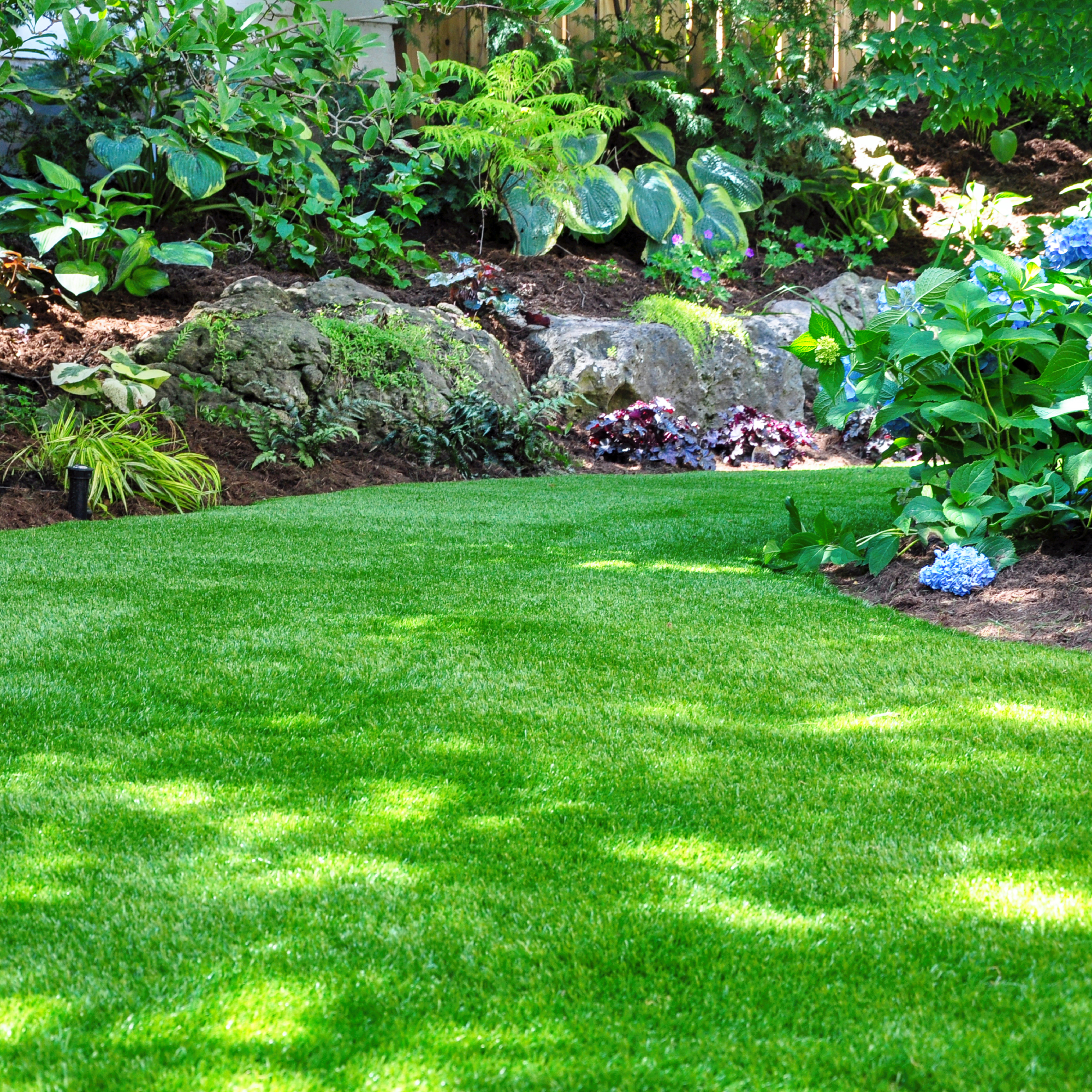
Credit: www.gardeningknowhow.com
Frequently Asked Questions
What Is Sustainable Lawn Mowing?
Sustainable lawn mowing involves eco-friendly practices that reduce pollution and conserve resources. It includes using electric mowers, mowing less frequently, and leaving grass clippings to enrich soil naturally.
How Often Should I Mow My Lawn Sustainably?
Mow your lawn every 1-2 weeks during the growing season. Avoid cutting more than one-third of the grass height to promote healthy growth and reduce stress on the grass.
Can Grass Clippings Improve Lawn Health?
Yes, leaving grass clippings on the lawn recycles nutrients back into the soil. This reduces the need for chemical fertilizers and helps maintain moisture, promoting a greener, healthier lawn.
What Type Of Mower Is Best For Sustainability?
Electric or manual reel mowers are the best choices. They produce zero emissions, use less energy, and are quieter than gas-powered mowers, making them environmentally friendly options.
Conclusion
Mowing your lawn sustainably helps nature and saves energy. Use sharp blades and mow higher for healthier grass. Leave grass clippings to feed the soil naturally. Choose electric or manual mowers to reduce pollution. Water your lawn wisely to keep it green and strong.
Small changes make a big difference over time. Enjoy a beautiful lawn and a cleaner planet. Sustainable mowing is simple and good for everyone. Try these tips and watch your lawn thrive.





