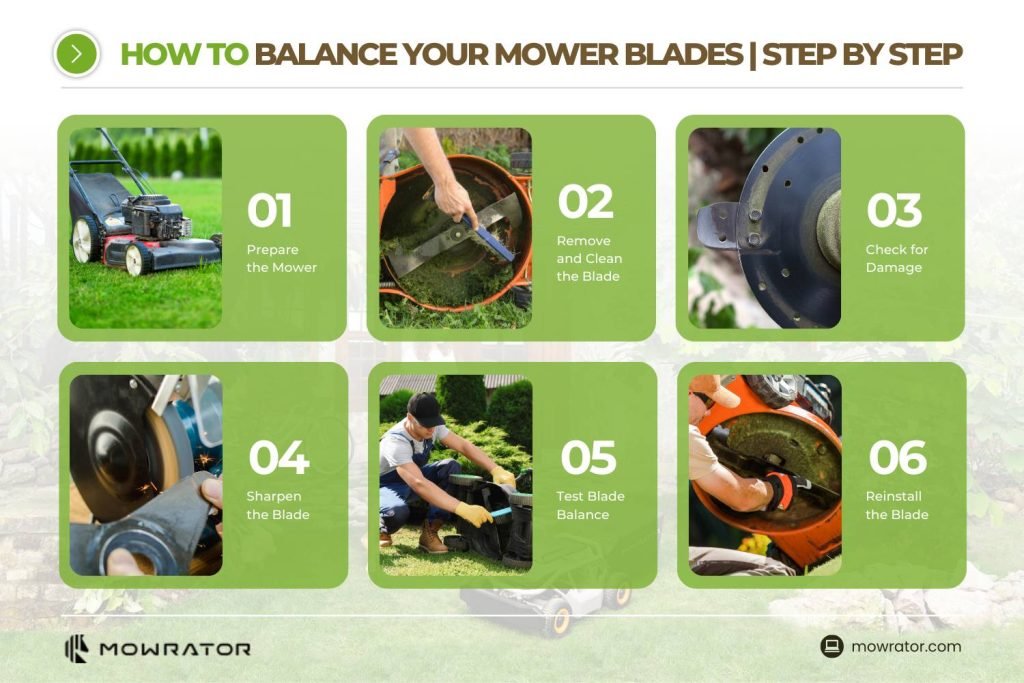
Mower blade injuries can happen in a split second, leaving you with painful wounds and costly medical bills. But what if you could protect yourself every time you mow your lawn?
You’ll discover simple yet powerful tips to keep your hands and feet safe while using your mower. By learning these easy steps, you’ll feel more confident and stay injury-free. Keep reading to find out exactly how to avoid mower blade injuries and enjoy your yard work without worry.

Credit: mowrator.com
Common Causes Of Mower Blade Injuries
Improper handlingof mower blades often leads to serious injuries. Careless use or rushing increases risks. Avoid touching blades while the mower runs. Always turn off the mower before cleaning or fixing it.
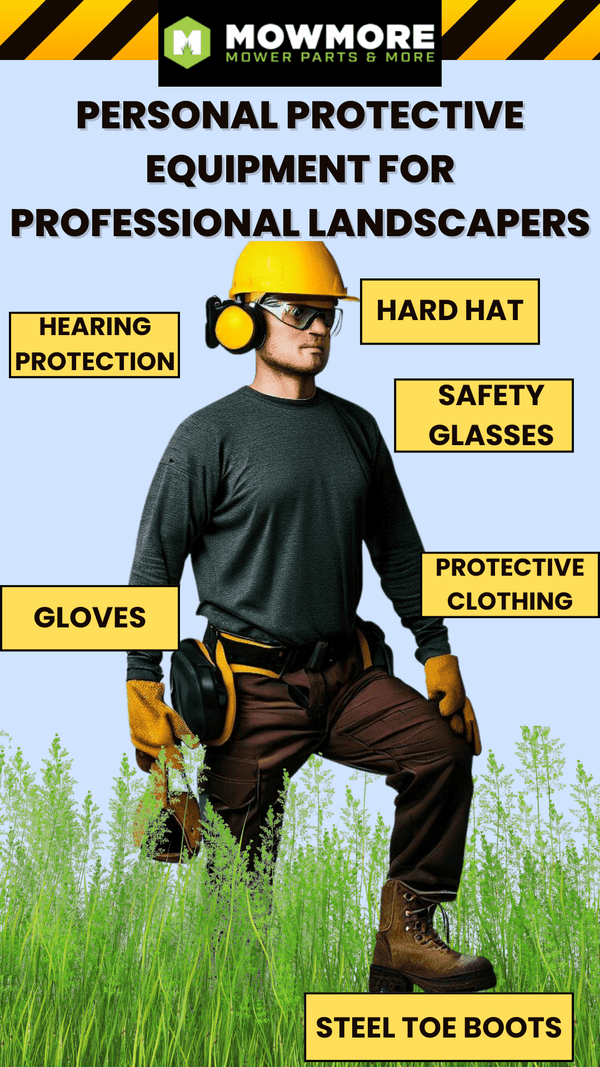
Lack of protective gearputs users at great risk. Wearing sturdy gloves and boots helps protect against cuts. Eye protection prevents debris from causing harm. Safety gear is simple but very effective.
Maintenance neglectcauses blades to become dull or damaged. Dull blades need more force and can slip. Regularly check and sharpen blades to keep them safe. Fix broken parts immediately to avoid accidents.
Unsafe operating conditionssuch as wet grass or uneven ground can cause slips. Avoid mowing on slopes or near rocks. Clear the area of debris before starting. Stay alert and watch your path carefully.
Credit: www.outdoorguide.com
Preparing For Safe Mowing
Check the mower blade for cracks or dullness before use. Tighten loose bolts to avoid accidents. Make sure the blade spins freely without any obstruction. A well-maintained blade cuts grass cleanly and safely.
Wear long pants and sturdy shoes to protect your legs and feet. Avoid loose clothing that can get caught in the mower. Gloves can help protect your hands from sharp edges and debris.
- Remove rocks, sticks, and toys from the lawn.
- Clear pet waste and small objects that can fly up.
- Check for holes or uneven ground to avoid tripping.
Safe Operating Practices
Always check the mower before starting. Make sure the blade area is clear of debris or people. Use the mower’s safety switch or key to start it safely. Stop the blade completely before crossing gravel paths or removing clogs. Turn off the engine and disconnect the spark plug before touching the blade.
Handle slopes with care. Mow across slopes, not up and down, to avoid slipping. Keep your balance by walking slowly and wearing good shoes. Uneven ground can cause the mower to tip. Watch for holes, rocks, or bumps that could cause accidents.
- Stay focused on the mowing task.
- Keep hands and feet away from the blade area.
- Avoid using phones or other distractions while mowing.
- Do not let children or pets near the mower.
Credit: www.mowmore.com
Maintenance Tips To Prevent Injuries
Keep mower blades sharp and clean to reduce the risk of accidents. Always disconnect the power before inspecting or fixing blades. Wear sturdy gloves and use proper tools to handle sharp edges safely.
Regular Blade Inspection
Checking the mower blades often keeps you safe. Look for rust and bends on the blades. These problems make the mower unsafe. If you see any damage, fix it soon. Use a flashlight for a better look. Clean the blades with a soft brush. This helps spot problems early.Proper Blade Replacement
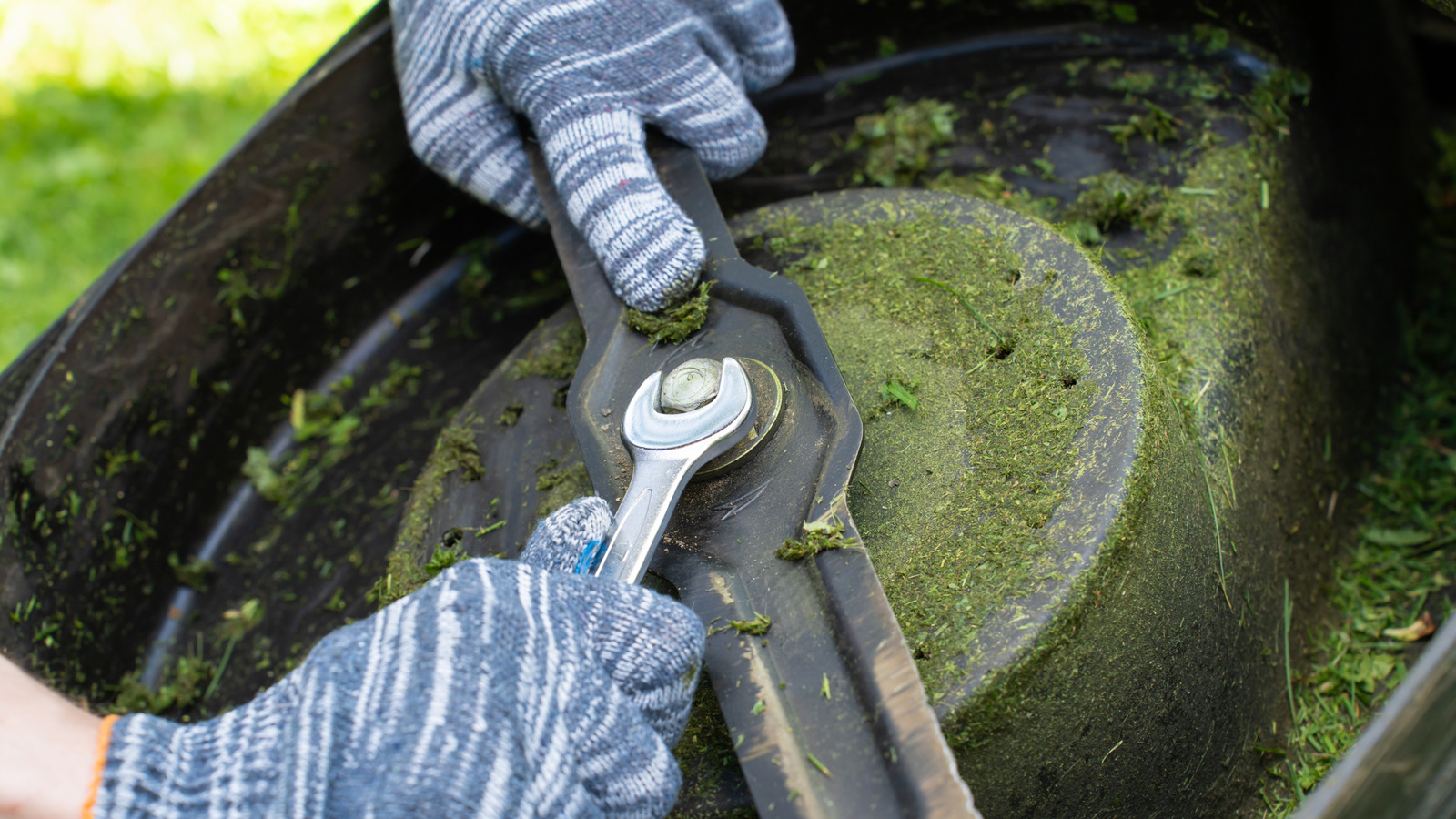
Replace blades that are old or damaged. Use a wrench to remove the bolts. Always wear gloves to protect your hands. Follow the mower’s manual for the right blade size. New blades cut grass better and reduce injury risk. Keep extra blades at home for quick changes.Safe Cleaning Techniques
Turn off the mower before cleaning. Use a stick to remove grass clippings. Never use hands to clear the blades. Keep water away from the engine. Use a damp cloth for cleaning. Dry the mower completely after cleaning. This prevents rust and keeps it working well. `Emergency Response For Blade Injuries
Stop the bleedingby pressing a clean cloth on the wound. Keep pressure steady until bleeding slows down. Clean the injurygently with water to remove dirt. Avoid using harsh chemicals or scrubbing hard.
Cover the cut with a sterile bandage to protect it. Change the bandage if it gets wet or dirty. Watch for signs of infection like redness or swelling.
- Seek medical help if bleeding is heavy or won’t stop.
- If the cut is deep or the blade was rusty, see a doctor.
- Go to a hospital if there are signs of infection.
Keep the wound clean and dry to prevent infection. Use antibiotic ointment if available. Avoid touching the injury with dirty hands.
Additional Safety Devices And Features
Blade guardscover the mower blade to prevent direct contact. They help stop flying debris and reduce injury risk. Most mowers come with these guards installed for safety.
Automatic shutoff mechanismsstop the blade quickly if you release the handle. This feature prevents accidents if you lose control or need to stop suddenly. It adds an extra layer of protection while mowing.
Safety switchesensure the mower runs only when certain parts are in place. For example, some mowers won’t start unless the blade guard is on or the handle is held down. These switches help avoid unintended blade movement.
Frequently Asked Questions
How Can I Prevent Injuries When Using A Mower?
Always wear protective gear like gloves and sturdy shoes. Keep hands and feet away from blades. Turn off the mower before cleaning or adjusting. Follow the manufacturer’s safety instructions strictly to avoid accidents.
What Safety Tips Should I Follow While Mowing?
Inspect the area for stones, sticks, or debris before mowing. Use a mower with safety features like blade guards. Maintain a firm grip and mow in daylight. Never disable safety switches or remove blade covers.
Why Is Blade Maintenance Important For Safety?
Sharp blades cut grass efficiently, reducing the risk of jams. Dull blades cause the mower to work harder, increasing injury chances. Regularly check and replace blades to ensure smooth operation and safer mowing.
When Should I Stop The Mower To Avoid Injuries?
Stop the mower when crossing gravel paths, removing debris, or adjusting blade height. Always switch off the engine and disconnect the spark plug before any maintenance. This prevents accidental blade movement and serious injuries.
Conclusion
Mower blade injuries can cause serious harm. Always stay alert and follow safety steps. Wear strong shoes and gloves while mowing. Keep children and pets far away. Turn off the mower before cleaning or fixing it. Regularly check the blade for damage or wear.
Taking these simple actions helps protect you and others. Stay safe and enjoy your yard work without worry. Safety is in your hands every time you mow.





