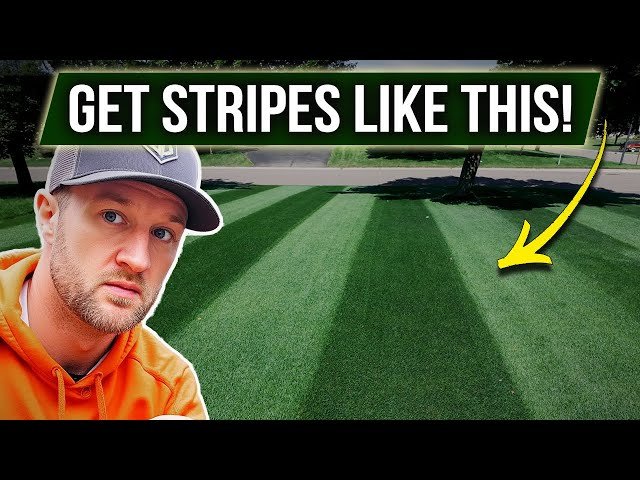
Do you want your lawn to look like it belongs on the cover of a magazine? Stripes on your grass can make your yard stand out and impress everyone who visits.
But how do you get those perfect, professional-looking stripes without spending hours or hiring an expert? You’re about to discover simple, effective techniques that will transform your lawn into a masterpiece. Keep reading, and you’ll learn exactly how to stripe your lawn like a pro—no special tools or experience needed.
Your neighbors won’t believe their eyes!
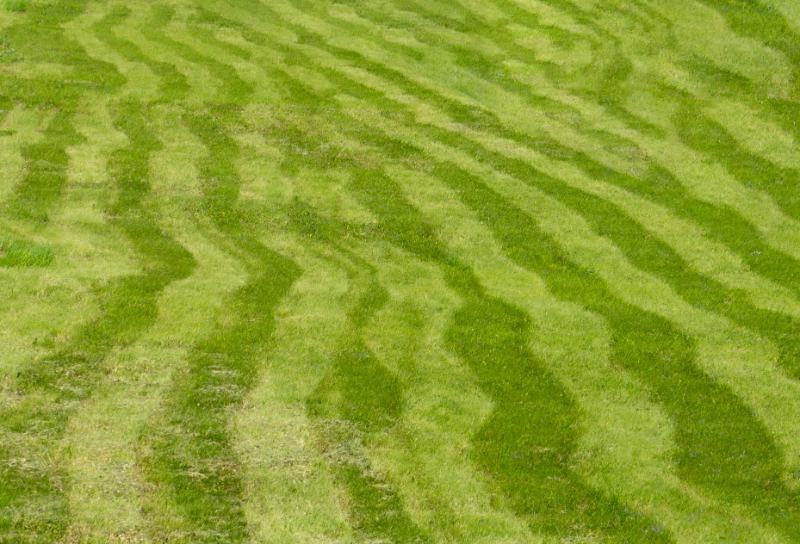
Credit: www.lawnstarter.com
Choosing The Right Equipment
Choosing the right tools helps create clean, sharp stripeson your lawn. Different striping tools work for various lawn sizes and types.
| Type of Lawn Striping Tool | Best For | Notes |
|---|---|---|
| Roller | Small to medium lawns | Bends grass blades to form stripes |
| Striping Kit | Medium to large lawns | Attaches to mower for easier striping |
| Striping Tape | DIY and quick fixes | Simple but less durable |
Lawn mowerswith adjustable height and wide decks work best. They create even cutsthat enhance stripe visibility.
- Choose a mower with smooth wheels to avoid marks.
- Ensure the blades are sharp for clean cuts.
- Consider the mower’s turning radius for better control.
Additional accessoriesimprove the striping effect. These include rollers, brushes, and striping kits.
- Rollers bend grass blades in one direction.
- Brushes lift blades for a different stripe look.
- Striping kits make large lawns easier to manage.
Preparing Your Lawn
Set your mower to the right height for your grass type. A height of 2 to 3 inchesworks well for most lawns. Cutting too short can hurt the grass and cause brown spots. Taller grass helps roots grow deep and stay healthy.
Keep your grass healthy by watering it regularly and feeding it with fertilizer. Healthy grass shows off striping better. Avoid cutting more than one-third of the grass blade at once. This keeps your lawn strong and green.
Clear away sticks, leaves, and other debris before mowing. Debris can block the mower and make stripes uneven. Clean the mower blades to ensure smooth cuts and crisp stripes.
Basic Striping Techniques
Creating straight linesis key for a professional lawn stripe look. Start by picking a reference edge, like a driveway or sidewalk. Mow in a straight path along this edge to set your first stripe. Keep your mower steady and follow the same line each pass.
Alternate directions on each pass to get the classic striped effect. Mowing one row forward and the next backward bends the grass blades differently. This contrast makes stripes visible from far away.
Maintaining consistent pressureon the mower handle ensures even stripes. Avoid pushing too hard or too softly. Keep the mower speed steady to avoid uneven lines. Smooth, careful movements help create sharp patterns.

Credit: www.youtube.com
Advanced Striping Patterns
Creating advanced striping patterns requires careful mowing direction changes to achieve sharp, clean lines. Using different angles and overlapping passes adds depth and style to any lawn. Precise turns and consistent speed help produce professional-looking stripes every time.
Checkerboard Design
Creating a checkerboard on your lawn looks impressive. Start by mowing the grass in straight lines. Go back and forth, making sure lines are parallel. Then, mow lines perpendicular to the first set. This forms squares or rectangles. The grass bends in different directions, creating the pattern. Keep the mower’s blade sharp for clean cuts.
Diagonal Stripes
Diagonal stripes add a unique touch to lawns. Begin by mowing at a 45-degree angle. Ensure the lines are straight. Then, mow parallel lines in the opposite direction. This makes the diagonal pattern. Consistency in line spacing is key. It creates a smooth look across the lawn.
Curved And Circular Patterns
Curved patterns make your lawn stand out. Start mowing in gentle arcs. Follow the curves smoothly. For circles, start from the center. Work your way outward in spirals. Keep the circles even. Curves and circles need careful steering. It’s important for a neat finish.
Troubleshooting Common Issues
Uneven stripesoften happen when the mower wheels slip or turn too sharply. Try to keep a steady pace and follow straight lines for better results. Using a lawn roller or a striping kit helps press grass blades down evenly. Avoid mowing wet grass as it can cause uneven patterns.
Grass damage preventionmeans mowing at the right height. Cut only the top third of grass blades to keep them healthy. Sharp mower blades reduce tearing and stress on grass. Water the lawn before mowing if the soil is hard to avoid digging up roots.
Dealing with lawn imperfectionslike bumps or bare spots needs extra care. Fill bare spots with soil and reseed. Avoid mowing over uneven ground too fast to prevent damage. Regular lawn care, like aeration and fertilizing, helps keep the surface smooth and grass strong.
Maintaining Striped Appearance
Maintaining a striped lawnmeans keeping a regular mowing schedule. Mow the grass often, about once a week, to keep stripes clear and sharp. Use a sharp mower bladefor clean cuts and avoid pulling grass blades.
Fertilizinghelps grass grow strong and green. Use a fertilizer rich in nitrogen. Apply it in early spring and late summer for best results. Avoid over-fertilizing; it can harm the lawn.
Watering is key for optimal growth. Water deeply but less often to encourage strong roots. Early morning watering reduces evaporation. Keep the lawn moist but not soggy to maintain healthy stripes.
Seasonal Considerations
Adjusting lawn striping techniquesdepends on the weather and season. In hot weather, cut grass a bit longer to protect roots. Wet conditions require slower mowing to avoid soil damage. Dry seasons call for extra watering before striping for healthy grass. Cold weather means less frequent mowing and gentler striping to avoid stress on grass.
Preparing the lawn for striping means mowing evenly and removing debris. Using a sharp mower blade gives crisp stripes. Rolling the lawn after mowing helps bend grass blades for clear contrast. Ensure the grass is dry to prevent clumping and uneven patterns.
End-of-season care keeps stripes clear for next year. Lower mowing height gradually as cold approaches. Remove leaves and thatch to avoid mold. Aerate the lawn to improve air and water flow. Fertilize lightly to strengthen roots during winter rest.

Credit: www.youtube.com
Frequently Asked Questions
What Is Lawn Striping And Why Is It Important?
Lawn striping is creating alternating light and dark grass patterns. It enhances your lawn’s visual appeal and shows care. Proper striping improves curb appeal and adds a professional look to your yard.
How Do I Prepare My Lawn For Striping?
Mow your lawn to a consistent height, usually 2. 5 to 3 inches. Remove debris and ensure grass is healthy. Well-prepared grass bends easily, creating clear stripe patterns when mowed.
Which Mower Is Best For Lawn Striping?
A mower with a roller or striping kit is ideal. Reel mowers or those with rear rollers bend grass effectively. This helps create sharp, visible stripes on your lawn.
What Mowing Pattern Creates Professional Lawn Stripes?
Alternate mowing directions, such as straight lines or checkerboards. Overlapping passes create smooth, continuous stripes. Consistency in direction and speed ensures clean, professional-looking striping.
Conclusion
Striping a lawn adds a neat, professional look to any yard. It takes practice but becomes easier with time. Use sharp mower blades and mow in straight lines. Alternate directions for clear, crisp stripes. Regular lawn care helps stripes stay bright and healthy.
Enjoy the fresh, clean feel that striping gives your grass. Try these simple steps to make your lawn stand out. Small efforts bring big changes to your outdoor space. Keep practicing, and your lawn will look great all season.





