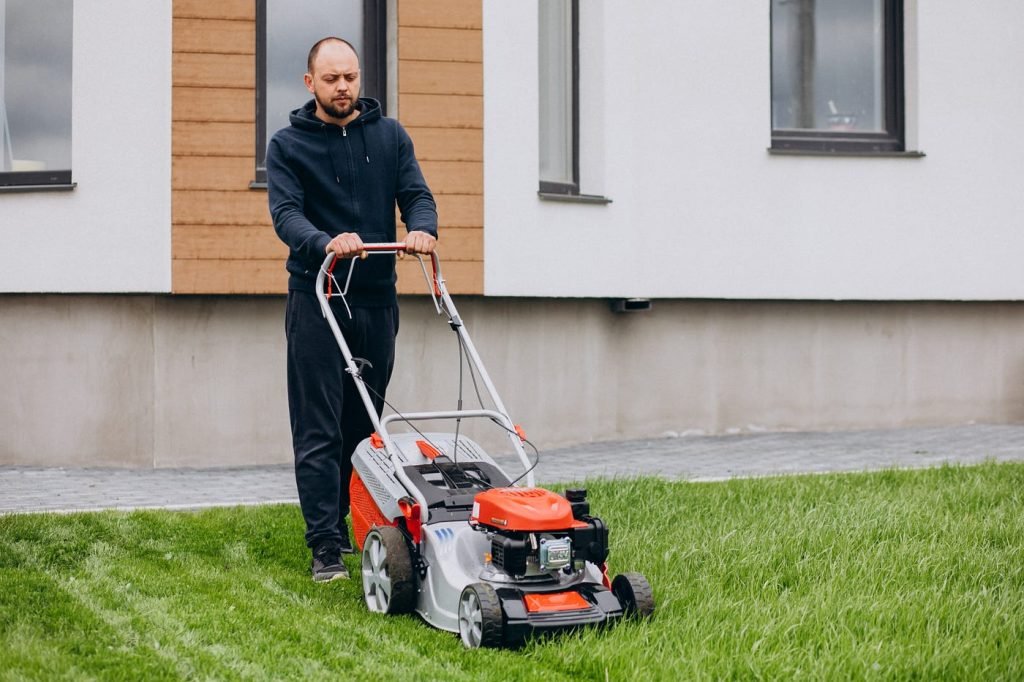
Have you ever stopped to wonder if mowing your lawn can actually help the environment instead of harming it? You might think that cutting grass is just another chore that uses fuel and creates noise.
But what if you could turn this routine task into a way to support your local ecosystem and reduce your carbon footprint? You’ll discover simple changes you can make to your lawn care routine that not only keep your yard looking great but also protect the planet.
Keep reading to find out how your next mow can be a step toward a greener, healthier world.
Benefits Of Eco-friendly Lawn Care
Reducing carbon footprintmeans using tools that do not pollute the air. Electric mowers or manual reel mowers cut grass without smoke. Less fuel use helps lower harmful gases in the air. This keeps the environment cleaner and healthier.
Promoting biodiversityhappens by planting native flowers and leaving some wild areas. These spaces give homes to bees, butterflies, and birds. A diverse lawn supports many small animals and plants. It creates a natural balance in your garden.
Conserving water resourcesis possible by mowing less often and leaving grass a bit longer. Longer grass holds moisture better and needs less watering. Using rainwater or drip irrigation saves even more water. This helps protect valuable water supplies.

Credit: www.landscapemanagement.net
Choosing Sustainable Mowing Practices
Keeping your lawn at the optimal mowing heighthelps grass grow strong. Cutting too short can stress the grass and waste water. Taller grass shades the soil, reducing evaporation.
Choose the right frequency and timingfor mowing. Mow only when grass is dry and avoid cutting too often. This lets grass recover and stay healthy.
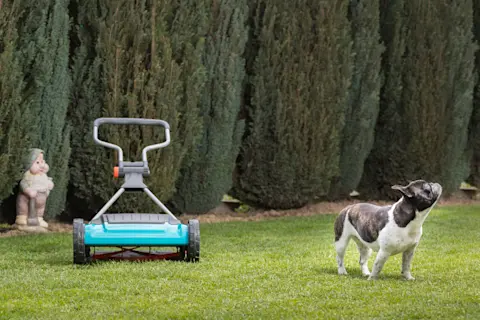
- Manual mowersuse no fuel and make no pollution.
- Electric mowersare quieter and cleaner than gas mowers.
- Both options help reduce your carbon footprint.
Grass Selection For Green Lawns
Choosing the right grass is key for an eco-friendly lawn. Native grass varieties grow well in local soil and climate. They need less water and fertilizer, saving resources and reducing pollution.
Drought-resistant options stay green with little water. These grasses help conserve waterand keep lawns healthy during dry times. Perfect for areas with low rainfall.
Low-maintenance species require less mowing and care. They grow slowly and resist pests naturally. This reduces fuel useand chemical treatments, helping the environment.
| Grass Type | Benefits |
|---|---|
| Native Grasses | Adapted to local climate, low water and fertilizer needs |
| Drought-Resistant | Needs less water, stays green in dry conditions |
| Low-Maintenance | Slow growth, fewer pests, less mowing |

Credit: greenecodream.com
Soil Health And Fertilization
Compostinghelps return nutrients to the soil naturally. It reduces waste and improves soil texture. Using organic fertilizerslike manure or bone meal feeds grass without harmful chemicals. These methods keep the lawn healthy and eco-friendly.
Aerationlets air, water, and nutrients reach the grass roots. It breaks up compacted soil. This helps roots grow deeper and stronger. Aeration can be done with simple tools or machines.
- Avoid chemical pesticides.They can harm insects and soil life.
- Use natural pest control like ladybugs or neem oil.
- Healthy grass resists pests better on its own.
Watering Strategies For Sustainability
Choosing efficient irrigation methodshelps save water and energy. Sprinklers with timers avoid overwatering. Drip irrigation sends water directly to roots. This reduces water waste and keeps lawns healthy.
Watering at the best timemakes a big difference. Early morning is ideal because less water evaporates. Evening watering can cause fungal growth. Avoid watering in the heat of the day.
Using rainwater harvestingcollects natural water for your lawn. Rain barrels capture water from roofs. This water can be used during dry times. It lowers your water bills and helps the environment.
Encouraging Wildlife In Lawns
Mowing lawns thoughtfully can help protect local wildlife by preserving their habitats. Leaving grass a bit longer and mowing less often supports insects and small animals. This simple change makes lawns more eco-friendly and inviting for nature.
Planting Pollinator-friendly Flowers
Choose flowers that attract bees and butterflies. These insects help plants grow. Lavender and sunflowers are great choices. They add color and life to your lawn. Planting these helps the environment. It also makes your garden look pretty.
Creating Habitats For Beneficial Insects
Small insects can be good for your lawn. Make homes for them using logs or stones. These homes protect them from harm. They help keep bad bugs away. Your lawn stays healthy this way. It’s easy and fun to do.
Minimizing Lawn Chemicals
Too many chemicals harm your lawn and animals. Use natural products instead. Compost and mulch are good options. They help the grass grow strong. Less chemicals make the earth happy. You will see more birds and insects.
Credit: www.discovermagazine.com
Frequently Asked Questions
Can Mowing Lawn Be Environmentally Friendly?
Yes, mowing lawns can be eco-friendly by using electric mowers, mowing less frequently, and leaving grass clippings to decompose naturally. These practices reduce emissions, conserve water, and promote soil health, making lawn care more sustainable and beneficial for the environment.
What Mower Types Are Best For Eco-friendly Lawns?
Electric and manual reel mowers are best for eco-friendly lawns. They produce no emissions and use less energy. Battery-powered mowers are quieter and cleaner compared to gas-powered ones, helping reduce pollution and noise in residential areas.
How Often Should I Mow For Eco-friendly Lawn Care?
Mow your lawn once a week or less during peak growth. Avoid cutting more than one-third of the grass height to reduce stress. Less frequent mowing conserves energy, supports beneficial insects, and promotes stronger, healthier grass growth.
Should Grass Clippings Be Left On The Lawn?
Yes, leaving grass clippings on the lawn returns nutrients to the soil naturally. This practice reduces the need for chemical fertilizers and improves soil moisture retention. It’s an easy way to maintain a healthy, eco-friendly lawn.
Conclusion
mowing your lawn can help the environment. Choose electric or manual mowers to reduce pollution. Leave grass clippings on the lawn to feed the soil. Water your lawn wisely and avoid waste. Plant native flowers and grass for better growth.
Small changes make a big difference over time. Care for your lawn and the planet too. Simple steps create a greener, healthier yard. Try these tips and watch your lawn thrive.





