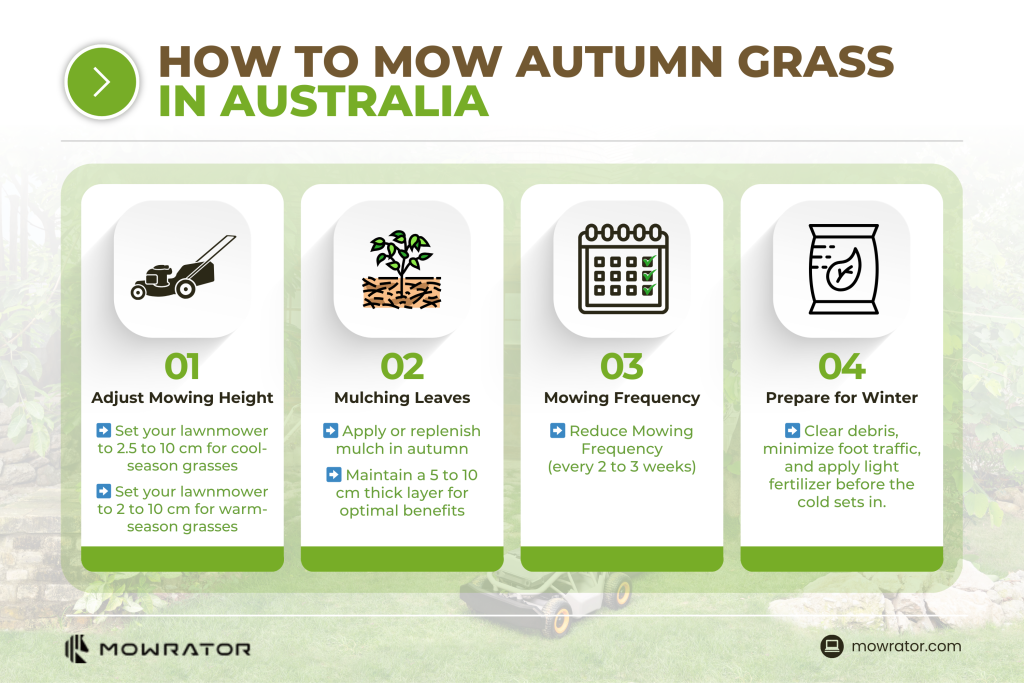
Your lawn doesn’t take a break just because the seasons change. In fact, how you mow your lawn in fall can make a big difference in its health and appearance next spring.
If you want your grass to stay strong and green, you need to adjust your mowing routine now. Keep reading to discover simple, effective tips that will help you care for your lawn this fall—and set it up for success all year long.
Preparing Your Mower For Fall
Check the mower blades for sharpness. Dull bladescan tear grass, causing damage. Replace or sharpen blades to ensure a clean cut. This helps grass stay healthy during fall.
Examine the fuel tank and oil level. Use fresh fuelto avoid engine problems. Change the oil if it looks dark or dirty. Proper oil keeps the engine running smoothly.
Adjust the mower height to cut grass at the right length. Set the blades higher than in summer. Longer grass protects roots from cold weather and helps soil stay moist.
Ideal Mowing Frequency
Lawns grow slower in fall. So, mowing less often is best. Usually, mowing once every 10 to 14 days works well. This keeps the grass healthy without stressing it out.
Timing your last cutis important. Cut the grass a bit shorter than usual, around 2 to 2.5 inches. This helps prevent mold and snow damage during winter. Try to finish mowing before the first frost or heavy snow arrives.
Best Mowing Techniques For Fall
Avoiding scalpingmeans not cutting the grass too short. Cut only the top third of the grass blades. This keeps the lawn healthy and helps roots grow stronger. Scalping can stress grass, making it weak for winter.
Leaving grass clippingson the lawn is good. They add nutrients back to the soil. Clippings break down quickly and help keep the lawn moist. No need to rake them up unless the grass is very long.
Mowing when grass is dryhelps prevent clumping and uneven cuts. Wet grass can clog the mower and leave patches behind. Dry grass cuts cleaner and reduces disease risks. Wait until the dew dries before mowing.
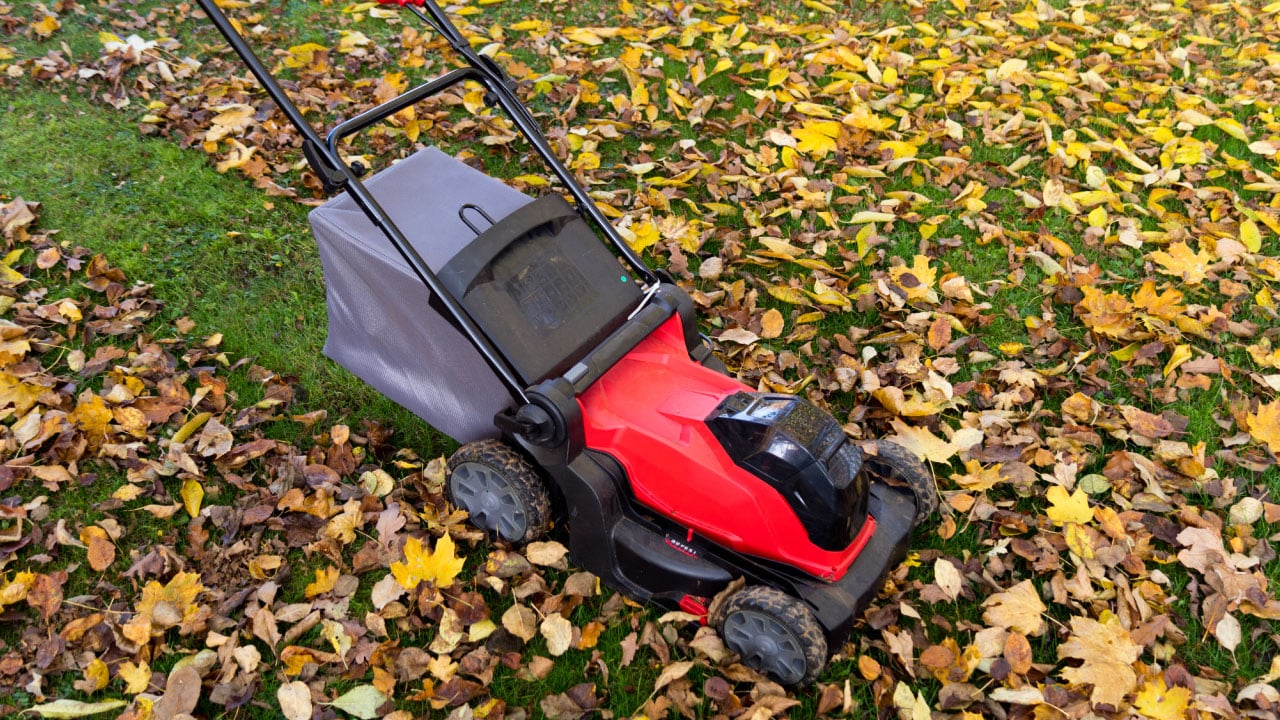
Credit: scottslawncare.net
Lawn Care Tips To Complement Mowing
Use a slow-release fertilizerto feed your lawn. This helps grass grow strong roots. Choose a fertilizer with high potassium. Potassium makes grass tough against cold. Spread it evenly over the lawn. Follow the instructions on the bag. This is important for safe use.
Spread grass seeds on your lawn. This is called overseeding. It fills in bare spots. Make sure to choose the right type of seed. Cool-season grasses work best in fall. Water the seeds after spreading. Keep them moist for good growth.
- Water early in the morning.
- Use a sprinkler for even coverage.
- Do not water too much.
- Let the soil dry between watering.
Common Mistakes To Avoid
Cutting grass too shortin fall weakens the lawn. It can cause stress and damage roots. Leave grass a bit longer to protect it from cold.
Mowing wet grassis risky. Wet blades can clump and cause uneven cuts. It can also spread disease. Wait until the grass is dry.
Ignoring lawn healthcan cause problems. Check for pests, weeds, and diseases regularly. Use fertilizer to keep the lawn strong for winter.
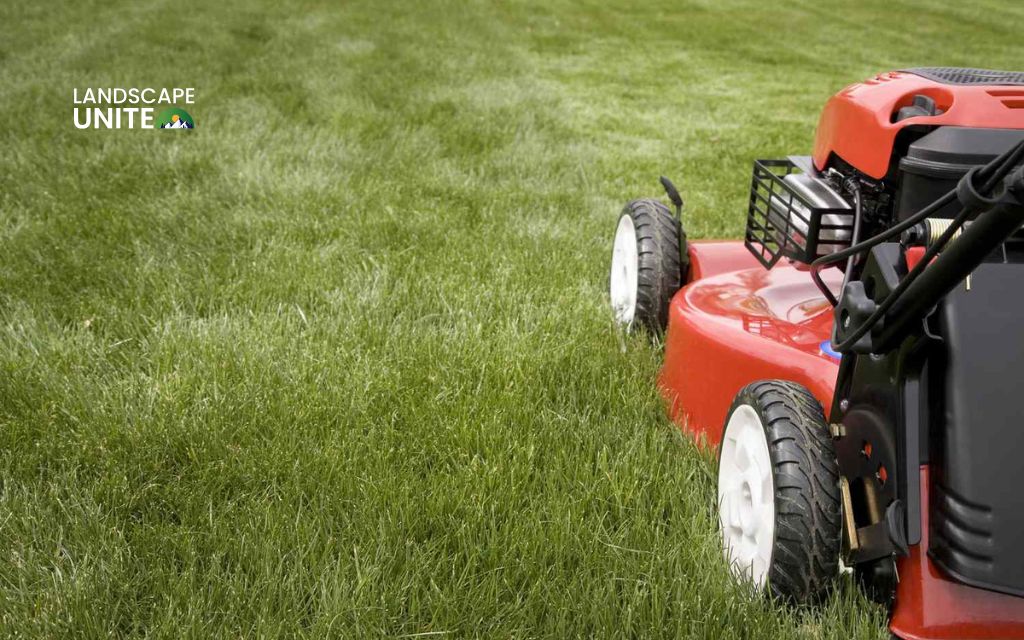
Credit: landscapeunite.com
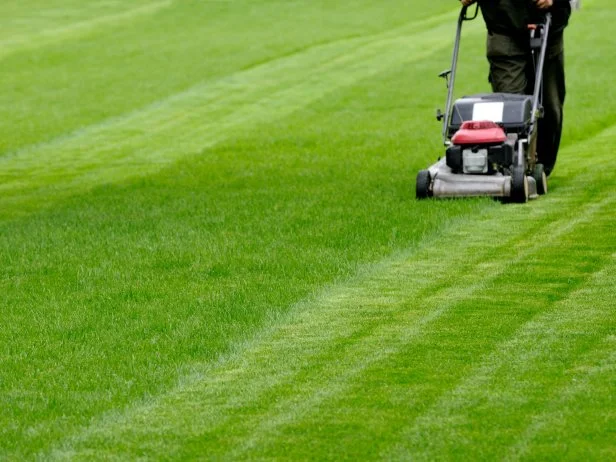
Credit: www.hgtv.com
Frequently Asked Questions
How Often Should I Mow My Lawn In Fall?
Mow your lawn once a week in early fall. Reduce frequency to every 10-14 days as temperatures drop. This helps maintain grass health and prepares it for winter.
What Is The Ideal Grass Height For Fall Mowing?
Keep your grass height between 2. 5 to 3 inches in fall. Taller grass protects roots and retains moisture. Avoid cutting too short to prevent stress.
Should I Change Mower Settings For Fall Lawn Care?
Yes, raise the mower blade height in fall. This prevents cutting grass too short. Adjust settings gradually to avoid damaging the lawn during colder months.
Is It Important To Remove Leaves Before Mowing?
Yes, clear leaves before mowing to avoid matting. Leaves can block sunlight and trap moisture. Removing them helps grass breathe and stay healthy.
Conclusion
Mowing your lawn in fall keeps grass healthy and ready for winter. Cut the grass a bit shorter than usual but not too short. Remove leaves and debris to help sunlight reach the grass. Regular mowing prevents pests and disease from settling in.
A well-maintained lawn in fall grows stronger in spring. Stay consistent with these simple steps for best results. Your yard will look neat and stay green longer. Taking care now saves work later. Easy and effective lawn care makes a big difference.





