Are you wondering how low or high you should set your mower this fall? Getting the right lawn height as the seasons change can make a huge difference in keeping your grass healthy and green through winter.
If you cut too short, your lawn could struggle; too long, and it might invite pests or mold. You’ll discover the perfect mowing height for fall that helps your lawn thrive, saving you time and money next spring. Keep reading to unlock simple tips that will transform your lawn care routine this season!
Credit: www.todays-woman.net
Ideal Mowing Height For Fall
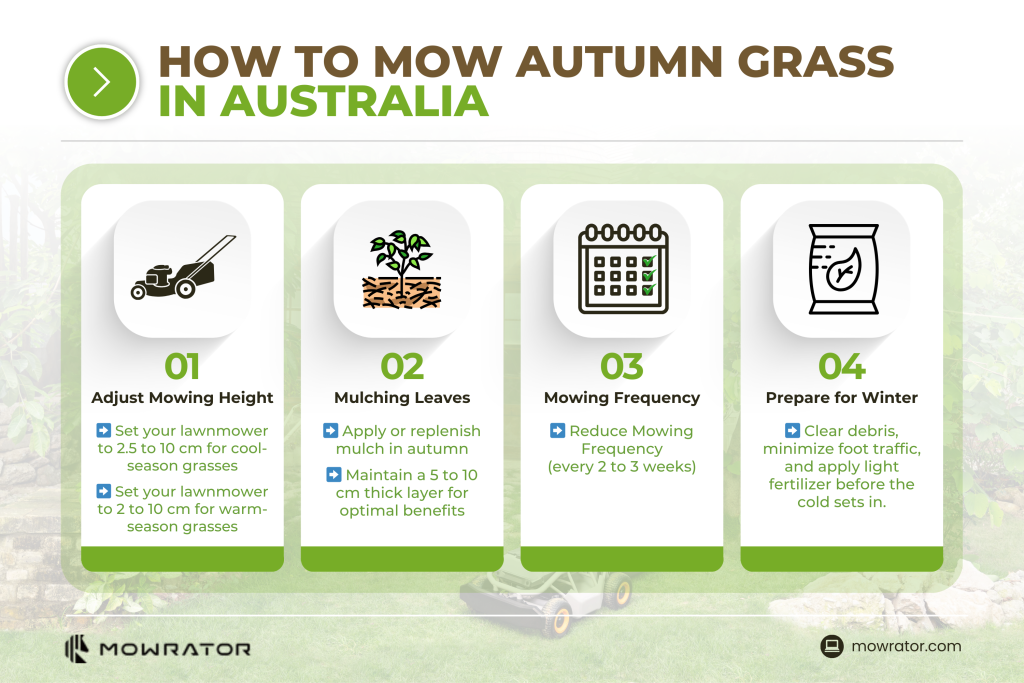
Cool-season grasseslike fescue and bluegrass need a mowing height of about 2.5 to 3.5 inchesin fall. This height helps the grass keep its strength during cold months. Leaving the grass a bit taller protects roots and traps warmth in the soil.
Warm-season grassessuch as Bermuda and zoysia should be cut slightly shorter. Keep the height around 1 to 2 inches. This allows the grass to rest and store energy for next spring. Cutting too short can stress the grass before winter.
| Grass Type | Ideal Mowing Height in Fall | Reason |
|---|---|---|
| Cool-season grasses | 2.5 to 3.5 inches | Protects roots and keeps soil warm |
| Warm-season grasses | 1 to 2 inches | Prepares grass for dormancy and energy storage |

Credit: au.mowrator.com
Benefits Of Proper Fall Mowing
Proper fall mowinghelps grass grow strong roots. Longer roots store more food for winter. This makes the lawn healthier in spring. Cutting grass too short can stress the roots. Keep grass height a bit higher to protect roots from cold.
Good mowingalso stops diseases and pests. Tall grass can hold moisture, which may cause fungus. But cutting too short leaves grass weak and open to bugs. A balanced height keeps grass dry and healthy. This reduces risks of problems during cold months.
How To Transition Mowing Height
Reducing the mowing height should be done slowly over several weeks. Cut the grass about half an inch lowerevery time you mow. This helps the grass stay healthyand prepare for winter. Avoid cutting too short all at once. It can stress the grassand make it weak.
Plan your mowing days for dry weather. Wet grass can clog the mower and cause uneven cuts. Try to mow when the grass is dry and cool. This keeps your lawn neat and helps it grow well.

Credit: custodia.com
Tools And Techniques For Fall Mowing
Cutting your lawn to about 2. 5 to 3 inches in fall helps protect grass roots. Using a sharp mower ensures a clean cut, reducing stress on the grass. Leaving grass slightly longer supports healthy growth through cooler months.
Sharp Blades And Equipment Maintenance
Using sharp bladesis key for clean cuts. Dull blades tear grass. This weakens the lawn. Regularly check and sharpen the blades. It helps the grass stay healthy and green. Keep your mower clean and well-maintained. This ensures a smooth mowing session. Always remove debris and grass clippings. It prevents clogging and damage.
Mowing Patterns And Frequency
Change your mowing patterneach time. It avoids soil compaction. Compacted soil is bad for the grass roots. Mow every 10 to 14 days. This keeps the grass at an ideal height. Grass should be around 2.5 to 3 inches tall. This height protects the roots. It also helps prevent weed growth.
Common Mistakes To Avoid
Cutting grass too shortcan harm your lawn in fall. Grass needs some height to protect roots from cold. Cutting it very short stresses the grass. It can cause dry patches and weak growth. Leave the grass a bit taller than in summer. This helps the lawn store energy for winter.
Neglecting lawn care after mowingis another common mistake. Grass needs attention after cutting. Watering lightly keeps the soil moist. Removing fallen leaves helps sunlight reach the grass. Also, avoid walking on wet grass to prevent damage. Taking these small steps helps your lawn stay healthy and strong.
Additional Tips For Fall Lawn Care
Fertilizinghelps grass store food for winter. Use a fertilizer with more potassium and less nitrogen. This keeps grass strong and healthy. Apply fertilizer in early fall for best results.
Wateringshould continue until the ground freezes. Water grass deeply but less often. This encourages deep roots. Avoid watering too much to prevent disease.
Preparing your lawnfor winter means mowing at the right height. Keep grass around 2 to 2.5 inches tall. Remove leaves and debris to stop mold and pests. Aerate soil if compacted to help roots breathe.
Frequently Asked Questions
What Height Should I Mow My Lawn In Fall?
Mow your lawn to about 2. 5 to 3 inches in fall. This height protects roots and conserves moisture during cooler months.
Why Is Mowing Height Important In Fall?
Proper mowing height helps grass store nutrients for winter. It also prevents disease and promotes healthy growth in spring.
Can I Mow My Lawn Shorter In Fall?
Avoid mowing too short in fall; it stresses grass. Keep the height slightly higher to protect against cold and frost.
How Often Should I Mow My Lawn In Fall?
Mow your lawn every 1-2 weeks in fall. Grass growth slows, so less frequent mowing is needed than in summer.
Conclusion
Mowing your lawn at the right height in fall helps keep grass healthy. Cutting too short can stress your grass during cold months. Keeping grass a bit longer protects roots from frost. It also helps leaves break down and feed the soil.
Adjust your mower to about 2. 5 to 3 inches in fall. This simple step supports a greener lawn come spring. Caring for your lawn now saves work later. Small actions make a big difference in lawn health. Try these tips for a strong, beautiful yard next year.





