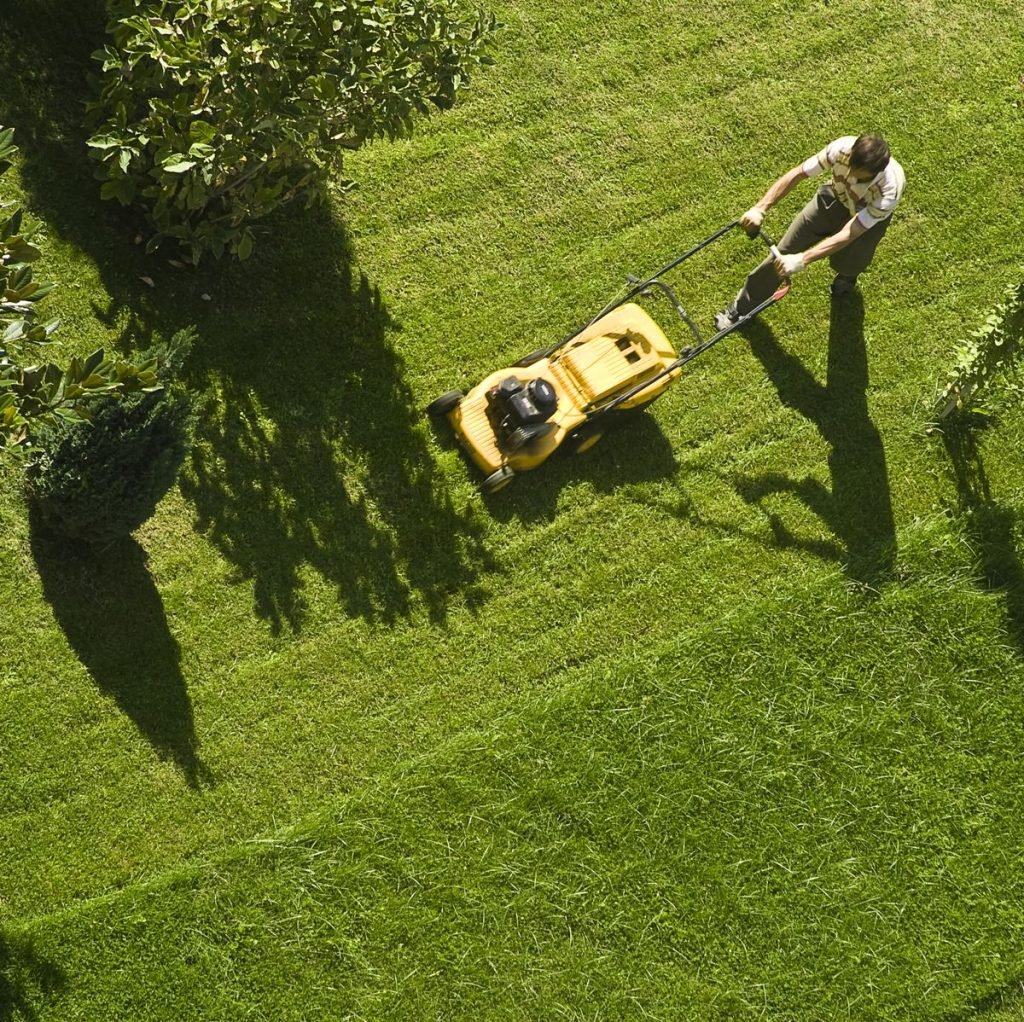
Your lawn in early fall needs special care to stay healthy and green. Mowing it the right way now can make all the difference for how it looks next spring.
If you want a lawn that stands out and stays strong through the colder months, you need to know the best mowing tips for this season. Keep reading to discover simple, effective steps that will help your lawn thrive and impress everyone who sees it.
Your perfect fall lawn starts here.

Credit: www.searshomeservices.com
Preparing Your Lawn Mower
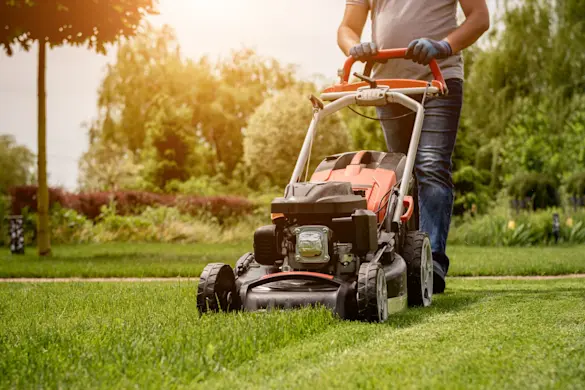
Check the blade sharpnessto ensure a clean cut. Dull blades can tear grass, causing damage and uneven growth. Sharpen or replace blades if needed.
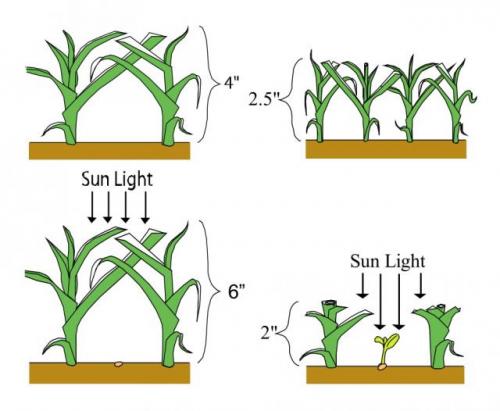
Adjust the mower heightto suit early fall grass growth. Set the blade higher than in summer to protect grass roots during cooler weather. A height of 2.5 to 3 inches works well for most lawns.
Ensure the mower has enough fuel and oil. Use fresh gasoline to avoid engine problems. Check the oil level and add more if it is low. Clean fuel and proper oil keep the mower running smoothly all season.
Credit: www.canr.msu.edu
Best Time To Mow In Early Fall
The best time to mow your lawn in early fall is during cool, dry days. Early morning or late afternoon works well. Avoid mowing when the grass is wet or during very hot days. This helps keep the grass healthy and reduces stress.
Ideal weather conditions include:
- Temperatures between 50°F and 70°F
- Clear skies or light clouds
- Low humidity
- Dry grass surface
Frequency of mowing depends on grass growth speed. Usually, mow once a week. If growth slows, mow every 10 to 14 days. Keep grass height around 2.5 to 3 inches. Avoid cutting too short to protect roots for winter.
Mowing Techniques For Early Fall
Optimal cutting heightkeeps the grass healthy in early fall. Set your mower to about 2.5 to 3 inches. This height protects roots from cold and lets the lawn store energy for winter. Cutting too short can stress the grass and invite weeds.
Mowing pattern tipshelp keep your lawn even and healthy. Change your mowing direction each time. This avoids soil compaction and helps grass grow straight. Use slow, steady passes for a clean cut. Avoid mowing wet grass to prevent clumping.
- Handle fallen leavesby removing or mulching them.
- Leaves left on the lawn can block sunlight and air.
- Mulching small leaves adds nutrients back to soil.
- Rake large piles to keep grass healthy and green.
Post-mowing Lawn Care
Cut grass clippings help nourish the soil and protect roots during cooler fall nights. Water the lawn lightly after mowing to keep it healthy and strong. Avoid cutting too short to prevent stress and promote steady growth.
Watering Strategies
Water the lawn in the morning. This helps the grass grow strong. Use a sprinkler for even coverage. Avoid overwatering to prevent soggy soil. Check the soil by touching it. If it’s dry, water it. Wet soil needs no more water.
Fertilizing Tips
Use a lawn-specific fertilizer for better growth. Choose one with balanced nutrients. Follow the package instructions carefully. Apply fertilizer after mowing. This gives grass a nutrient boost. Avoid fertilizing if rain is expected. The nutrients may wash away.
Aeration Benefits
Aeration helps the soil breathe. It allows air and water to reach roots. Use a manual aerator or machine. Pull small plugs from the soil. This improves grass health. Aerate once a year for best results. Fall is a good time for aeration.
Common Mistakes To Avoid
Cutting Too Shortharms grass roots and slows growth. Leave grass about 2.5 to 3 inches tall. Short cuts stress grass and let weeds grow faster.
Mowing Wet Grasscan cause clumps and uneven cuts. Wet grass clogs the mower and spreads disease. Wait for the grass to dry before mowing.
Ignoring Lawn Healthmeans missing signs of pests or disease. Check for brown patches or bugs. Use fertilizer and water properly to keep grass strong.
Credit: www.searspartsdirect.com
Frequently Asked Questions
How Often Should I Mow My Lawn In Early Fall?
In early fall, mow your lawn every 7 to 10 days. This frequency helps maintain healthy grass and prevents overgrowth. Adjust based on grass type and weather conditions to keep your lawn tidy and vibrant.
What Is The Ideal Mowing Height For Fall Grass?
Set your mower blade to 2. 5 to 3 inches in early fall. Taller grass retains moisture and strengthens roots. Avoid cutting more than one-third of the grass height at once to prevent stress.
Should I Change Mowing Patterns During Early Fall?
Yes, change your mowing pattern weekly to promote even growth. This prevents soil compaction and reduces the risk of ruts. Varying direction helps grass grow upright and stay healthy throughout the season.
Is It Better To Mow When The Grass Is Dry Or Wet?
Always mow when the grass is dry in early fall. Wet grass can clog mower blades and cause uneven cuts. Dry conditions help achieve a clean cut and reduce the risk of lawn disease.
Conclusion
Mowing your lawn in early fall helps keep grass healthy and strong. Cut the grass at the right height to avoid stress. Leave grass clippings to feed the soil naturally. Water the lawn well after mowing to stay green. Take care of your lawn now for a lush yard later.
Small steps make a big difference in lawn care. Enjoy a neat, fresh lawn as the season changes.





