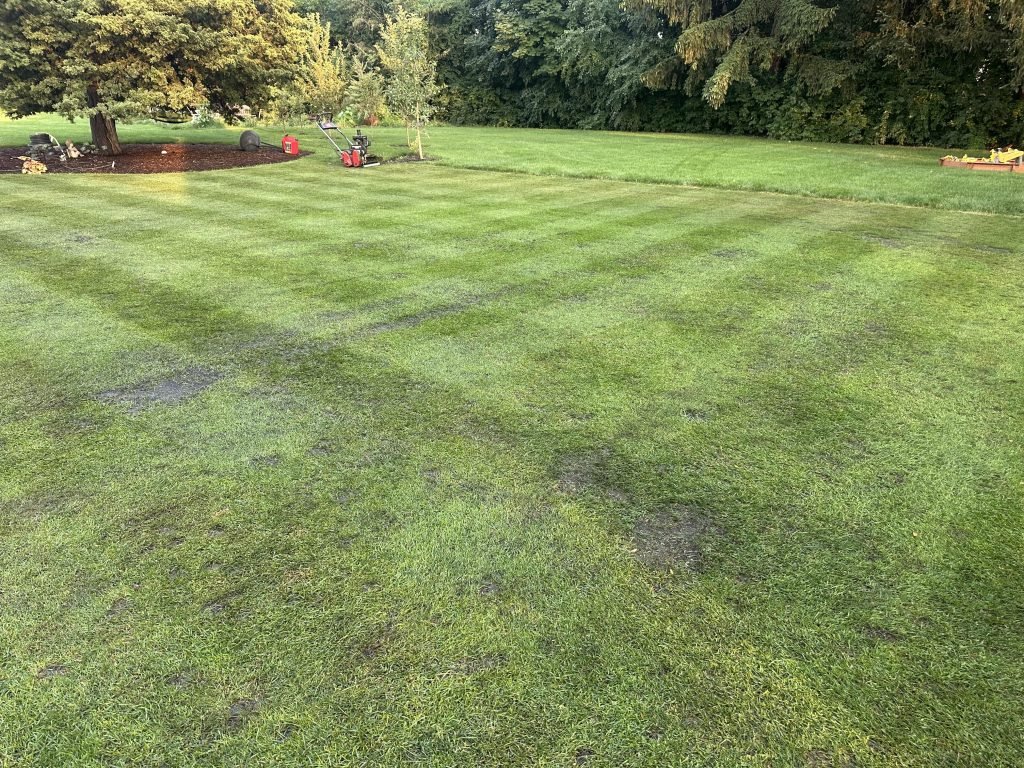
Are you wondering how often to mow your Kentucky bluegrass to keep it looking its best? Mowing at the right frequency can make all the difference between a lush, green lawn and one that looks patchy or stressed.
If you’re tired of guessing and want a simple, effective routine that saves you time and effort, you’re in the right place. Keep reading, and you’ll discover easy tips to maintain a healthy, vibrant Kentucky bluegrass lawn all season long.
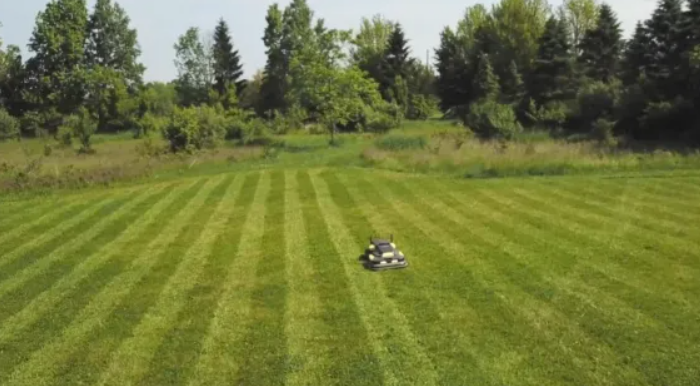
Credit: www.yarbo.com
Ideal Mowing Frequency
Kentucky Bluegrassgrows at different speeds depending on the season. It grows fastest in spring and fall. Mowing should happen every 5 to 7 daysduring these times. In summer, growth slows down. Mow every 10 to 14 daysthen. Winter growth stops, so no mowing is needed.
Several factors affect growth rate. These include:
- Weather conditions– Rain and temperature changes
- Soil quality– Rich soil helps grass grow faster
- Grass health– Strong grass grows better
- Sunlight– More sun means faster growth
- Fertilizer use– Proper feeding boosts growth
Adjust mowing frequency based on these growth factors. Regular mowing keeps grass healthy and green.
Optimal Mowing Height
Kentucky Bluegrassgrows best when cut to a height of 2.5 to 3.5 inches. This height helps keep the grass healthy and green. Cutting too short can stress the grass and cause brown patches.
The blade lengthon your mower should be set to maintain this height. Avoid cutting more than one-third of the grass blade at a time. This practice keeps the lawn strong and less prone to weeds.
During hot or dry weather, raise the mower blade to keep the grass longer. Longer grass blades hold moisture better and protect roots from sun damage. After rain or cooler days, you can mow a bit shorter but stay within the recommended range.
Signs Your Lawn Needs Mowing
Visual indicatorshelp know when to mow Kentucky Bluegrass. The grass blades look uneven and tall. If the grass grows past 3 inches, it needs cutting. Tall grass blocks sunlight and slows growth. Watch for patches where grass looks thick or sparse. These spots may need extra care.
Texture and densitychange as grass grows. Kentucky Bluegrass feels soft but firm when healthy. If the lawn feels rough or clumpy, it may be too long. Overgrown grass makes mowing harder and less even. Regular mowing keeps the lawn smooth and green.

Credit: www.outsidepride.com
Mowing Techniques For Healthier Grass
Keeping mower blades sharpis key for healthy Kentucky Bluegrass. Sharp blades cut grass cleanly, reducing stress and disease risk. Dull blades tear the grass, causing brown edges and slower growth.
Change mowing patternsregularly. This helps prevent soil compaction and keeps grass growing evenly. Try mowing in different directions each time to avoid ruts and promote strong root growth.
Common Mowing Mistakes To Avoid
Cutting Kentucky Bluegrass too shortcan harm the grass. Short cuts stress the grass and make it weak. The grass may turn brown and patchy. It also invites weeds and pests.
Mowing wet grassis a common mistake. Wet grass clumps and clogs the mower. It can cause uneven cuts and damage the grass blades. Wet mowing can also spread disease quickly.
- Wait until the grass is dry before mowing.
- Keep mower blades sharp to avoid tearing grass.
- Raise mower height to cut less than one-third of grass blade at a time.
- Remove clippings if they form thick mats on the lawn.

Credit: www.reddit.com
Seasonal Lawn Care Tips
Spring is a time for growth. Mow Kentucky Bluegrass once a week. Keep mower blades sharp for a clean cut. This helps the grass grow healthy and strong. Water the lawn deeply but not too often. Too much water can harm the roots. Fertilize the lawn to give it the nutrients it needs. Remove any weeds that appear. Weeds can steal nutrients from the grass.
Summer can be hot and dry. Mow the grass higher to keep it cool. Mowing once every seven to ten days is best. Water the lawn early in the morning. This helps the water soak in before it evaporates. Use a mulching mower to return nutrients to the soil. Check for pests and treat them early. Pests can hurt the grass.
Fall is time to prepare for winter. Mow the lawn shorter than in summer. This stops the grass from matting under snow. Remove fallen leaves to keep the grass healthy. Aerate the lawn to help air reach the roots. Fertilize one last time before winter. This gives the grass a head start in spring. Keep mowing until the grass stops growing.
Frequently Asked Questions
How Often Should I Mow Kentucky Bluegrass In Spring?
Mow Kentucky Bluegrass once every 5 to 7 days in spring. This helps maintain healthy growth and prevents scalping. Adjust frequency based on rainfall and growth rate for best results.
What Is The Ideal Mowing Height For Kentucky Bluegrass?
The ideal mowing height is 2. 5 to 3. 5 inches. Keeping this height promotes deep roots and drought resistance. Avoid cutting more than one-third of the grass blade at once.
Can Mowing Frequency Affect Kentucky Bluegrass Health?
Yes, mowing frequency impacts grass health. Mow too often, and stress increases; mow too little, and it grows uneven. Proper timing encourages dense, healthy turf and reduces weed invasion.
Should I Change Mowing Frequency In Summer?
Yes, reduce mowing to every 7 to 10 days in summer. Kentucky Bluegrass grows slower due to heat stress. Higher mowing height helps grass survive drought and heat better.
Conclusion
Mowing Kentucky bluegrass regularly keeps your lawn healthy and neat. Cut the grass when it grows about 3 to 4 inches tall. Avoid cutting too short; it can stress the grass. Usually, mowing once a week works well in growing seasons.
Adjust the frequency during slow growth or dry periods. Use sharp mower blades for clean cuts. A well-maintained lawn looks green and feels soft underfoot. Small efforts every week lead to big results over time. Keep your Kentucky bluegrass strong and beautiful with steady care.





