Are you wondering if you should mow your lawn before fertilizing this spring? It’s a simple question, but the answer can make a big difference in how healthy and green your grass looks all season long.
The right timing and technique can help your lawn soak up nutrients better and grow stronger. Keep reading to discover the best way to prepare your lawn for fertilizing, so you can enjoy a vibrant, lush yard that stands out in your neighborhood.
Don’t miss these expert tips that could transform your lawn care routine!

Credit: ca.style.yahoo.com
Timing Your Lawn Care
Mowing your lawn before fertilizing in spring helps prepare the grass. It removes old, dead blades and allows fertilizer to reach the soil better. Cut the grass to about 2-3 inches tall. This height helps grass absorb nutrients well.
Timing is important. Mow your lawn when the grass is dry to avoid clumping. Fertilize soon after mowing for best results. This helps nutrients soak into the soil quickly.
| Task | Ideal Time | Reason |
|---|---|---|
| Mowing | Early spring, before fertilizing | Removes dead grass and prepares lawn |
| Fertilizing | After mowing, when soil is moist | Helps nutrients reach roots efficiently |
Credit: www.housebeautiful.com
Benefits Of Mowing Before Fertilizing
Mowing before fertilizinghelps grass absorb nutrients better. Cutting the grass makes the fertilizer reach the soil easily. This means nutrients get to the roots where they are needed most.
Shorter grass bladesallow sunlight and water to reach the soil surface. This helps the fertilizer dissolve and spread evenly. It also stops the fertilizer from sticking to long grass blades, which can waste nutrients.
Healthier grassgrows from good nutrient absorption. Mowing removes dead grass and old leaves. This clears space for new growth and gives fertilizer a better chance to work.
Regular mowing creates a strong, green lawn. It reduces weeds and keeps the lawn neat. Fertilizer then supports this healthy growth well.
Risks Of Fertilizing Without Mowing
Fertilizing without mowing can cause uneven fertilizer spread. Tall grass blades block fertilizer from reaching the soil. This leads to some patches getting too much fertilizer, while others get too little. Uneven feeding can harm lawn health and growth.
Thick grass may trap fertilizer granules. This can cause burn spotswhere fertilizer is too concentrated. Grass blades may also get damaged by fertilizer chemicals. Damaged grass looks brown and weak.
Long grass also makes it harder for fertilizer to soak into the soil. Water and nutrients can’t reach the roots easily. This reduces the fertilizer’s effectiveness.
Mowing Tips Before Fertilizing
Cut the grass to the right height before fertilizing. This helps the fertilizer reach the soil better. Too short grass can stress the lawn. Too tall grass blocks the fertilizer from soaking in well.
Keep the mowing height about 2.5 to 3 inches for most grasses. This height keeps the lawn healthy and strong. It also stops weeds from growing fast.
- Remove leaves, sticks, and debris from the lawn.
- Clear thatch to let air and nutrients reach roots.
- Use a rake or blower to clean the lawn surface.
- Cleaning helps fertilizer work better and prevents disease.
Fertilizer Types And Application
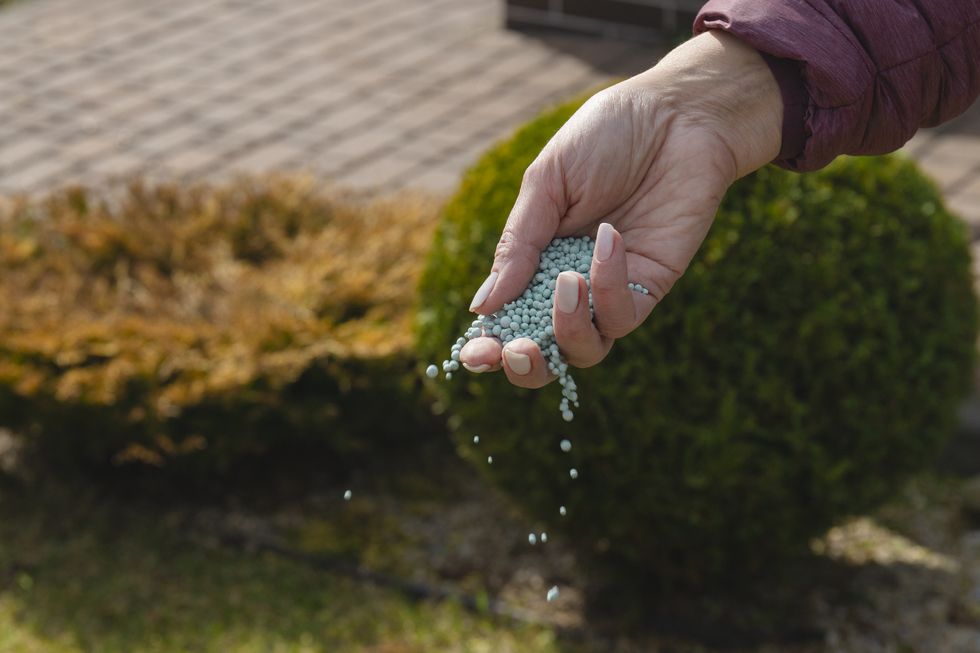
Choosing the right fertilizer helps grass grow strong and green. Look for fertilizers with nitrogen, phosphorus, and potassium. Nitrogen makes grass blades grow thick. Phosphorus helps roots grow deep. Potassium improves grass health and stress resistance.
Fertilizers come in slow-releaseand quick-releasetypes. Slow-release feeds grass over weeks. Quick-release works fast but lasts shorter. Use slow-release for steady growth.
- Apply fertilizer when grass is dry.
- Spread it evenly for best results.
- Avoid over-fertilizing to prevent burning.
- Water lawn lightly after applying fertilizer.
Good application means using the right amount. Too little won’t help. Too much can harm grass and soil. Read package instructions carefully.
Spring Lawn Care Routine
Watering is important after using fertilizer on your lawn. It helps the fertilizer soak into the soil. This helps plants grow strong and healthy. Water your lawn right after fertilizing. Use enough water to wet the soil. Don’t make puddles or overwater. This can wash away nutrients. A gentle spray works best for small areas. For larger lawns, use a sprinkler. This keeps the water spread evenly.
Regular care keeps your lawn looking good. Mow the grass often to keep it neat. Cut only one-third of the grass height at a time. This protects the grass from damage. Check for weeds each week. Pull them out when you see them. Weeds can take nutrients from your grass. Fertilize your lawn in spring and fall. This helps the grass stay green and thick. Enjoy your beautiful lawn all year!

Credit: www.housebeautiful.com
Frequently Asked Questions
Should I Mow My Lawn Before Applying Spring Fertilizer?
Mowing before fertilizing helps remove old grass blades and debris. It allows fertilizer to reach soil better, improving nutrient absorption. Mowing also promotes even fertilizer distribution and prevents clumps, ensuring healthier lawn growth in spring.
How Soon After Mowing Can I Fertilize My Lawn?
You should fertilize within 24 to 48 hours after mowing. This timing ensures grass blades are short, allowing fertilizer to reach soil easily. Fertilizing too late may reduce nutrient absorption and delay lawn greening.
Can I Fertilize Without Mowing The Lawn First?
Fertilizing without mowing can cause uneven nutrient spread. Tall grass blades may block fertilizer from reaching soil, reducing effectiveness. Mowing first creates a smooth surface, helping fertilizer work optimally and promoting healthy spring lawn growth.
What Is The Best Grass Height Before Fertilizing In Spring?
Aim to mow grass to about 2. 5 to 3 inches before fertilizing. This height balances healthy growth and nutrient absorption. It prevents stress on grass and allows fertilizer to penetrate soil effectively for vibrant spring growth.
Conclusion
Mowing your lawn before fertilizing helps the nutrients reach the soil better. Short grass absorbs fertilizer more easily, making it work well. It also keeps your lawn neat and healthy. Avoid cutting too short to protect grass roots. Remember to water after fertilizing for best results.
This simple step can improve your lawn’s growth in spring. A well-cared lawn looks green and fresh all season. Try this routine for a stronger, healthier yard.





