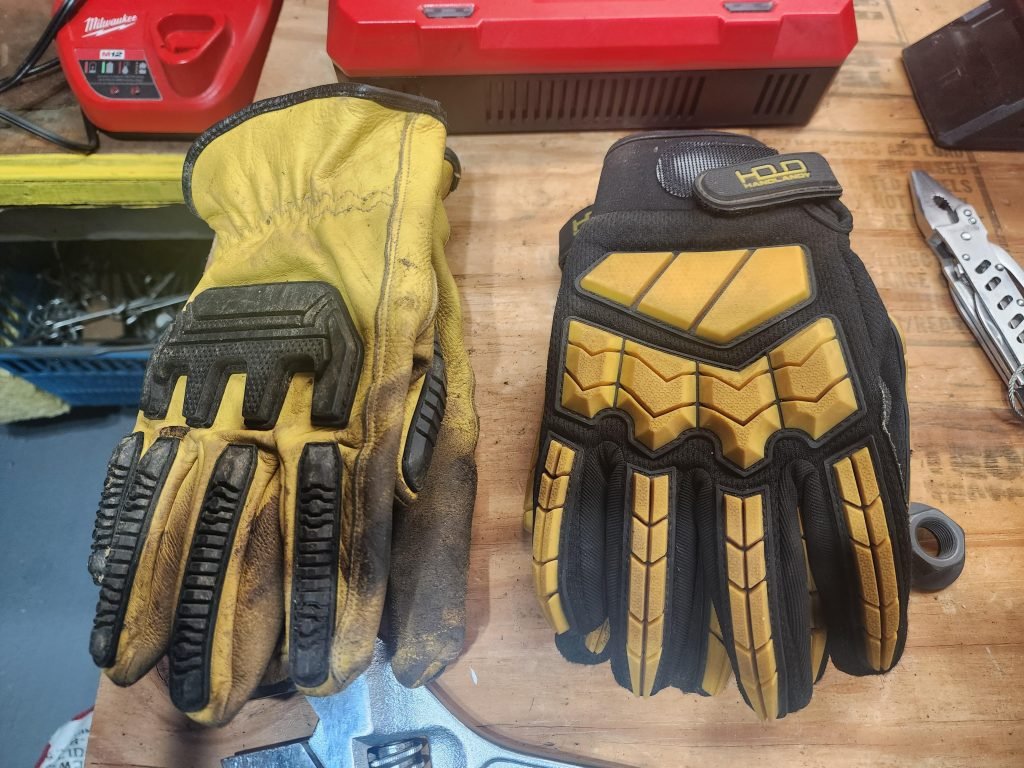
Mowing the lawn might seem simple, but the right gloves can make a huge difference in your comfort and safety. You want to protect your hands from cuts, blisters, and dirt while keeping a good grip on the mower.
But with so many options out there, how do you know which gloves are best for you? Keep reading to discover exactly what gloves you should wear when mowing, so your hands stay safe and comfortable every time you step outside.

Credit: www.amazon.ca
Choosing the right Gloves
Gloves made from leatheroffer strong protection and last long. Nitrilegloves resist oils and chemicals. Cottongloves are soft but less protective. Synthetic materials can be light and flexible, giving good comfort.
Proper sizingis key. Gloves that are too big slip off or get caught. Too small gloves feel tight and hurt your hands. Try gloves on to check the fit before buying.
Good griphelps hold the mower safely. Look for gloves with textured palms or rubber dots. Dexteritymatters for handling mower controls. Thin but tough gloves work best here.
Glove Features For Comfort
Good gloves for mowing have breathable materials. This keeps your hands cool and dry. Look for fabrics like mesh or lightweight cotton. These allow air to flow freely.
Padding and cushioningprotect your hands from bumps and vibrations. Soft padding on the palm reduces pressure. It helps to prevent blisters and soreness during long mowing sessions.
Flexibilitylets you move your fingers easily. Gloves should fit snugly but not tight. Stretchy materials or gloves with elastic cuffs provide better hand movement. This makes handling the mower safer and more comfortable.
Safety Aspects To Consider
Cut resistanceis key to protect hands from sharp blades. Gloves with tough materials like Kevlar or reinforced fabrics help stop cuts and scrapes. They keep fingers safe while mowing.
Impact protectionguards against bumps and hits from debris. Gloves with padded knuckles or extra padding absorb shocks. This reduces pain and injury during work.
Water and chemical resistancekeeps hands dry and safe. Gloves made from rubber or coated fabrics block water and harmful lawn chemicals. This prevents skin irritation and keeps gloves lasting longer.
Glove Recommendations By Mowing Conditions
Choosing the right gloves depends on mowing conditions like wet grass or dry terrain. Lightweight gloves suit warm weather, while thicker ones protect against rough debris. Proper gloves keep hands safe and comfortable during every mowing task.
Wet And Damp Lawns
Waterproof glovesare best for wet lawns. They keep hands dry. Choose gloves with a good grip. This helps to hold the mower firmly. Look for gloves with non-slip features. Comfort is important too. Select soft lining gloves. They feel nice and prevent blisters.
Thick Or Rough Terrain
Heavy-duty gloveswork well on rough terrain. They protect hands from thorns. Tough material is essential. It prevents cuts and scratches. Gloves with padded palms are better. They reduce vibration. This keeps hands from feeling tired. Durability matters. Strong gloves last longer.
Extended Mowing Sessions
Breathable glovesare ideal for long mowing hours. They keep hands cool. Lightweight fabric is important. It allows air to flow. Gloves should fit well. Loose gloves can cause blisters. Look for gloves with adjustable straps. This ensures a snug fit. Comfort leads to better mowing.
Maintenance And Care Tips
Choose gloves that offer good grip and protect your hands from cuts and dirt. Durable, breathable gloves with padded palms are best for comfort and safety. Replace gloves if they become worn or damaged to keep your hands safe while mowing.
Cleaning Methods
Remove dirtand grass from gloves after each use. Use cold waterand mild soap to wash. Avoid hot water; it can damage glove material. Let gloves air drycompletely before storing. Never use a dryer; it shrinks gloves.
Storage Advice
Store gloves in a cool, dry place. Keep them away from direct sunlight to avoid fading. Avoid storing gloves in wet or damp areas. Use a small box or drawer to keep them clean and ready.
When To Replace Gloves
| Condition | Reason to Replace |
|---|---|
| Holes or Tears | Gloves lose protection and can cause injuries. |
| Worn-Out Grip | Slippery gloves make mowing unsafe. |
| Unpleasant Smell | Signs of mold or bacteria buildup. |
| Loss of Fit | Loose gloves reduce control and comfort. |

Credit: www.amazon.ca
Credit: shop.stihl.ca
Frequently Asked Questions
What Type Of Gloves Are Best For Mowing?
Leather gloves are best for mowing. They offer durability, protection, and a good grip. They also resist cuts and abrasions from grass and debris.
Should Gloves Be Waterproof When Mowing?
Yes, waterproof gloves are ideal. They keep your hands dry during wet grass mowing. This prevents discomfort and skin irritation.
Can I Use Gardening Gloves For Mowing?
Gardening gloves work if they are sturdy and fit well. Choose gloves that protect from cuts and provide a strong grip.
Why Is Grip Important In Mowing Gloves?
Good grip prevents slipping while handling the mower. It enhances safety and control, reducing the risk of accidents.
Conclusion
Choosing the right gloves protects your hands from cuts and dirt. Gloves also improve grip, making mowing safer and easier. Breathable material keeps your hands cool and dry. Durable gloves last longer, saving you money in the long run. Always pick gloves that fit well for comfort and control.
Taking a moment to wear gloves can prevent injuries. Your hands will thank you after every mowing session. Simple gear, big difference.





