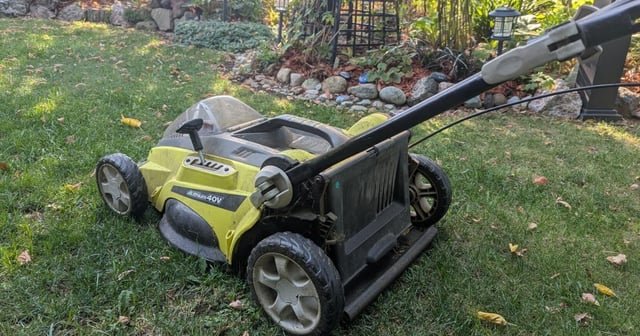
Have you ever stopped to wonder if mowing your lawn could be harming the environment? It’s a question that might catch you off guard, especially when lawn care feels like just part of your routine.
But what if the way you keep your grass neat is quietly affecting the planet? Understanding the hidden impact of mowing can help you make smarter choices for your yard—and for the Earth. Keep reading to discover surprising facts that could change how you think about your lawn forever.
Environmental Impact Of Lawn Mowing
Gas-powered mowersrelease harmful gases like carbon monoxide and nitrogen oxides. These gases pollute the airand can harm human health. Gas mowers also emit greenhouse gases, which add to climate change. Electric mowers are a cleaner choice for the environment.
The loud noise from lawn mowers can disturb people and animals nearby. Continuous noise may cause stress and hearing problems. Wildlife can be scared away, affecting local ecosystems. Quieter mower options help reduce noise pollution.
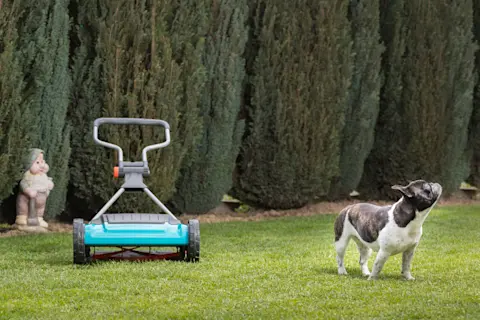
Mowing can compact the soil, making it hard for water and air to reach grass roots. Soil compaction harms soil healthand grass growth. It also reduces the soil’s ability to hold water, leading to more runoff. Using proper mowing techniques and aerating soil can help maintain healthy lawns.
Credit: www.discovermagazine.com
Carbon Footprint Of Lawn Maintenance
Lawn mowersuse fuel that creates carbon emissions. Gas mowers burn gasoline, releasing more carbon dioxideand pollutants. Electric mowers use batteries and produce less direct emissions. They are quieter and better for air quality.
Electric mowers need electricity, which may come from fossil fuels. Gas mowers emit fumes during use, harming the environment. Both types require energy, but gas mowers have a larger carbon footprint.
| Lawn Equipment | Fuel Source | Emissions | Lifespan |
|---|---|---|---|
| Gas Mower | Gasoline | High CO2 and pollutants | 5-10 years |
| Electric Mower | Electricity (Battery) | Lower direct emissions | 3-7 years |
Maintenance and disposal of mowers add to their environmental impact. Batteries in electric mowers need proper recycling. Gas mowers require oil changes and fuel, which also affect the environment.
Biodiversity Concerns
Mowing lawnsoften destroys habitatsfor many insects and small animals. These creatures rely on tall grass and wild plants for shelter and food.
Native plantscan disappear because regular mowing stops them from growing fully. Lawns usually have fewer kinds of plants compared to natural areas.
Pollinatorslike bees and butterflies need flowers to get nectar. Mowing too often cuts off their food source, making it harder for them to survive.
- Insects lose homes and food
- Wildlife moves away or dies
- Native plants cannot grow well
- Pollinators find less nectar

Credit: www.yahoo.com
Water Usage And Chemical Inputs
Mowing lawns often increases water use and boosts chemical inputs like fertilizers and pesticides. These practices can harm soil health and nearby water sources. Reducing mowing frequency helps save water and lowers the need for harmful chemicals.
Irrigation Demands
Lawn care uses a lot of water. Grass needs regular watering to stay green. This demand increases during hot months. Using water in large amounts can drain local resources. It’s important to use water wisely. This can help save the environment.Fertilizers And Pesticides Effects
Fertilizers help grass grow fast. But they can harm the soil. Pesticides keep bugs away. Yet, they can be dangerous to wildlife. These chemicals can stay in the ground for long. People should use fewer chemicals to keep soil safe.Runoff And Water Pollution
Rain can wash away chemicals from lawns. This runoff enters rivers and lakes. It can hurt fish and plants. Polluted water is not good for animals or people. Keeping lawns chemical-free can reduce water pollution. `Eco-friendly Lawn Alternatives
Native plant landscapinguses plants that grow naturally in your area. These plants need less water and care. They help local birds and insects. This type of garden saves energy and keeps the soil healthy.
Meadow and wildflower lawnsreplace grass with colorful flowers. They need less mowing and watering. These lawns attract bees, butterflies, and other pollinators. They also add beauty and support nature.
Permaculture and edible gardensgrow food and plants together. This method creates a natural balance. It reduces waste and helps the environment. You can enjoy fresh fruits, vegetables, and herbs from your yard.
Credit: medium.com
Sustainable Mowing Practices
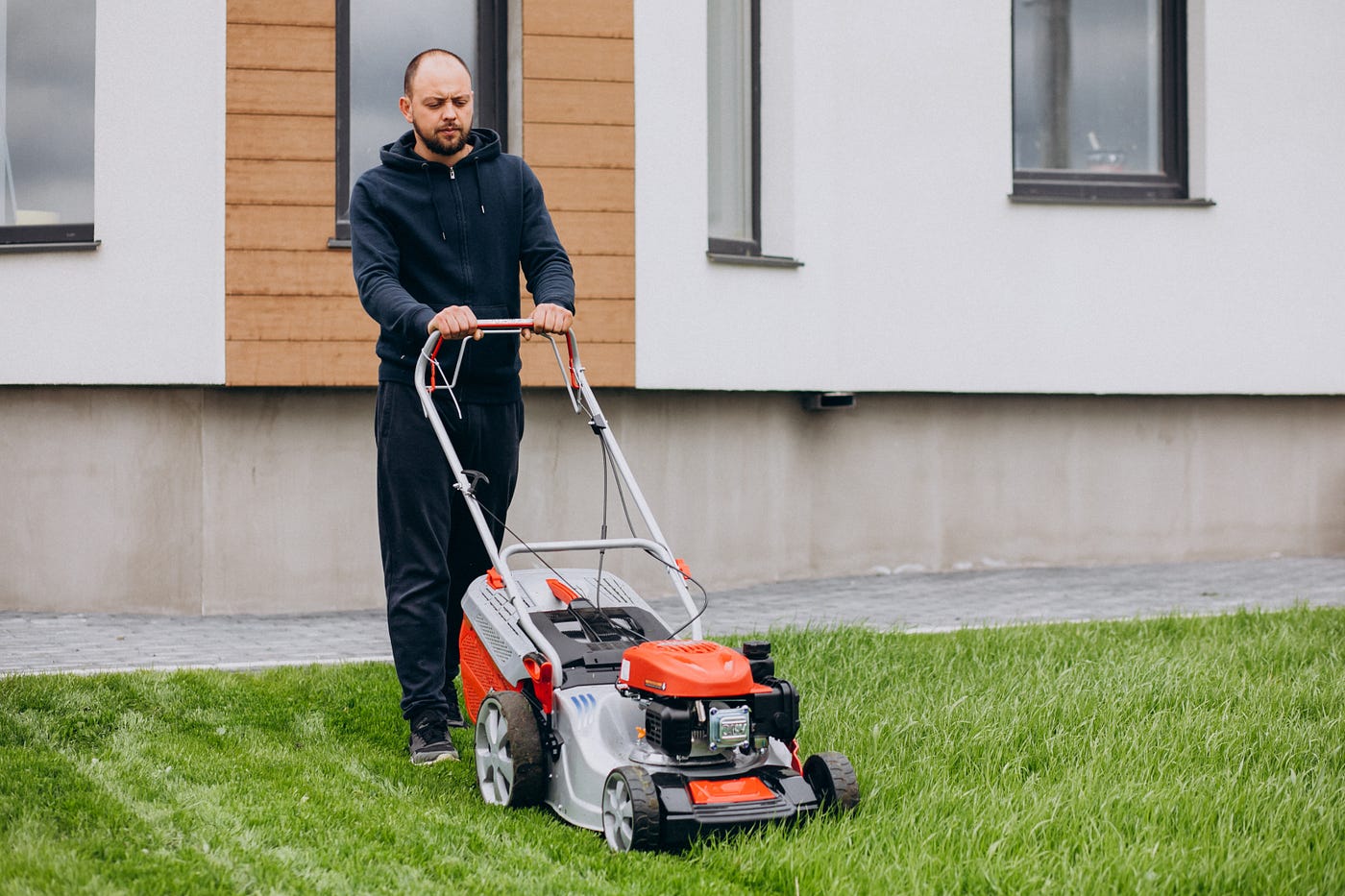
Manual and electric mowers cause less pollution than gas mowers. Manual mowers use no fuel and are very quiet. Electric mowers produce no direct emissions and are easier to maintain. Choosing these options helps reduce your carbon footprint.
mowing your lawn less often helps grass stay healthy. Set mower blades to a higher height to protect roots and retain moisture. Avoid cutting more than one-third of the grass blade length at a time.
Grasscycling means leaving grass clippings on the lawn. These clippings add nutrients back to the soil naturally. It reduces the need for chemical fertilizers and cuts down yard waste.
Frequently Asked Questions
Does Mowing Lawn Harm The Environment?
Mowing lawns can harm the environment by emitting pollutants from gas-powered mowers. It also reduces biodiversity and soil health. Choosing electric mowers or mowing less frequently helps lessen environmental damage and promotes a healthier ecosystem.
How Does Lawn Mowing Affect Air Quality?
Gas-powered mowers release carbon monoxide and other pollutants, worsening air quality. These emissions contribute to smog and respiratory problems. Using electric mowers or manual tools reduces harmful emissions, improving local air quality and public health.
Can Mowing Frequency Impact Lawn Health And Environment?
Frequent mowing stresses grass, reducing its resilience and biodiversity. Less frequent mowing encourages deeper roots and natural habitats for wildlife. Adjusting mowing frequency supports lawn health and benefits the surrounding environment.
Are Electric Mowers Better For The Environment?
Yes, electric mowers produce zero direct emissions, reducing air pollution. They are quieter and more energy-efficient than gas mowers. Using electric mowers is an eco-friendly choice that helps protect the environment and improve neighborhood noise levels.
Conclusion
Mowing the lawn affects the environment in many ways. It uses fuel and creates noise. Cutting grass too short can harm plants and soil. Choosing electric mowers or mowing less often helps. Leaving grass clippings on the lawn adds nutrients naturally.
Small changes in lawn care can make a big difference. Everyone can help protect nature with simple steps. Think about the impact before mowing next time. Nature will thank you for caring.





