
Have you ever admired those perfectly striped lawns and wondered how to create that same eye-catching pattern on your own grass? You might think it takes expensive tools or professional help, but what if you could achieve that stunning look using just everyday household items?
You’ll discover simple, smart techniques to stripe your lawn without breaking the bank. Keep reading, and you’ll learn how to turn your yard into the envy of your neighborhood with easy steps anyone can follow.
Why Lawn Striping Matters
Lawn stripingmakes your yard look neat and fresh. It adds curb appealthat can impress neighbors and visitors. The striped patterns give your lawn a clean and cared-for appearance.
Striping also creates visual depth. The alternating light and dark stripes make the lawn look bigger and more interesting. This effect is easy to achieve with simple tools.
Another benefit is boosting lawn health. Rolling the grass in different directions helps it grow upright. It can also improve grass strength and reduce weeds.
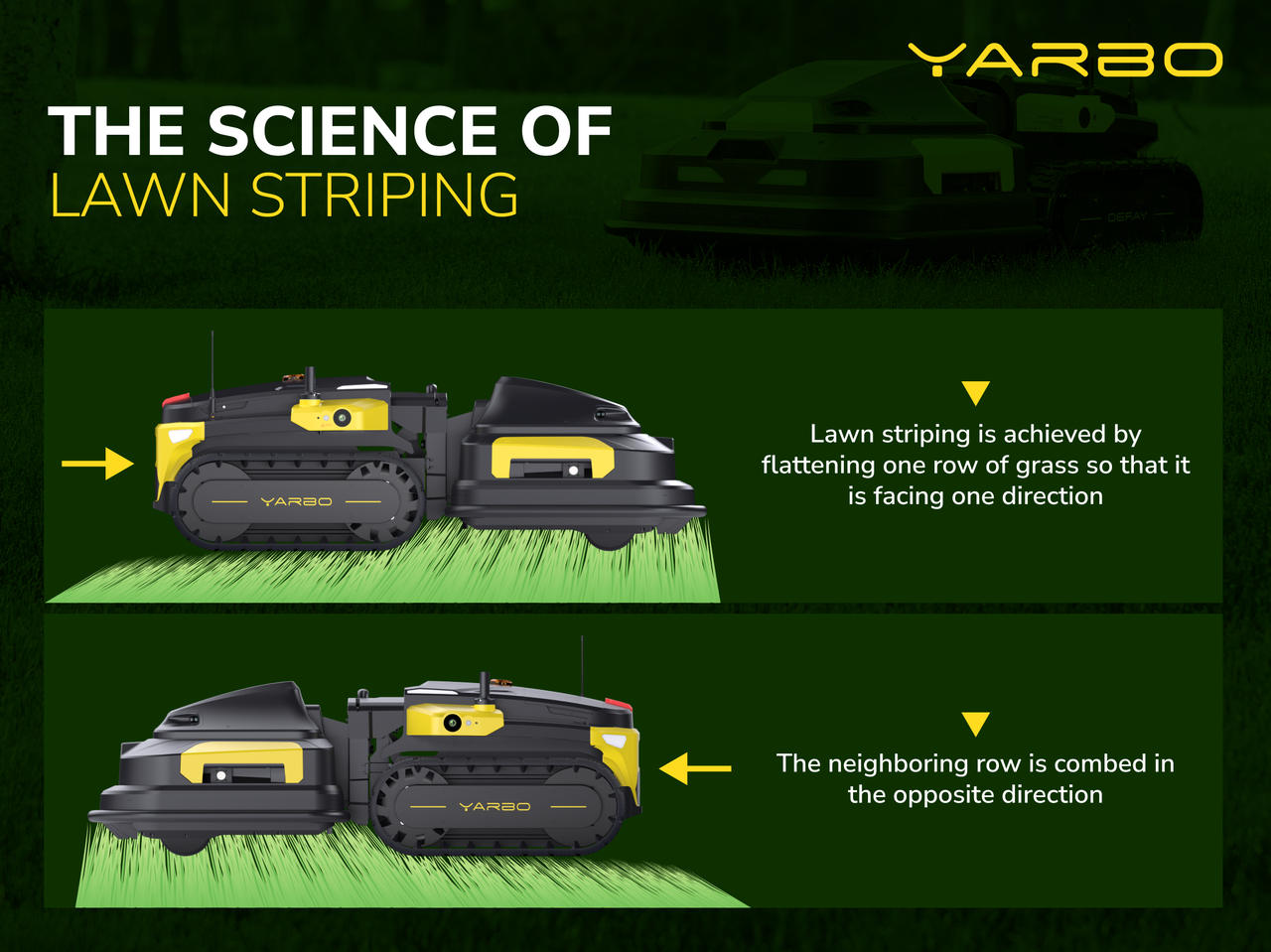
Credit: www.yarbo.com
Basic Principles Of Lawn Striping
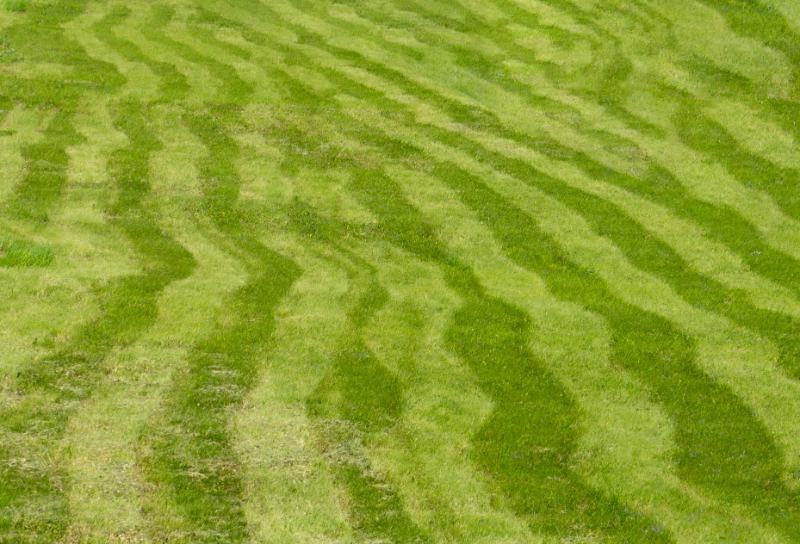
Lawn stripingcreates a striped look by bending grass blades in different directions. Light reflects differently off bent blades, making stripes visible. The effect depends on the angle of the sun and the way the grass bends.
Choosing the right grass typehelps stripes show well. Grasses like Kentucky bluegrassand perennial ryegrassare good for striping because their blades bend easily. Avoid grasses that are too short or thin.
For the ideal lawn conditions, keep grass healthy and cut at the right height. Grass should be at least 2 to 3 inches tall. Mow when the grass is dry and the soil is firm for best striping results.
Household Items For Lawn Striping
Simple household items like a broom, lawn roller, or garden hose can help create lawn stripes. Using everyday tools saves money and adds unique patterns to your grass easily.
Broomsrakescan help make stripes on your lawn. Push them in straight lines. Move in one direction. Then, change direction for the next line. This makes a pattern. Stripes will look neat and clean. Use a broom with long bristles for better results. lawn rollercan be costly. Use a big bucketfilled with sand instead. Roll it over the grass. This presses the grass down. It creates stripes. Tie a rope to pull it easily. Make sure it’s not too heavy. Create tools with items at home. Use a towelblanket. Drag them across the grass. This will press the grass down. Try using a cardboard boxwith weights inside. Move it like a roller. Experiment with different items for new patterns. `Step-by-step Lawn Striping Guide
Start by mowing the lawn evenly. The grass should be dry and clean. Use a broom or a stiff brush to flatten the grass in one direction. This helps create the stripe effect.
Use string or garden hoses to mark straight lines on the lawn. Make sure the lines are parallel and evenly spaced. This guides your path while striping.
Use household items like a lawn roller or a heavy board to press the grass blades down. Push or pull the item along the marked lines. The grass blades will bend, creating light and dark stripes.
Keep the patterns consistent by moving in the same direction for each stripe. Avoid overlapping or missing spots. Walk slowly and steadily to keep lines sharp and neat.
Tips To Improve Lawn Striping
Mowing in straight lineshelps create clear lawn stripes. Try to mow at the same height for uniform grass length. Use sharp mower blades for clean cuts, which make stripes stand out. Overlap each pass slightly to avoid gaps in stripes.
Water the lawn deeplybut less often. This encourages strong roots and a healthy lawn. Fertilize with balanced nutrients to keep grass green and thick. Avoid too much fertilizer; it can harm the lawn.
- Do not mow wet grass to prevent uneven stripes.
- Avoid mowing too short; it weakens the grass.
- Change mowing patterns weekly to reduce soil compaction.
- Do not use dull mower blades; they tear grass.
Creative Lawn Stripe Patterns
Checkerboard designscreate a neat, square pattern on the lawn. Use household itemslike a string and stakes to mark even squares. Mow every other square in opposite directions. The light and dark effect shows clearly. This pattern gives your lawn a tidy, classic look.
Diagonal stripesadd a fresh twist. Mark diagonal lines across the lawn using a garden hose or rope. Mow along these lines to form sharp, slanted stripes. This style makes your yard look bigger and more dynamic.
Curved and circular patternsbring soft, flowing shapes to your lawn. Use a round object like a bucket or a plate to trace circles with chalk or sand. Mow carefully along these curves to keep the shapes clear. This design adds a fun, creative touch to your yard.
Troubleshooting Lawn Striping Issues
Uneven stripes often happen due to inconsistent pressure or mower speed. Make sure to push or pull the lawn roller evenly. Check the grass length before striping; too long or too short grass can cause patchy stripes.
Damaged grass may appear after striping if the lawn is dry or weak. Water your lawn a day before and after striping to keep it healthy. Avoid rolling over the same spot multiple times to prevent damage.
| Lawn Size | Recommended Tool | Tip |
|---|---|---|
| Small (Under 500 sq ft) | Lightweight roller or homemade roller | Use gentle pressure to avoid damage |
| Medium (500-2000 sq ft) | Standard lawn roller or weighted roller | Maintain steady speed for even stripes |
| Large (Over 2000 sq ft) | Heavy-duty roller or tractor attachment | Work in sections for better results |

Credit: www.youtube.com
Credit: www.lawnstarter.com
Frequently Asked Questions
What Household Items Can Help Stripe A Lawn?
Common items like a garden rake, lawn roller, and string can help create lawn stripes. These tools bend grass blades to reflect light differently, forming striped patterns. Using household items saves money and allows easy DIY lawn striping without specialized equipment.
How Do I Create Straight Lawn Stripes Easily?
Use a string as a guide to maintain straight lines. Mark the lawn edges and roll or rake along the string path. This method helps keep stripes uniform and professional-looking by ensuring consistent direction and spacing between stripes.
Can I Stripe A Lawn Without A Lawn Mower?
Yes, you can use a garden rake or a homemade lawn roller. Raking bends grass blades, creating visible stripes. A DIY roller made from a barrel or pipe also works by pressing grass in alternating directions for striping effects.
How Often Should I Stripe My Lawn?
Stripe your lawn every 1-2 weeks during the growing season. Regular striping promotes healthy grass growth and maintains crisp patterns. Avoid striping when grass is wet or stressed to prevent damage and ensure clear stripes.
Conclusion
Striping a lawn with household items is simple and fun. You do not need special tools or machines. Just use items like a garden hose, string, or even a broom. These help create straight lines and patterns easily. A striped lawn looks neat and adds charm to your yard.
Try it yourself to enjoy a fresh, green space. Practice a bit, and you will improve each time. Your lawn can look great without spending extra money. Give it a try and see the difference today!





