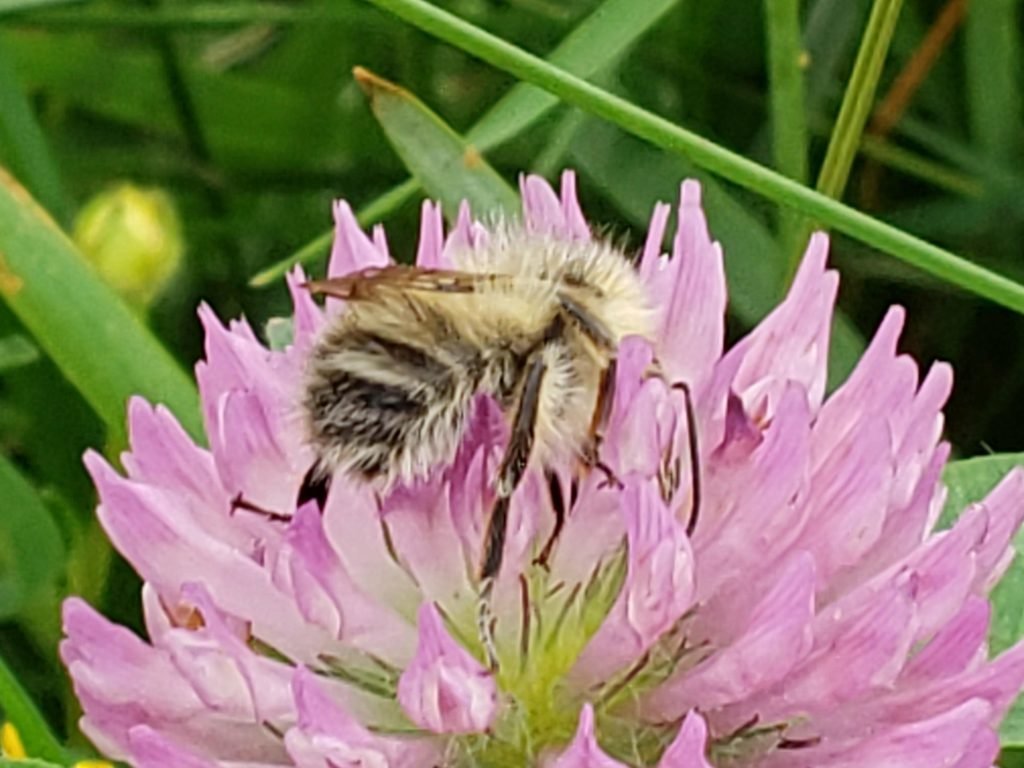
Your lawn can be a beautiful green space without harming the bees that help keep your garden alive. If you care about your yard and the tiny pollinators buzzing around, you might wonder how to mow your lawn without putting them in danger.
You don’t have to choose between a neat lawn and saving bees—you can do both. Keep reading, and you’ll discover simple, effective ways to protect these vital insects while keeping your grass looking great. Your garden—and the bees—will thank you.

Credit: www.canr.msu.edu
Importance Of Bees In Lawns
Bees play a vital role in pollination. They carry pollen from flower to flower, helping plants grow and produce seeds. Without bees, many plants would not survive.
Lawn ecosystems depend on beesfor balance. They support wildflowers and other plants that feed insects and animals. A healthy lawn includes bees and other small creatures living together.
- Bees help flowers bloom in your lawn.
- They support nearby gardens and crops.
- Bees boost the growth of plants by spreading pollen.
- Protecting bees means protecting your lawn’s health.
Choosing The Right Mower
Electric mowers are quieterand produce no fumes. This helps protect bees and other insects.
Gas mowers are usually strongerbut create more noise and pollution. This can disturb bees.
Choosing electric helps keep the lawn cleanwithout harming bees.
| Blade Type | Benefit | Safety Feature |
|---|---|---|
| Sharp Blades | Cut grass cleanly, less damage to plants | Blade guards prevent accidents |
| Dull Blades | Tear grass, can harm bees’ flowers | May increase risk of mower damage |
| Mulching Blades | Cut grass finely, helps soil | Safety switches stop blade quickly |
Best Mowing Times
Early morningsand late afternoonsare the best times to mow your lawn. Bees are less active during these hours. This reduces the chance of harming them.
Bees usually work from mid-morning to mid-afternoon. Avoid mowing during this time to keep bees safe. Quiet times mean fewer bees on flowers.
| Season | Best Mowing Times | Why |
|---|---|---|
| Spring | Early morning or late afternoon | Many flowers bloom, bees active midday |
| Summer | Early morning only | Bees are very active during day |
| Fall | Late afternoon | Bee activity slows down |
Mowing Techniques To Protect Bees
Setting the mower height is crucial. Keep the blades high. This helps protect flowers. Bees love flowers. Tall grass protects bees. It provides them with a safe space. Adjust your mower to the highest setting. This way, flowers remain safe. Bees can continue to visit them.
Mow slowly and carefully. Bees need time to move away. Fast mowing can harm them. Mowing slowly gives them a chance. Watch your mowing patterns. Avoid going over the same spot. This helps keep bees safe. Keep an eye out for bee activity. Change direction if needed. Protecting bees is important.
Creating Bee-friendly Lawn Zones
Leaving wildflower patchesin your lawn helps bees find food easily. These patches provide nectar and pollenthat bees need. They also create a safe space for bees to rest and gather resources. Wildflowers bloom at different times, so bees have food all season long.
Designating no-mow areasmeans parts of your lawn stay untouched. This protects bee habitats and lets flowers grow naturally. These zones act like bee-friendly gardensright in your yard. Avoiding frequent mowing reduces stress on bees and helps them thrive.
- Choose sunny spots for wildflower patches
- Mark no-mow zones with signs or markers
- Use native wildflowers for best bee support
- Keep mower blades high near bee areas
- Check for bee activity before mowing

Credit: www.yahoo.com
Alternative Lawn Care Practices
Using manual tools like hand mowersor shearsreduces harm to bees. These tools cut grass slowly and gently. They avoid sudden noise and fast blades that scare or hurt bees. Manual tools also let you control where to cut. This helps protect flowering plants where bees gather nectar.
Incorporating native plantsinto your lawn invites more bees. These plants provide food and safe spots for bees to live. Native flowers bloom at different times, offering bees fresh nectar all season. Choose plants that grow well in your area. This keeps your lawn healthy and bee-friendly.
- Manual tools cause less noise and damage.
- Native plants support bee health and numbers.
- Flowering plants give food and shelter to bees.
- Slow cutting protects bee habitats.
Additional Tips For Bee Safety
Avoid using pesticidesin your lawn care routine. Pesticides can harm bees and other pollinators. Choose natural or bee-friendly alternatives instead. This keeps your lawn safe and supports healthy bee populations.
Providing water sources helps bees stay hydrated. Place shallow dishes with water and small stones for bees to land on. Change the water daily to keep it fresh. This simple step can make a big difference for bees during hot days.

Credit: www.familyhandyman.com
Frequently Asked Questions
How Can I Protect Bees When Mowing My Lawn?
Mow your lawn during mid-morning or late afternoon when bees are less active. Avoid mowing flowers and patchy grassy areas where bees forage. Use sharp blades for a clean cut to reduce debris that can harm bees.
Why Should I Avoid Mowing Flowering Plants?
Flowering plants provide essential nectar and pollen for bees. Mowing them removes food sources and disrupts their habitat. Leaving flowers intact supports bee health and helps maintain a balanced ecosystem in your lawn.
What Mowing Techniques Are Safest For Bees?
Use slow, careful mowing to avoid harming bees. Mow less frequently and keep some areas wild with flowers. Choose electric or battery-powered mowers to reduce noise and pollution that can disturb bees.
When Is The Best Time To Mow For Bee Safety?
Mow your lawn when bees are less active, usually mid-morning after 10 AM or late afternoon before 4 PM. Avoid early mornings and midday when bee activity peaks to minimize bee disturbance.
Conclusion
Mowing your lawn carefully helps protect bees and their homes. Let flowers bloom before cutting to keep bees happy. Use a slow mower and avoid wet grass. Save patches of wildflowers for bees to gather food. Small actions make a big difference for nature.
Protecting bees supports plants, gardens, and food. Keep your lawn bee-friendly for a healthy environment. Every step counts toward saving these important pollinators.





