Have you ever wondered what happens if you don’t mow your lawn in summer? You might think skipping a few weeks won’t matter, but your grass has a story to tell.
Ignoring your lawn during these hot months can lead to surprising changes—some good, some not so much. If you want to keep your yard healthy and looking great, understanding what really happens when you let it grow wild is key.
Keep reading to find out the hidden effects on your lawn and how to avoid common mistakes that could cost you time and money later.

Credit: www.reddit.com
Lawn Growth Patterns In Summer
Grass grows very fast during summer because of warm temperaturesand long sunlight hours. These factors help grass use more energy to grow quickly.
Heat makes the grass grow taller, but it can also dry out the soil. Sunlight helps the grass make food through photosynthesis. Together, they create rapid growth.
- Warm temperatures:Speeds up grass growth.
- More sunlight:Increases energy for growth.
- Soil moisture:Needed to keep grass healthy.
Credit: sodlawn.com
Consequences Of Skipping Mowing
Grass that grows too tall can block sunlight and air from reaching the soil. This slows down growth and makes grass weak. Tall grass also traps moisture, which can cause mold and disease. It looks messy and may hide pests like bugs and rodents.
Thatch is a layer of dead grass and roots between soil and green grass. Too much thatch stops water, air, and nutrients from reaching roots. This makes grass unhealthy and more likely to dry out or die. Thatch buildup also makes the lawn uneven and hard to walk on.
- Weeds grow faster in tall, dense grass.
- Weeds compete with grass for water and nutrients.
- Some weeds spread seeds that make the problem worse.
- Weeds can attract unwanted insects.
Effects On Lawn Health
Not mowing in summer can cause reduced air and water flowin your lawn. Grass grows tall and thick, blocking sunlight and airflow. Water struggles to reach the roots, making the lawn dry and weak.
Increased pest and disease problemsoften follow. Tall grass creates a perfect home for bugs and fungi. These pests can damage your grass and spread quickly.
Grass roots also face stress. Without regular mowing, roots grow shallow and weak. This makes the grass less able to handle heat and drought during summer.
Aesthetic And Practical Impacts
Grass left unmowed in summer can grow tall and look messy, reducing your yard’s visual appeal. Thick, overgrown grass also blocks sunlight and air, harming lawn health and inviting pests.
Unkempt Appearance
Long grassmakes your lawn look messy and uncared for. Tall weeds can grow fast and take over the yard. This reduces curb appeal, making your home look less inviting.
Challenges For Lawn Maintenance
Grass left uncut can get hard to mowlater. Thick, tall grass strains lawn mowers and takes more time. Pests and bugs find hiding spots in dense grass. This makes future care tougherand more costly.
Safety Concerns
- Tall grasshides sharp objects or holes.
- It can attract snakes and rodents.
- Thick grass may increase fire risksin dry weather.
- Children and pets face more injury risksin overgrown yards.
Best Practices For Summer Lawn Care
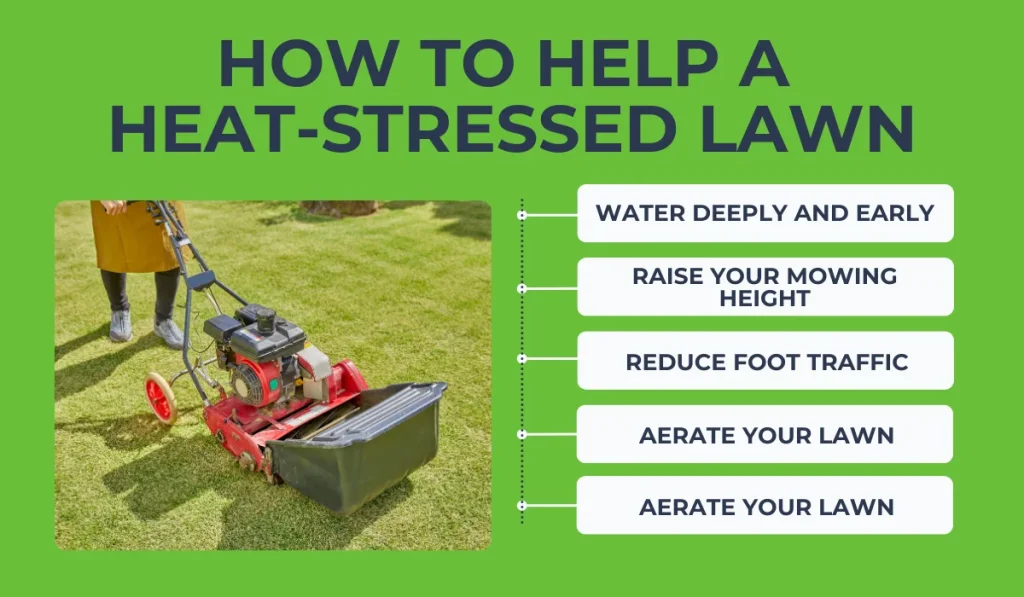
Mow the lawn every 7 to 10 days in summer. This keeps the grass healthy and strong. Grass can grow quickly in warm weather. Regular mowing helps maintain the lawn’s look. Too much grass can lead to pests and diseases.
Grass should be about 2 to 3 inches tall. Taller grass keeps the soil cool and moist. It also shades the roots. This helps the lawn stay green and healthy. Never cut more than one-third of the grass height at once.
- Water the lawn early in the morning.
- Use sharp blades for clean cuts.
- Avoid mowing when the grass is wet.
- Leave grass clippings to nourish the soil.

Credit: www.aol.com
Frequently Asked Questions
What Happens To Grass If You Don’t Mow In Summer?
Grass grows taller, becomes uneven, and can shade out lower blades. This slows growth and weakens the lawn’s health over time.
Does Not Mowing Affect Lawn Pests In Summer?
Yes, tall grass creates shelter for pests like ticks and mosquitoes, increasing their presence and potential damage to your lawn.
Can Skipping Summer Mowing Harm Soil Health?
Skipping mowing can lead to thatch buildup and reduced air circulation, which harms soil health and limits nutrient absorption.
How Does Unmowed Grass Impact Lawn Appearance?
Unmowed grass looks patchy, overgrown, and unkempt. It reduces curb appeal and makes the lawn less inviting and harder to maintain.
Conclusion
Skipping summer mowing can harm your lawn’s health and look. Tall grass blocks sunlight and traps moisture. This invites pests and diseases to grow. Weeds also spread faster without regular cutting. Short, healthy grass stays strong and green. Mowing keeps your yard neat and prevents problems.
Taking care of your lawn helps it survive summer heat. Simple mowing habits make a big difference in lawn care. Keep your grass trimmed to enjoy a fresh, healthy yard.





