Imagine your lawn turning heads with a stunning waves pattern that looks both natural and artfully designed. You might think this kind of effect is only for professionals or requires special tools, but that’s not true.
You have the power to transform your grass into a flowing masterpiece that catches every eye. You’ll discover simple, clear steps to create beautiful waves in your grass. Whether you want to impress guests or just enjoy a unique outdoor space, this guide is made just for you.
Ready to make your lawn the talk of the neighborhood? Let’s dive in.
Choosing The Right Grass Type
Choosing the right grass is key for a waves pattern. Grass types vary in texture and height. Some grasses grow thick and soft, while others are thin and stiff. The best grass for patterns bends easily to form smooth waves.
Here are some best grass varietiesfor making patterns:
- Bermuda grass:Grows dense and recovers fast from mowing.
- Zoysia grass:Soft blades that hold shapes well.
- Fescue grass:Fine texture and stays green in cool weather.
Climate plays a big role in grass choice. Warm climates suit Bermuda and Zoysia. Cooler places do better with Fescue. Choose grass that matches your local weatherfor best results.

Credit: customlawn.com
Tools And Equipment Needed
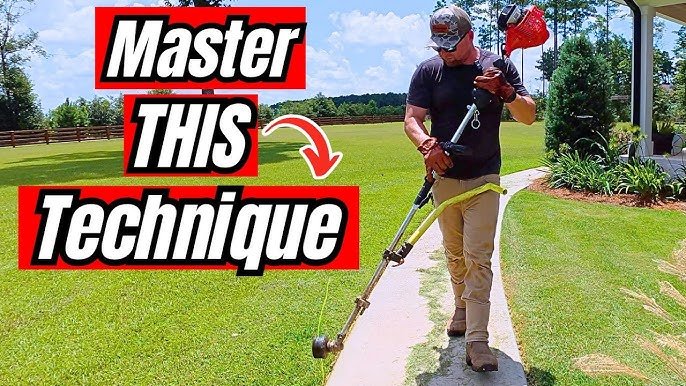
Creating wave patterns in grass needs the right tools and equipment. Choose mowersand trimmersthat can handle precise cutting. A lawn mower with adjustable height settings works best for shaping waves. Trimmers help reach edges and tight spots to keep the pattern clean.
Marking and measuring toolsare very important. Use stakes and string to map out the wave design on the grass. A tape measure ensures even spacing between waves. Chalk or spray paint can mark the lines before cutting. These tools help keep your pattern accurate and neat.
Planning Your Wave Design
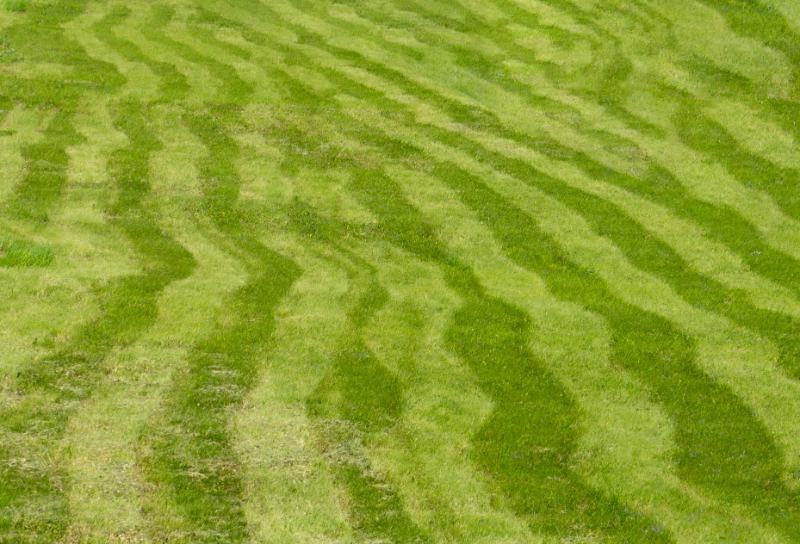
Start by drawing your wave pattern on paper. Simple lines help visualize the design. Use a pencil to adjust curves easily. Keep the waves smooth and flowing for a natural look.
Measure your lawn’s width and length. Scale your sketch to match these dimensions. This helps in transferring the design accurately outdoors. Use a grid or graph paper for better scaling.
| Step | Action | Tip |
|---|---|---|
| Sketching | Draw wave shapes on paper | Keep lines smooth and simple |
| Scaling | Match sketch size to lawn | Use measurements and grid paper |
Credit: www.lawnstarter.com
Preparing The Lawn Surface
Use a good lawn mower for clean cuts. Adjust the mower height for your grass type. Cut the grass evenly across the lawn. This helps the waves look neat. Make sure the mower blades are sharp. Dull blades tear the grass and harm it. Keep your mower clean and well-maintained.
Healthy soil and grass are very important. Add nutrients to the soil for strong grass. Use fertilizers that are safe for grass. Water the lawn regularly, but not too much. Too much water can harm the roots. Check the soil for pests and weeds. Remove weeds by hand or use safe weed killers. Healthy grass grows better and makes better waves.
Creating The Wave Pattern
Start by mowing the grass in straight lines to create a smooth base. Use a sharp mower blade for clean cuts. After that, plan the wave pattern by marking curved lines with a string or garden hose. Follow these curves carefully while mowing to achieve the wave effect.
Slow down and keep your mower steady when mowing curves. Overlap each pass slightly for a neat look. Mow in the same direction along each curve to keep the grass blades bending consistently.
- Use wide, gentle curves for a soft wave.
- Tight curves create sharper waves.
- Practice the pattern without cutting first to get comfortable.
- Adjust speed to maintain control on curves.
Curved lines help the grass blades catch light differently. This difference creates the visible wave pattern. The key is to bend the grass blades smoothly, not break them.
Credit: www.gardeningknowhow.com
Maintaining The Pattern
Keep a regular mowing scheduleto maintain the waves pattern in your grass. Mow the lawn at the same height each time. This helps the grass blades bend uniformly, making the wave effect clear and smooth. Avoid cutting too short; it can stress the grass and ruin the pattern.
For lawn wear and tear, focus on high-traffic areas. These spots may lose grass faster and break the wave flow. Reseed or patch these areas promptly. Consider using lawn protectors or stepping stones to reduce damage. Rotate walking paths to spread wear evenly.
- Mow often, but never too short
- Fix bare spots quickly
- Use lawn care tools gently
- Water and fertilize regularly
- Avoid heavy foot traffic on patterns
Enhancing The Design
Use bright flowerslike marigolds or petunias to add color. Plant them along the wave edges to highlight the pattern. Choose plants with different heightsfor more depth and interest.
Soft lighting can make the waves visible at night. Place small garden lights along the curves. Solar lights work well and are easy to install.
Colored lights can create a magical effect. Use warm tones for a cozy feel or cool tones for a modern look.
Frequently Asked Questions
How Do You Start Creating Waves Pattern In Grass?
Begin by selecting a large, flat grassy area. Use a string or rope to map out wave shapes. Mow along these lines with a lawn mower to form the basic wave pattern. Consistency in mowing direction enhances the wave effect.
What Tools Are Needed For Grass Wave Patterns?
You need a lawn mower, string or rope, stakes, and a measuring tape. These tools help you mark and maintain precise wave shapes. Optional tools include a garden hose for curved lines and a trimmer for clean edges.
How Often Should You Mow To Maintain Grass Waves?
Mow your grass waves weekly during the growing season. Regular mowing keeps grass height uniform and the pattern visible. Avoid cutting more than one-third of grass height at once to prevent damage.
Can Any Grass Type Show Wave Patterns?
Most grasses can display wave patterns, but smooth, dense types work best. Bermuda, fescue, and ryegrass are ideal due to their growth and texture. Avoid patchy or uneven grasses for a clearer wave effect.
Conclusion
Creating waves pattern in grass adds beauty and style to your lawn. It takes patience and careful cutting to get smooth curves. Regular care keeps the pattern clear and fresh. Enjoy the unique look that makes your yard stand out.
Try different wave shapes to find what suits your space best. With practice, your grass waves will look neat and inviting. Keep your tools sharp and your vision clear. Simple steps lead to great results in lawn design. Your effort will bring a relaxing and charming outdoor space.





