Have you ever wondered if mowing your lawn in the rain is a good idea? You might think it’s harmless or even helpful, but the truth could surprise you.
Your lawn’s health, your safety, and the quality of your mowing all depend on this simple choice. Before you grab that mower next time the skies open up, keep reading to discover what really happens when you mow wet grass—and how it can affect your beautiful yard.
Don’t risk your lawn’s future without knowing the facts!
Risks Of Mowing Wet Grass
Mowing wet grasscan harm your lawn in many ways. Wet blades get cut unevenly, causing stress to the grass. This makes the lawn weaker and more prone to disease. The soil also gets compacted when heavy equipment rolls over it while wet. This blocks air and water from reaching roots.
Slippery grass increases risk of slipping and fallingfor the person mowing. Wet surfaces can also cause tools to slip, leading to injuries. It is harder to control the mower safely on wet ground.
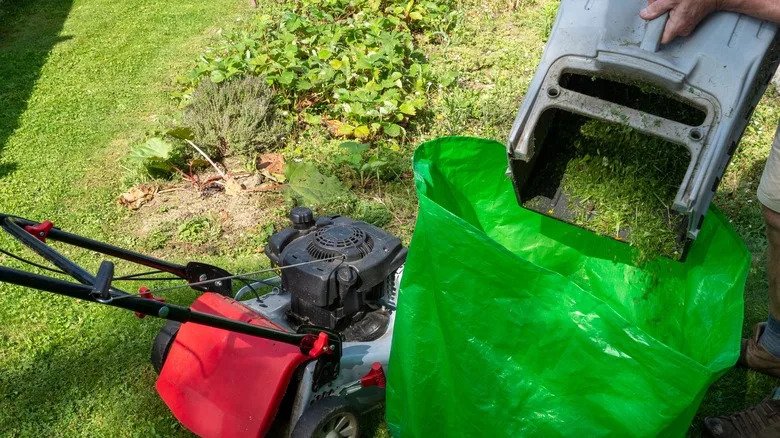
Wet grass can clog mower blades and decks, causing equipment damage. The mower may stall or wear out faster. Wet grass clippings can build up and block airflow, making the mower less effective.

Credit: navimow.segway.com
Benefits Of Waiting To Mow
Waiting to mowafter rain helps keep the soil healthy. Wet soil gets squished easily by the mower. This compacts the soil, making it hard for grass roots to grow well. Grass needs loose soil for air and water to reach roots.
Mowing wet grass can make the cut uneven. Grass blades may bend or clump together. This leads to a poor cut quality. Dry grass cuts cleanly and looks neat. It also helps the lawn grow better.
- Wet grass spreads fungus and diseasesfaster.
- Mowing dry grass lowers this risk.
- Healthy grass fights off diseases easier.
When To Mow After Rain
Check the soil moisture before mowing. If the soil feels soft or muddy, wait longer. Wet soil can cause lawn damage and make mowing harder. Walk on the grass; if footprints stay, the ground is too wet.
Ideal weather for mowing is dry and mild. Avoid mowing during or right after heavy rain. Dry weather helps the grass cut cleanly and prevents clumping.
- Mow late morning or early afternoon to let dew dry.
- Avoid mowing in the evening when grass stays wet longer.
- Choose a dry day with little wind for best results.
Tips For Mowing In Damp Conditions
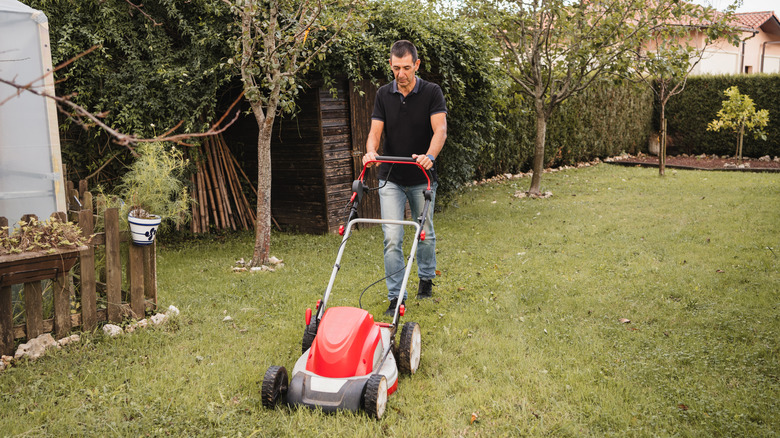
Mowing a lawn in rain can cause clumping and damage to grass. Wait for lighter drizzle and use a sharp blade for cleaner cuts. Walk slowly to avoid slipping and reduce ruts in wet soil.
Using The Right Mower Settings
- Use a high-power mower for wet grass.
- Ensure blades are sharp to cut efficiently.
- Choose mowers with a wide deck for quick mowing.
Adjusting Cutting Height
Set the mower to a higher cutting height when grass is wet. This helps prevent clogging and uneven cuts. Wet grass is heavier and taller settings make it easier to manage. The mower works less hard, reducing stress on the motor.
Cleaning Equipment Post-mow
Always clean the mower after mowing wet grass. Remove all clippings stuck under the deck. Wet grass can cause rust and damage if left. Dry the mower thoroughly before storing it. This will keep your equipment in top shape for future use.
Alternatives To Mowing In Rain
String trimmers work well on wet grass. They cut grass without needing a full mower. Easy to hold and use on small areas. They help avoid clumps that wet mowing causes. Perfect for edges and tricky spots where mowers can slip.
Manual lawn care includes raking and hand-pulling weeds. These methods keep your lawn tidy without machines. Good for light work on rainy days. Also helps keep your lawn healthy by removing dead grass.
Plan lawn care around the weather. Check forecasts to avoid mowing in rain. Mow right before rain to keep grass neat. This saves your mower and prevents damage. Regular care keeps your lawn green and strong.
Credit: www.housedigest.com

Credit: www.aol.com
Frequently Asked Questions
Is It Safe To Mow The Lawn In The Rain?
Mowing wet grass can be unsafe due to slippery conditions and poor traction. It increases the risk of injury and damage to equipment. It’s best to wait until the lawn dries to ensure safety and a clean cut.
What Happens If You Mow Wet Grass?
Mowing wet grass can cause uneven cuts and clumping. It may lead to lawn damage and promote fungal growth. Wet grass clogs the mower, reducing efficiency and increasing maintenance needs.
How Does Rain Affect Lawn Mowing Quality?
Rain makes grass blades heavy and slippery, resulting in uneven mowing. Wet grass tends to bunch up, leaving clumps behind. Mowing after rain often leads to poor lawn appearance and potential mower damage.
Can Mowing Wet Grass Harm My Lawn Mower?
Yes, mowing wet grass can clog mower blades and engine parts. It puts extra strain on the motor and can cause rust. Regularly mowing wet lawns shortens the mower’s lifespan and increases repair costs.
Conclusion
Mowing the lawn in rain can cause problems. Wet grass clumps and can clog your mower. It also makes your lawn uneven and can damage the soil. Waiting for dry weather helps keep your grass healthy. Choose a dry day to mow for best results.
Taking care of your lawn helps it grow strong. A little patience goes a long way in lawn care. Keep your grass looking great by mowing at the right time.





