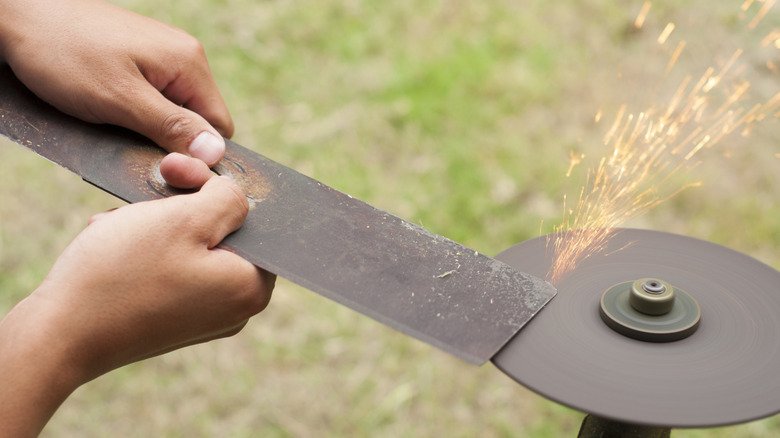
Is your lawn mower not cutting as smoothly as it used to? The problem might be your blade sharpening technique.
Sharpening your lawn mower blade is essential for a clean, healthy lawn, but making mistakes during this process can damage your mower and even harm your grass. If you want to save time, avoid costly repairs, and keep your yard looking its best, you need to know what to watch out for.
Keep reading to discover the common lawn mower blade sharpening mistakes you must avoid—and how to sharpen like a pro every time.

Credit: www.yahoo.com
Common Sharpening Errors
Sharpening your lawn mower blade sounds straightforward, but many make avoidable mistakes that reduce cutting efficiency and even damage the blade. Understanding these common errors can save you time and keep your mower performing at its best. Let’s look at the pitfalls you should watch out for during the sharpening process.
Using The Wrong Tools
Choosing the correct tools is crucial. Using a dull file instead of a proper sharpening stone or a grinder with the wrong grit can ruin your blade’s edge. I once tried sharpening a blade with a standard metal file and ended up with a jagged edge that tore the grass rather than cut it cleanly.
Invest in a quality bench grinder or a hand-held sharpening tool designed for mower blades. Using the right equipment ensures a smooth, even edge and saves you from unnecessary frustration.
Overheating The Blade
It’s easy to get carried away when sharpening and let the blade heat up too much. Overheating changes the metal’s temper, making it brittle and prone to cracking. I learned this the hard way when my blade developed small fractures after being sharpened too aggressively.
To avoid this, sharpen in short bursts and frequently dip the blade in water to cool it down. Ask yourself: Is the blade getting hot to the touch? If yes, pause and cool it before continuing.
Uneven Sharpening
Uneven sharpening results in poor cutting and vibration during mowing. If one side is sharper or more angled than the other, your mower won’t cut straight. I noticed my lawn looked patchy after sharpening one side more than the other.
Keep the angle consistent on both edges by marking the blade before you start. Use a guide or angle indicator to maintain uniformity. It’s a small step that makes a huge difference in performance.
Ignoring Blade Balance
After sharpening, many skip checking the blade’s balance, but this is a critical step. An unbalanced blade causes excessive vibration and can damage your mower. I’ve had blades that looked perfect but made the mower shake badly because I didn’t balance them afterward.
Use a blade balancer or hang the blade on a nail to see if one side dips lower. If it does, remove a bit more metal from that side. Balanced blades give smoother cuts and extend your mower’s life.

Credit: www.mowmore.com
Preparing The Blade
Preparing the blade is a crucial step before sharpening your lawn mower blade. Skipping or rushing through this stage can lead to poor results or even damage to your mower. Taking the time to properly prepare ensures a safer and more effective sharpening process.
Removing Dirt And Debris
Before you start sharpening, clean the blade thoroughly. Dirt, grass clippings, and rust can dull your tools quickly and affect the quality of the sharpening.
Use a stiff brush or a wire brush to remove debris. If the blade is especially grimy, a little soapy water and a scrub pad can help, but make sure to dry it completely before moving on.
Have you ever tried sharpening a blade covered in gunk? It’s frustrating because the buildup hides damage and prevents a smooth edge.
Checking For Damage
Inspect the blade carefully for cracks, bends, or excessive wear. Sharpening a blade with hidden damage can make the problem worse or even cause it to break during use.
Look closely at the edges and the center hole. Small nicks can be sharpened out, but deep cracks or major bends usually mean it’s time to replace the blade.
Ask yourself: Is the blade safe to use after sharpening, or could it pose a risk? Safety should always come first.
Securing The Blade Properly
Before you start grinding or filing, make sure the blade is firmly secured. A loose blade can slip, causing injury or uneven sharpening.
Clamp the blade in a sturdy vise or secure it on a solid work surface. Double-check that it doesn’t move when you apply pressure.
Think about how you hold your tools when doing precision work. Would you trust a blade that shifts under your hands? Proper securing is non-negotiable for both safety and quality.
Sharpening Techniques
Proper sharpening techniques keep lawn mower blades effective and safe. Using the right method avoids damage and extends blade life. Focus on angle, consistency, and material removal for best results. These factors ensure a clean, sharp edge that cuts grass evenly.
Choosing The Right Angle
Maintaining the correct sharpening angle is crucial. Most blades require a 30 to 45-degree angle. Check your mower’s manual for exact specifications. Holding the file or grinder at the wrong angle dulls the blade faster. Consistency in angle creates a sharper and longer-lasting edge.
Consistent Grinding
Apply even pressure when grinding or filing the blade. Uneven grinding causes an unbalanced blade and poor cutting performance. Move the tool smoothly across the blade’s edge. Sharpen both sides equally to maintain blade balance. Stop frequently to check your progress for uniform sharpness.
Avoiding Excessive Material Removal
Remove only the metal needed to restore sharpness. Taking off too much weakens the blade and shortens its life. Over-sharpened blades can become thin and prone to bending. Aim for a clean edge without changing the blade’s original shape or thickness. Less is more with blade sharpening.

Credit: www.yahoo.com
Safety Precautions
Always disconnect the lawn mower spark plug before sharpening blades to prevent accidental starts. Wearing gloves protects your hands from sharp edges and metal fragments. Use proper tools and work in a well-lit area to avoid injuries.
Safety is paramount when sharpening lawn mower blades. Overlooking simple precautions can lead to accidents that are easily avoidable. Paying attention to safety not only protects you but also ensures a more efficient sharpening process.Wearing Protective Gear
Don’t underestimate the importance of protective gear. Always wear gloves to protect your hands from sharp edges. Safety glasses are a must to shield your eyes from metal shards or debris. Long sleeves and sturdy footwear add an extra layer of protection. Remember, even a brief encounter with a blade can cause injury. Gear up properly to minimize risks.Disconnecting Power Source
Before you start, ensure the mower is off and unplugged. This applies to both electric and gas-powered mowers. Removing the spark plug cable adds another layer of safety. A sudden start can cause serious injury. Double-checking the power source status might seem trivial, but it’s a critical step you shouldn’t skip.Handling Blades Carefully
Handling blades requires caution and respect. Always hold blades from the center, avoiding the sharp edges. Use a secure grip to prevent slips. Consider using a blade clamp or a vice for stability while sharpening. A stable blade reduces the risk of accidents. Are you mindful of how you handle each blade? Your focus can make all the difference.Maintaining Sharp Blades
Maintaining sharp blades is key to a clean, efficient cut that keeps your lawn healthy. Dull blades tear grass rather than cut it, causing stress and increasing vulnerability to disease. Paying attention to blade care can save you time and money, and it makes your mowing job easier.
Regular Inspection
Checking your mower blades regularly helps catch dullness or damage early. Look for nicks, bends, or uneven edges before each mowing session. Imagine starting a task and realizing halfway through that your tools aren’t ready—why risk that with your mower?
Make a habit of wiping the blades clean and examining them closely. If you spot any issues, don’t wait for them to worsen. Catching problems early keeps your mower working smoothly and your lawn looking sharp.
Timely Sharpening
Sharpen blades as soon as you notice they’re not cutting cleanly. Waiting too long can tear grass and strain your mower’s engine. Think of blade sharpening like sharpening a pencil—you wouldn’t write with a dull tip, so why mow with a dull blade?
Keep track of your mowing frequency and sharpen blades after about 20-25 hours of use. If your lawn has thick or tall grass, more frequent sharpening may be necessary. Timely sharpening ensures every cut is smooth and helps your lawn recover faster.
Proper Storage
How you store your mower blades affects their sharpness. Leaving blades exposed to moisture or dirt can cause rust and dullness. After cleaning and sharpening, store your mower in a dry place and, if possible, remove the blades for separate storage.
Using blade covers or wrapping them in a cloth can also protect the edges. Think about how you store your kitchen knives—proper care extends their life, and mower blades deserve the same attention. Have you checked your storage setup lately?
Signs You Need Sharpening
Knowing when to sharpen your lawn mower blade saves time and improves lawn health. Dull blades cut unevenly and tear grass. This damages your yard and strains the mower. Watch for clear signs your blade needs attention. Early action keeps your mower working well.
Uneven Cuts
Uneven cuts show the blade is dull or damaged. The grass looks patchy and rough. Some areas appear longer, others shorter. This happens because the blade cannot slice cleanly. A sharp blade cuts grass evenly at one height.
Torn Grass
Torn grass blades turn brown and dry quickly. Dull blades rip rather than cut the grass. Torn edges allow disease and pests to enter easily. Sharp blades make clean cuts, keeping grass healthier and greener.
Increased Effort While Mowing
It feels harder to push or operate the mower. The engine works longer to cut the grass. Dull blades cause more resistance in the grass. A sharp blade glides smoothly, making mowing easier and faster.
Frequently Asked Questions
How Often Should I Sharpen Lawn Mower Blades?
Sharpen lawn mower blades at least once every 20-25 hours of use. Frequent sharpening ensures clean cuts and healthy grass. Dull blades tear grass, causing damage and uneven mowing. Regular maintenance improves lawn mower efficiency and prolongs blade life.
What Tools Are Best For Sharpening Mower Blades?
Use a bench grinder, sharpening stone, or a file for best results. Power tools speed up the process but require care. Always wear safety gear like gloves and eye protection. Proper tools ensure sharp, balanced blades and safer sharpening.
Can Dull Blades Damage My Lawn Mower?
Yes, dull blades strain the mower engine and reduce cutting efficiency. They cause uneven grass cuts and increase fuel consumption. Sharp blades ensure smooth operation and extend mower lifespan. Regular sharpening prevents costly repairs and lawn damage.
Why Is Blade Balancing Important After Sharpening?
Balanced blades prevent vibrations that can damage the mower. Unbalanced blades cause uneven cuts and excessive wear on mower parts. Always check blade balance using a blade balancer after sharpening. Balanced blades ensure a smooth, efficient mowing experience.
Conclusion
Sharpening lawn mower blades needs care and attention. Avoid dull edges to keep your lawn healthy. Always balance blades after sharpening for smooth cuts. Use the right tools and protect your hands. Take your time; rushing can cause mistakes. Regular blade care saves money and effort.
Keep these tips in mind for better mowing results. A sharp blade means a cleaner, safer lawn. Stay careful and enjoy a well-maintained yard all season.





