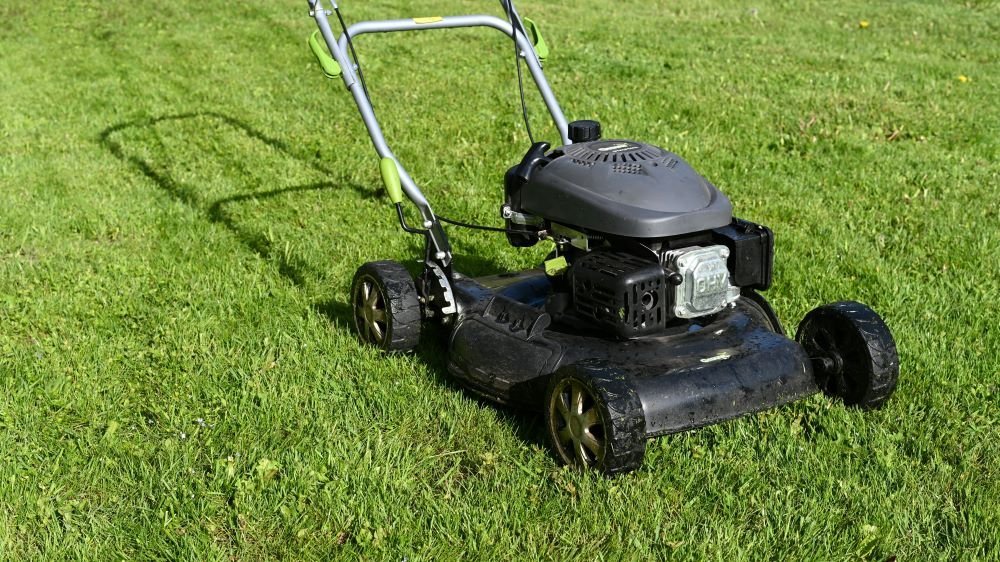
Is your mower battery running low just when you need it most? You don’t have to wait hours to get back to work.
Imagine charging your mower battery fast and getting back to mowing your lawn without long delays. You’ll discover simple, effective tips to speed up the charging process safely. Whether you’re in a hurry or just want to keep your mower ready, these easy steps will save you time and frustration.
Keep reading to power up your mower battery quickly and get back to what matters most.
Choose The Right Charger
Choosing the right charger is crucial to speed up the charging process for your mower battery. Using an incompatible or slow charger not only wastes time but can also damage the battery. You want a charger that suits your battery’s needs and boosts charging efficiency without risking safety.
Match Charger To Battery Type
Different mower batteries require different chargers. Lead-acid, lithium-ion, and nickel-cadmium batteries all have unique charging needs. Using a charger designed for a different battery type can cause poor performance or even damage.
Check your mower’s manual or battery label to identify the exact battery chemistry. Once you know this, pick a charger specifically made for that type. For example, a lithium-ion battery charger uses a different charging curve compared to a lead-acid charger.
Have you ever tried charging a lithium battery with a lead-acid charger? The battery might not charge fully or could overheat. Ensuring the charger matches your battery type is a simple step that saves you time and protects your equipment.
Look For Fast Charging Features
Not all chargers charge at the same speed. Some come with fast charging capabilities that can significantly reduce your waiting time. Look for chargers with higher amperage and smart charging technology.
Smart chargers adjust the charging rate based on the battery’s condition, preventing overcharging while speeding up the process. Chargers with quick charge modes provide a rapid boost but often switch to a slower, safer charge as the battery nears full capacity.
Ask yourself: do you need your mower battery ready in minutes or can you wait hours? If speed matters, invest in a charger with features like pulse charging, temperature control, and automatic shut-off. These options keep your battery healthy while charging faster than basic models.

Credit: batteryclerk.ca
Prepare The Battery
Preparing the mower battery before charging is crucial for faster and safer charging. A clean and healthy battery accepts charge more efficiently. Neglecting preparation can reduce battery life and charging speed.
Clean Battery Terminals
Battery terminals often gather dirt and corrosion. This buildup blocks the flow of electricity. Use a wire brush or sandpaper to clean the terminals gently.
Follow these steps for cleaning:
- Disconnect the battery cables, starting with the negative terminal.
- Brush away corrosion using a wire brush or sandpaper.
- Wipe terminals with a clean cloth to remove debris.
- Apply a thin layer of petroleum jelly to prevent future corrosion.
- Reconnect the cables, starting with the positive terminal.
Check Battery Health
A battery in poor health will charge slowly or not at all. Use a multimeter to check the voltage. Healthy mower batteries usually have 12.6 volts or more.
Look for these signs of battery problems:
- Swollen or leaking battery case
- Cracks or damage on the battery surface
- Low voltage reading below 12 volts
Replace the battery if it shows serious damage or very low voltage. Healthy batteries charge faster and last longer.
Optimize Charging Conditions
Optimizing the conditions under which you charge your mower battery can significantly speed up the process and extend the battery’s life. Small changes in the environment and how you manage the charging can make a big difference. Paying attention to these details helps you get your mower ready faster and keeps the battery healthy over time.
Charge In A Cool, Dry Place
Temperature plays a crucial role in charging speed and battery health. Charging your mower battery in a cool, dry place prevents overheating, which can slow down the charging process or even damage the battery.
If the room is too hot, the battery’s internal chemistry struggles to handle the charge efficiently. On the other hand, extremely cold areas can also reduce charging speed. Aim for a temperature between 50°F and 77°F (10°C to 25°C) for the best results.
Think about where you usually store your mower and charger. Is it a damp garage or a sunny shed? Moving your charging setup to a more controlled environment could save you hours of waiting.
Avoid Overcharging
It might seem like leaving your battery on the charger longer will boost its power, but overcharging does more harm than good. Excessive charging can cause the battery to overheat and degrade faster, reducing its overall lifespan.
Many modern chargers have automatic shutoff features to prevent this. If yours doesn’t, consider using a timer or a smart charger that stops when the battery is full.
Monitoring your charging time and disconnecting once the battery is fully charged can prevent unnecessary wear. How often do you check your battery’s charge level? This simple habit can protect your investment and save you money in the long run.

Credit: www.batteriesplus.com
Use Fast Charging Techniques
Charging your mower battery quickly is essential for uninterrupted gardening. Using fast charging techniques can significantly reduce downtime. These methods ensure your mower is ready when you need it.
Apply Pulse Charging
Pulse charging sends small energy bursts to the battery. This method helps reduce charging time. It also prevents battery overheating, extending battery life. Regular pulses maintain a stable temperature. This stability ensures the battery charges efficiently. Pulse charging is a reliable method for a quick charge.
Utilize Smart Chargers
Smart chargers are designed for efficiency and speed. They automatically adjust the charging rate. This ensures the battery receives optimal power without overcharging. Smart chargers monitor the battery’s condition. This monitoring helps in maintaining battery health. They are easy to use, making them ideal for quick charging. Smart chargers adapt to different battery types, ensuring versatility.
Safety Measures During Charging
Charging a mower battery quickly requires careful attention to safety. Batteries can be dangerous if not handled properly. Following safety measures protects you and your equipment during the charging process.
Monitor Charging Progress
Keep a close eye on the battery while charging. Check the charger display often to see the current status. Stop charging immediately if the battery gets too hot or starts to swell. Avoid overcharging, as it can damage the battery and cause hazards. Use a charger with an automatic shutoff feature for added safety.
Handle Batteries With Care
Always wear gloves and eye protection when handling mower batteries. Batteries contain acid that can cause burns or injury. Place the battery on a stable, non-flammable surface during charging. Avoid dropping or shaking the battery to prevent leaks or damage. Store batteries away from children and pets, in a cool and dry area.

Credit: manlybattery.com
Maintain Battery For Longevity
Maintaining your mower battery is key to keeping it healthy and lasting longer. Proper care helps the battery hold charge better and avoids frequent replacements. Small habits can make a big difference in battery life.
Regularly Check Battery Levels
Check the battery charge often. Use a voltmeter or a battery tester to see the voltage. Low levels can harm the battery over time. Charge the battery when it drops below the recommended voltage. Avoid letting the battery drain completely. This keeps the battery active and ready to use.
Store Batteries Properly
Store the battery in a cool, dry place. Avoid places with extreme heat or cold. High temperatures can cause battery damage. Cold temperatures may reduce the battery’s ability to charge. Remove the battery from the mower if you won’t use it for weeks. Keep the battery on a partial charge during storage. Check and recharge the battery every few weeks to prevent deep discharge.
Frequently Asked Questions
How Can I Charge My Mower Battery Quickly?
Use a high-quality, compatible charger with fast charging features. Ensure the battery is clean and dry. Charge in a warm, ventilated area. Avoid overcharging to protect battery life.
What Is The Best Charger For A Mower Battery?
Choose a smart charger with automatic shut-off and multiple charging modes. It prevents overcharging and extends battery life. Match the charger voltage to your mower battery.
Can I Use A Car Charger To Charge Mower Batteries?
No, car chargers usually provide higher voltage and current. Using them can damage mower batteries. Always use chargers designed specifically for lawn mower batteries.
How Long Does It Take To Fully Charge A Mower Battery?
Charging time varies by battery type and charger. Typically, it takes 2 to 6 hours. Using a fast charger can reduce this time significantly.
Conclusion
Charging your mower battery fast saves time and keeps you working. Use the right charger for your battery type. Keep battery terminals clean and tight for better connection. Charge in a dry, cool place to avoid damage. Check the battery often to know its charge level.
Follow these simple steps to get your mower ready quickly. A well-charged battery means a smoother mowing experience. Stay safe and take care of your battery regularly. Your mower will thank you with reliable power every time.





