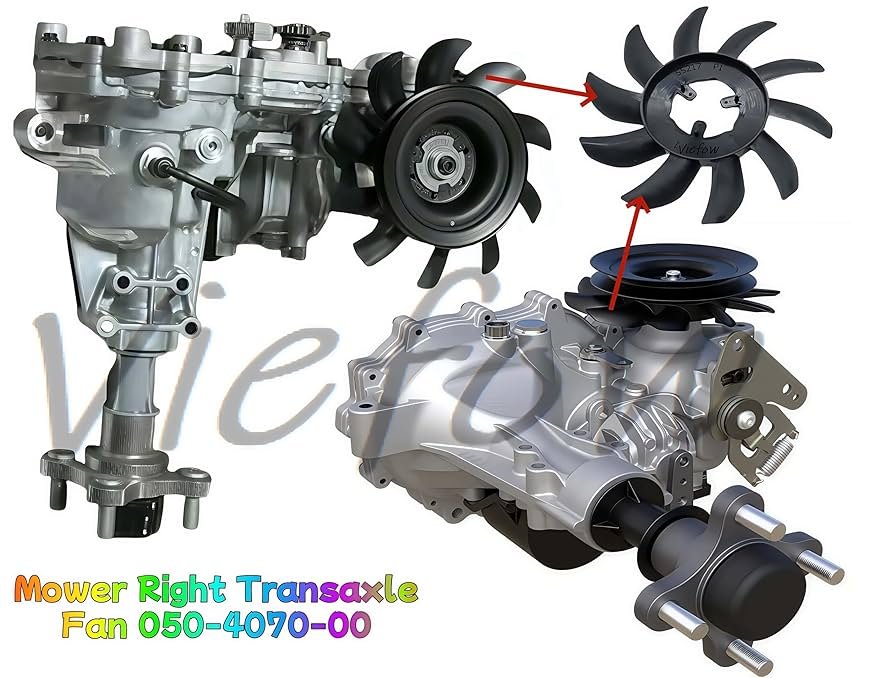
Are you curious about what makes your zero turn mower so quick and easy to steer? The secret lies in its transmission.
Understanding the type of transmission your mower uses can help you get the best performance, save money on maintenance, and even extend its lifespan. Whether you’re a new owner or thinking about buying one, knowing this key feature will empower you to make smarter choices.
Keep reading to discover everything you need to know about transmissions in zero turn mowers—and how it affects your mowing experience.
Types Of zero turn mower Transmissions
Choosing the right transmission for your zero turn mower can make a huge difference in how smoothly and efficiently you cut your lawn. Transmissions control the mower’s movement and speed, so understanding the types available helps you pick one that fits your needs and terrain. Let’s break down the main types of zero turn mower transmissions and what sets each apart.
Hydrostatic Transmissions
Hydrostatic transmissions use fluid pressure to transfer power from the engine to the wheels. This system offers smooth speed changes without shifting gears, making it easy to maneuver around obstacles.
If you value precision and effortless control, hydrostatic is a great choice. Many professional landscapers prefer it because it handles variable terrain well and reduces wear on parts. Have you noticed how some mowers feel jerky? Hydrostatic keeps your ride steady and responsive.
Gear-driven Transmissions
Gear-driven transmissions rely on a series of gears to move the mower. They provide direct power and are known for durability and simplicity.
These transmissions require less maintenance compared to hydrostatic types but offer fewer speed options. If you want a mower that’s tough and less likely to need repairs, gear-driven systems are worth considering. Would you rather have a straightforward mechanism that lasts or one with more finesse?
Belt-driven Transmissions
Belt-driven transmissions use belts to transfer power from the engine to the wheels. They often combine with other transmission types to improve functionality.
Belts can slip or wear out faster, but they’re quieter and smoother in operation. If you prefer a quieter mowing experience and don’t mind occasional belt replacements, this option might suit you. How important is noise level during your mowing sessions?
Credit: www.ariens.com
How Hydrostatic Transmissions Work
Hydrostatic transmissions use fluid to transfer power from the engine to the wheels. This system changes the engine’s power into hydraulic pressure. The pressure then moves motors that spin the wheels. This allows smooth speed changes and easy control of the mower.
Key Components
- Hydraulic Pump – Converts engine power into fluid flow.
- Hydraulic Motors – Use fluid pressure to turn the wheels.
- Control Valves – Regulate fluid flow to adjust speed and direction.
- Reservoir – Holds the hydraulic fluid.
- Hoses and Pipes – Carry fluid between parts.
Advantages And Disadvantages
- Advantages:Smooth acceleration without gear shifting.
- Easy to control speed and direction precisely.
- Fewer mechanical parts, reducing wear and tear.
- Disadvantages:Can be more expensive to repair if damaged.
- Hydraulic fluid leaks can cause performance issues.
- May lose some power due to fluid resistance.
Features Of Gear-driven Transmissions
Gear-driven transmissions in zero turn mowers offer a unique set of features that make them a popular choice for many users. They rely on interlocking gears to transfer power from the engine to the wheels, providing a mechanical advantage. This design impacts the mower’s durability, maintenance needs, and performance under various conditions.
Durability And Maintenance
Gear-driven transmissions are known for their robust construction. The solid metal gears can handle heavy loads without slipping, which means fewer breakdowns during tough mowing jobs.
Maintaining these transmissions is straightforward. Regularly checking gear oil levels and changing the oil at recommended intervals can significantly extend the life of your mower. Unlike belt-driven models, you won’t need to worry about belts wearing out or slipping.
If you’ve ever dealt with a mower that constantly needs belt replacements, you’ll appreciate how gear-driven models reduce that hassle. This reliability can save you both time and money over the long run.
Performance In Different Conditions
Gear-driven transmissions excel in handling rough and uneven terrain. Their solid gear mechanism provides consistent power delivery, ensuring your mower keeps moving even on hills or thick grass.
These transmissions also perform well in wet or muddy conditions. The enclosed gears are less exposed to external elements, reducing the risk of slipping or loss of traction.
Think about the last time you struggled to mow on a damp morning. With a gear-driven transmission, you’re less likely to face stalling or jerky movement. This smooth operation can make your mowing experience less stressful and more efficient.
Benefits Of Belt-driven Transmissions
Belt-driven transmissions offer smooth operation and easy maintenance for zero-turn mowers. They reduce noise and provide reliable power transfer, making mowing simpler. This type of transmission is durable and cost-effective for everyday use.
When considering the type of transmission for your zero turn mower, belt-driven systems often stand out due to their unique benefits. They offer a seamless blend of cost-efficiency, reliability, and ease of maintenance. Understanding these advantages can help you make a more informed decision when choosing a mower for your lawn care needs.Cost And Efficiency
Belt-driven transmissions are generally more affordable than their hydrostatic counterparts. This cost-effectiveness makes them an attractive option for homeowners seeking reliable performance without breaking the bank. Furthermore, their simple design contributes to higher fuel efficiency, allowing you to cover more ground with less gas. When I first switched to a belt-driven mower, I noticed a significant drop in fuel consumption. This not only saved me money, but also reduced my carbon footprint—a win-win for both my wallet and the environment.Common Use Cases
Belt-driven transmissions are ideal for residential lawns and smaller commercial properties. They excel on flat terrains and can handle medium-sized yards with ease. If your lawn is relatively smooth and doesn’t have steep inclines, a belt-driven mower can be your best ally. Imagine effortlessly gliding across your lawn, knowing that your mower is equipped to handle the task efficiently. This system is perfect for those who value simplicity and effectiveness in their lawn care routine. Have you ever wondered how much time and effort you could save with the right equipment? Choosing a belt-driven transmission might just be the solution you need for a more enjoyable mowing experience.Factors To Consider When Choosing A Transmission
Choosing the right transmission for a zero turn mower affects its performance and ease of use. Different transmissions suit different needs. Consider several key factors before making a choice. This helps match the mower to your lawn and mowing style.
Lawn Size And Terrain
Lawn size plays a big role in transmission choice. Larger lawns need transmissions that handle longer mowing times without overheating. For small to medium lawns, simpler transmissions often work well.
Terrain matters too. Uneven or hilly areas require transmissions with smooth power delivery. They help maintain control and prevent slipping. Flat, smooth lawns allow for less complex transmissions.
Budget And Maintenance
Transmission types vary in price and upkeep. Hydrostatic transmissions cost more but need less regular maintenance. Gear-driven transmissions are usually cheaper but may require more care.
Consider the cost of repairs and parts. A lower initial price can lead to higher maintenance bills. Choose a transmission that fits both your budget and time for upkeep.
Power And Speed Requirements
Power needs depend on grass type and mower size. Tough, thick grass demands stronger transmissions. This avoids strain and extends mower life.
Speed affects mowing efficiency. Some transmissions offer variable speeds for better control. Faster speeds work well on large lawns. Slower speeds help in tight spaces and detailed work.

Credit: www.kioti.com
Maintenance Tips For Zero Turn Mower Transmissions
Maintaining the transmission of a zero turn mower is key for smooth operation and long life. Regular care prevents costly repairs and keeps your mower running efficiently. Focus on simple steps to protect the transmission and avoid breakdowns.
Regular Inspection
Check the transmission for leaks, damage, or loose parts often. Look for worn belts and damaged hoses. Listen for unusual noises during operation. Early detection helps avoid bigger problems. Clean debris around the transmission to prevent overheating.
Fluid Checks And Replacement
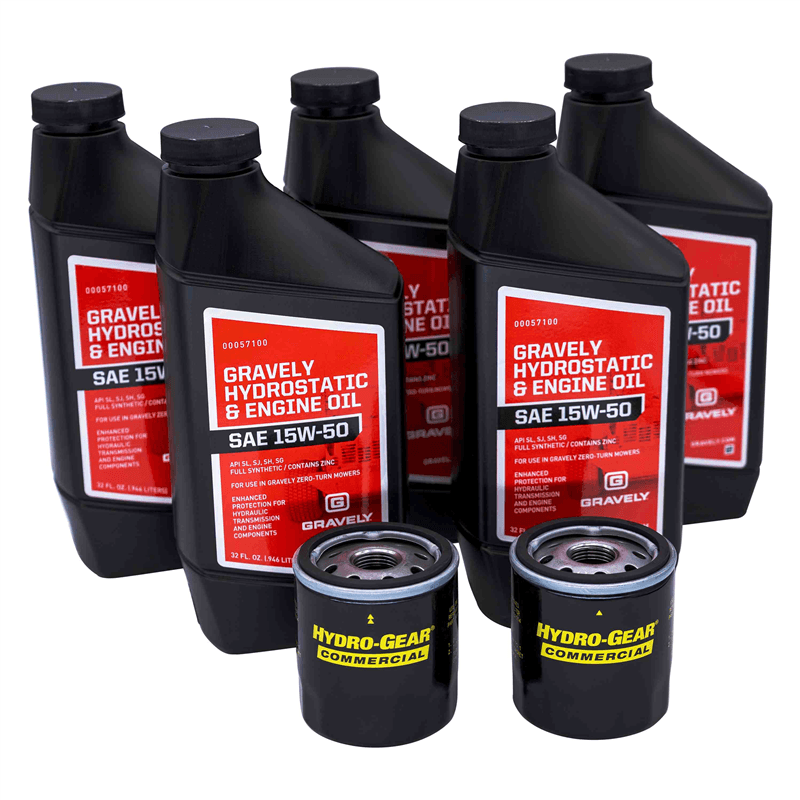
Transmission fluid keeps parts moving smoothly. Check fluid levels regularly using the dipstick or sight glass. Use the type of fluid recommended by the manufacturer. Change the fluid according to the schedule in your owner’s manual. Old or dirty fluid can cause slipping and wear.
Troubleshooting Common Issues
- Transmission slips or loses power: Check fluid level and condition first.
- Mower doesn’t move: Inspect belts, linkages, and fluid level.
- Noises or vibrations: Look for loose parts and worn bearings.
- Leaking fluid: Identify the source and replace seals or gaskets.
Address problems quickly to avoid damage. Regular maintenance keeps your zero turn mower running smoothly year after year.
Upgrading Or Replacing Your Transmission
Upgrading or replacing the transmission in your zero turn mower can breathe new life into your equipment. Whether your mower is losing power, struggling to turn, or making strange noises, addressing the transmission issue early can save you from costly repairs down the road. Knowing when and how to tackle this task will keep your mower running smoothly and efficiently.
Signs It’s Time To Upgrade
Is your mower feeling sluggish or failing to maintain speed on inclines? These are clear signs the transmission might be wearing out. Other symptoms include strange grinding noises, leaks around the transmission housing, or a noticeable loss of traction.
If you notice your mower isn’t responding well to steering inputs or if it’s overheating during use, it’s time to take a closer look. Ignoring these signs can lead to complete transmission failure, which is much more expensive to fix.
Choosing The Right Replacement
Not all transmissions fit every zero turn mower, so selecting the right one is crucial. Check your mower’s model number and specifications before purchasing a replacement to ensure compatibility.
Consider whether you want to stick with the original manufacturer’s transmission or explore aftermarket options that might offer better durability or performance. Reading user reviews and seeking advice from fellow mower owners can help you make a confident choice.
Installation Basics
Installing a new transmission might seem daunting, but with the right tools and instructions, you can handle it yourself. Start by disconnecting the battery and draining any fluids to avoid spills and electrical hazards.
Carefully remove the old transmission, keeping track of bolts and linkages. When fitting the new unit, ensure all connections are secure and aligned properly to prevent premature wear.
After installation, test your mower in a safe area to confirm everything works smoothly. Have you prepared a checklist for your installation process to avoid missing any critical steps?

Credit: www.ebay.com
Frequently Asked Questions
What Type Of Transmission Do Zero Turn Mowers Use?
Zero turn mowers typically use hydrostatic transmissions. These allow smooth, variable speed control without gear changes. They offer precise maneuverability and easy handling on various terrains.
How Does Hydrostatic Transmission Benefit Zero Turn Mowers?
Hydrostatic transmission provides seamless speed adjustments and easy reversing. It improves mower control, reduces mechanical wear, and requires minimal maintenance. This system enhances efficiency and user comfort during mowing tasks.
Are There Other Transmission Types In Zero Turn Mowers?
Most zero turn mowers use hydrostatic transmissions, but some models may have belt-driven or mechanical systems. However, hydrostatic remains the preferred choice for its reliability and smooth operation.
Can Transmission Type Affect Zero Turn Mower Performance?
Yes, the transmission type directly impacts mower responsiveness and durability. Hydrostatic transmissions offer better control and smoother turns, improving overall performance and user experience on different lawn sizes.
Conclusion
Choosing the right transmission affects your mower’s performance. Hydrostatic transmissions offer smooth, easy control. Gear-driven types provide strong power and durability. Consider your mowing needs and budget carefully. A good transmission makes mowing faster and less tiring. Take time to compare features before buying.
This helps you enjoy a better mowing experience.





