
Changing the oil in your push mower might seem tricky, but it’s easier than you think. If you want your mower to run smoothly and last longer, this simple step is a must.
In this guide, you’ll learn exactly how to change the oil quickly and safely, even if you’ve never done it before. Keep reading, and you’ll save money, avoid costly repairs, and keep your lawn looking perfect all season long.

Credit: www.familyhandyman.com
When To Change Mower Oil
Knowing when to change the oil in your push mower is crucial for keeping it running smoothly and extending its lifespan. Fresh oil ensures the engine parts are well-lubricated, preventing wear and overheating. Paying attention to the right timing can save you from costly repairs and frustrating breakdowns during mowing season.
Signs Oil Needs Changing
One clear sign is if the oil looks dark and dirty instead of clear and amber. Thick, sludgy oil can’t protect the engine properly.
You might also notice the mower running rough or stalling more often. These symptoms often point to old or contaminated oil affecting engine performance.
Another tip is to check the oil level regularly. If it drops quickly or smells burnt, it’s time for a change. Have you ever ignored these signs and faced unexpected engine trouble?
Recommended Oil Change Intervals
Most push mower manufacturers suggest changing the oil every 25 to 50 hours of use. This usually translates to once per mowing season for average homeowners.
If you mow frequently or under tough conditions like dusty or wet grass, consider changing oil more often—about every 20 hours.
New mowers often need an oil change after the first 5 hours to clear out any engine break-in debris. Keeping a log of your mower’s running hours can help you stay on track easily.

Credit: www.youtube.com
Tools And Materials Needed
Changing the oil in a push mower requires the right tools and materials. Having everything prepared makes the task smoother and faster. Using the correct oil and tools keeps the mower running well. This section lists what you need before starting.
Oil Types For Push Mowers
Push mowers usually need specific oil types. Most use SAE 30 oil for warm weather. For cold weather, 10W-30 works better. Synthetic oils last longer but cost more. Always check the mower’s manual for the recommended oil type. Using the wrong oil can harm the engine.
Essential Tools Checklist
- Drain pan to catch old oil
- Wrench or socket set to remove the drain plug
- Funnel for pouring new oil
- Clean rag or paper towels for spills
- Gloves to keep hands clean
- New oil matching the mower’s specifications
Preparing The Mower
Preparing the mower is the first key to a smooth oil change. It sets the stage for a safe and effective process. Taking a few minutes here saves time and prevents problems later. Focus on safety and positioning to make the task easier.
Safety Precautions
- Turn off the mower and remove the spark plug wire.
- Wear gloves to protect your hands from oil and dirt.
- Work on a flat, stable surface to avoid slips or falls.
- Allow the engine to cool if you recently used the mower.
- Keep children and pets away from the work area.
Positioning The Mower
Place the mower on a flat surface to keep it steady.
Tip the mower so the oil drain plug is accessible. Usually, this means tilting the mower away from the air filter and carburetor.
Use blocks or a sturdy support to hold the mower in place if needed.
Check the owner’s manual for the correct position to avoid oil spilling into the engine.
Draining Old Oil
Drain the old oil while the engine is warm to help it flow out easily. Use a container to catch the oil and avoid spills. Dispose of the used oil properly to protect the environment.
Draining old oil from your push mower is a crucial task. It ensures smooth operation and extends the mower’s life. Begin by finding a suitable area to work. A flat surface is ideal. Gather necessary tools like a wrench, oil pan, and rags. Wear gloves to keep your hands clean. Now, let’s dive into the process.Locating The Drain Plug
First, locate the drain plug beneath the mower. It is usually at the base of the engine. Check the manual if unsure. Keep the mower tilted for better access. Use a flashlight if visibility is poor. Ensure the mower is off and cool to avoid burns.Proper Oil Disposal
After draining, dispose of the old oil responsibly. Pour it into a sealed container. Take it to a recycling center or auto shop. Never pour oil on the ground or in drains. This prevents environmental damage. Proper disposal keeps your community clean.Adding New Oil
Adding new oil to your push mower is a crucial step to keep the engine running smoothly and extend its life. Using the right oil and filling it to the correct level prevents engine damage and ensures optimal performance. Let’s look at how to choose the best oil and fill it properly.
Choosing The Right Oil
Not all oils work well with push mowers. Most manufacturers recommend a specific type of oil based on the engine design. Check your mower’s manual or the oil cap for guidance.
Typically, SAE 30 oil works well for warm weather, while 10W-30 is better if you store the mower in cooler climates. Synthetic oils can offer better protection but may not always be necessary. Have you ever used the wrong oil and noticed a drop in performance? It’s a common mistake that’s easy to avoid.
Filling To Correct Level
Overfilling or underfilling the oil can cause serious engine problems. Start by placing the mower on a flat surface to get an accurate reading.
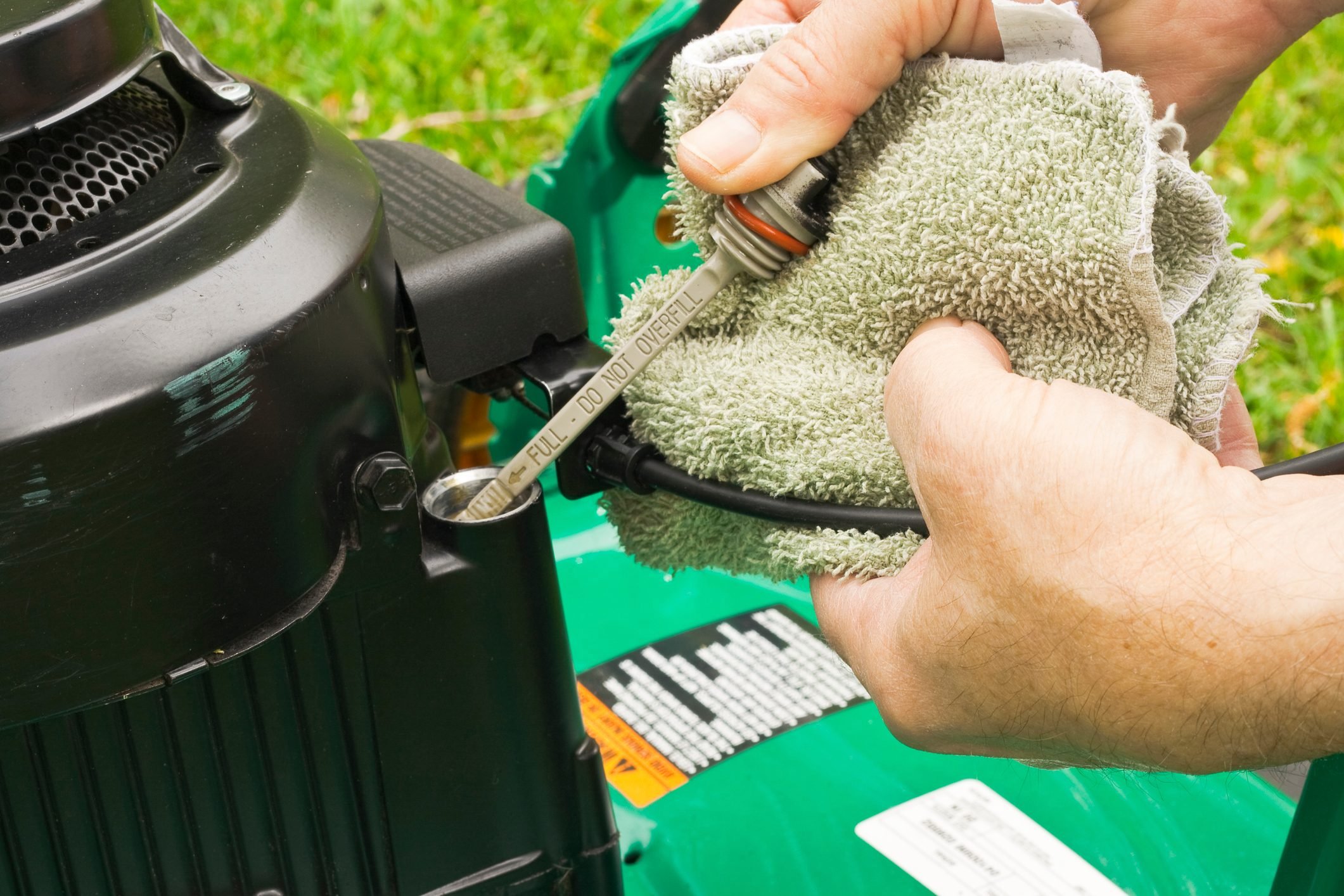
Use a funnel to pour the new oil slowly into the oil fill hole. After adding some oil, check the dipstick or oil level window. Add small amounts until the oil reaches the full mark. Don’t rush this step—precision matters.
Have you ever wondered why some mowers smoke or stall? It’s often due to incorrect oil levels. Taking your time here can save you from costly repairs later.
Credit: www.familyhandyman.com
Checking Oil Level
Checking the oil level in a push mower is essential for its smooth operation. The right oil level keeps the engine running cool and prevents damage. Too little oil can cause the engine to seize, while too much can lead to leaks and smoke. Regular oil checks help maintain mower health and extend its life.
Using The Dipstick
Locate the dipstick on the mower’s engine. It often looks like a small rod with a handle. Remove the dipstick and wipe it clean with a rag. Insert it back fully, then pull it out again. Check the oil level on the end of the dipstick. It should be between the “full” and “add” marks. If the oil is below the mark, more oil is needed.
Adjusting Oil Amount
To add oil, remove the oil fill cap. Use a funnel to avoid spills. Pour oil slowly and check the dipstick often. Add small amounts to avoid overfilling. If there is too much oil, drain some using the drain plug or a suction pump. Correct oil level ensures proper lubrication and engine performance.
Maintenance Tips For Longevity
Proper maintenance extends the life of your push mower. Regular care keeps the engine running smoothly and prevents costly repairs. Small habits protect your mower and save money over time.
Focus on simple tasks that fit into your routine. These tips improve mower performance and reduce wear.
Regular Oil Checks
Check the oil level before every use. Low oil can damage the engine fast. Use the dipstick to see the oil level clearly. The oil should be clean and smooth, not dark or gritty.
Change the oil after every 25 hours of mowing. Fresh oil keeps engine parts moving well. Use the type of oil recommended in the mower manual.
Storing The Mower Properly
Store the mower in a dry, sheltered place to avoid rust. Clean grass and dirt off the mower before storage. This prevents buildup and keeps the engine parts clear.
Drain old fuel or add fuel stabilizer if storing for a long time. Old fuel can clog the engine and cause problems. Cover the mower to protect it from dust and moisture.
Frequently Asked Questions
How Often Should I Change Oil In A Push Mower?
Change the oil after every 25-50 hours of use or once per mowing season. This keeps the engine running smoothly and extends mower life.
What Type Of Oil Is Best For Push Mowers?
Use SAE 30 oil for warm weather and 10W-30 for cooler temperatures. Check your mower’s manual for the recommended oil type.
Can I Change Push Mower Oil Without Draining It?
No, draining old oil is essential. It removes dirt and prevents engine damage. Always drain completely before adding new oil.
How Do I Safely Dispose Of Used Mower Oil?
Collect used oil in a sealed container. Take it to a local recycling center or automotive store that accepts used oil for proper disposal.
Conclusion
Changing oil in your push mower keeps it running smooth. Clean oil helps the engine stay cool and last longer. Regular oil changes prevent damage and costly repairs. Always use the right oil type and change it safely. With simple steps, you save money and time.
A well-maintained mower cuts better and uses less fuel. Keep your mower healthy by checking oil often. It’s easy, quick, and important for lawn care. Your mower will thank you with better performance and longer life.





