
Changing the oil in your Husqvarna mower might seem tricky, but it’s easier than you think. Keeping your mower’s engine running smoothly depends on fresh oil, and doing it yourself saves time and money.
In this guide, you’ll find simple, step-by-step instructions that anyone can follow. By the end, you’ll feel confident maintaining your mower like a pro. Ready to get started and keep your lawn looking its best? Let’s dive in.
Prepare Your Mower
Preparing your Husqvarna mower properly makes the oil change process smooth and safe. It helps avoid spills and protects your mower’s engine. Take time to get everything ready before starting.
Gather Necessary Tools
Collect all tools before you begin. This saves time and prevents interruptions. You will need:
- Drain pan or container for old oil
- Wrench or socket set
- New oil filter (if required)
- Fresh oil matching mower specifications
- Rags or paper towels for cleanup
- Gloves to keep hands clean
Ensure Safety Precautions
Safety matters when changing oil. Work on a flat surface to stop the mower from moving. Turn off the engine and remove the key. Let the mower cool to avoid burns. Wear gloves to protect your skin.
Warm Up The Engine
Start the mower and let it run for five minutes. Warm oil drains faster and more completely. Turn off the engine and wait a few minutes before draining. This step helps remove old oil fully from the engine.

Credit: www.youtube.com
Locate The Oil Components
Locating the oil components on your Husqvarna mower is the first key step. This helps ensure the oil change process goes smoothly. The oil fill cap, oil drain plug, and dipstick are essential parts to find before you start.
Find The Oil Fill Cap
The oil fill cap is usually on the engine’s side or top. It is often marked with an oil can symbol or the word “oil.” This cap seals the oil reservoir and allows you to add new oil.
Identify The Oil Drain Plug
The oil drain plug is at the bottom of the engine. It lets old oil flow out during draining. Look for a bolt or screw that can be unscrewed to release the oil.
Check The Oil Level Dipstick
The dipstick measures the current oil level in the engine. It is often attached to the oil fill cap or nearby. Pull it out, wipe it clean, and reinsert to check the oil level accurately.
Drain The Old Oil
Draining the old oil is a key step in changing the oil on your Husqvarna mower. This process removes the used oil, clearing out dirt and debris. Fresh oil helps the engine run smoothly and last longer. Follow these steps carefully to drain the oil safely and efficiently.
Position The Mower For Draining
Place the mower on a flat surface to keep it steady. Turn off the engine and let it cool for 10-15 minutes. This allows the oil to settle and prevents burns. Tilt the mower slightly if needed to access the drain plug easily. Use a drip pan or container below to catch the old oil.
Remove The Drain Plug
Locate the drain plug under the mower’s engine. Use a wrench or socket to loosen the plug carefully. Turn it counterclockwise until it comes out. Be ready for the oil to start flowing out immediately. Keep your hands and clothes away from the oil stream to stay clean.
Let Oil Fully Drain
Allow the oil to flow completely into the container. This may take a few minutes. Do not rush the process or tilt the mower too much. Once the oil stops dripping, check for any leftover oil near the plug. Reinstall the drain plug tightly to avoid leaks before adding new oil.
Replace The Oil Filter
Changing the oil filter in your Husqvarna mower is crucial. It ensures optimal engine performance and longevity. The process is straightforward and can be done at home. Follow these simple steps to replace the oil filter efficiently.
Locate The Oil Filter
First, you need to find the oil filter. It’s usually on the side of the engine. Consult your mower’s manual for the exact location. The filter is often cylindrical and easy to spot.
Remove The Old Filter
Before removing, place a container under the filter to catch any oil drips. Use an oil filter wrench to loosen the old filter. Turn it counterclockwise. Once loose, carefully remove it by hand. Ensure all the oil drains out into the container.
Install The New Filter
Get your new oil filter ready. Lightly coat the rubber gasket with new oil. This ensures a secure seal. Screw the new filter onto the engine by hand. Turn it clockwise until it is snug. Avoid overtightening, as this can damage the filter or engine.
Add New Oil
Adding new oil to your Husqvarna mower is a key step after draining the old oil. Clean oil keeps the engine running smoothly and prevents damage. Using the correct amount and type of oil ensures the mower works efficiently. Follow these simple steps to add new oil properly.
Select The Right Oil Type
Choose oil that matches your mower’s engine requirements. Most Husqvarna mowers use SAE 30 oil for warm weather. For colder climates, use 10W-30 oil. Check the owner’s manual for the exact oil type needed. Using the wrong oil can harm the engine or reduce performance.
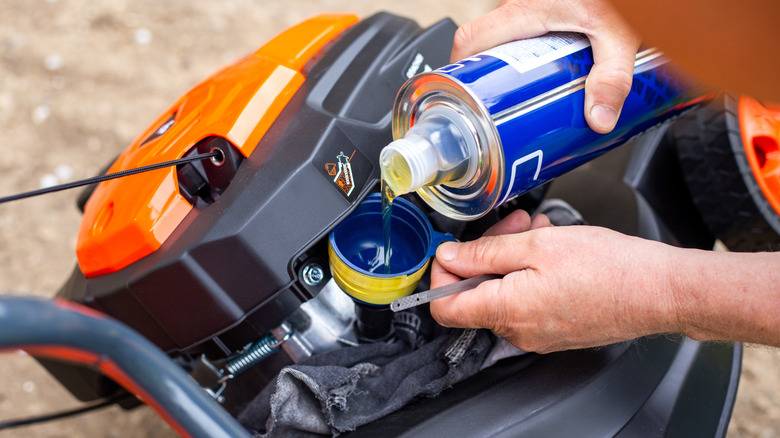
Pour Oil Into The Fill Port
Locate the oil fill port on the mower. Remove the oil cap carefully. Use a clean funnel to pour the new oil slowly. Avoid overfilling to prevent leaks or engine damage. Pour until the oil level is near the full mark on the dipstick or oil window.
Check Oil Level
After pouring, wait a few minutes for oil to settle. Insert the dipstick fully and then remove it to check the level. The oil should be between the minimum and maximum marks. Add more oil if the level is low. Wipe any spilled oil from the mower before starting it.

Credit: www.youtube.com
Finalize The Process
Finalizing the oil change process on your Husqvarna mower is crucial for its smooth operation. This phase ensures no oil leaks occur and the engine runs efficiently. Proper handling and disposal of old oil protect the environment and keep your mower in top shape.
Secure The Drain Plug And Fill Cap
After draining the old oil, tighten the drain plug firmly. Use a wrench to make sure it is secure but avoid over-tightening. Next, replace the oil fill cap and twist it until it fits snugly. A tight seal prevents oil from leaking during mower operation.
Start The Engine To Check For Leaks
Turn on the mower and let the engine run for a few minutes. Watch the drain plug and fill cap areas carefully. Look for any signs of oil dripping or seeping. If you see leaks, stop the engine immediately and tighten the parts again.
Dispose Of Old Oil Properly
Used oil is harmful to the environment and must not be thrown in trash or drains. Place the old oil in a sealed container. Take it to a recycling center or an auto shop that accepts used oil. Proper disposal helps protect nature and follows local regulations.
Maintenance Tips
Keeping your Husqvarna mower in top shape means staying on top of maintenance, especially oil changes. Proper care not only extends the life of your mower but also ensures it runs smoothly every time you need it. Let’s dive into some essential maintenance tips that will help you get the most out of your mower.
Recommended Oil Change Frequency
For most Husqvarna mowers, changing the oil after the first 5 hours of use is crucial. After that, aim to change the oil every 50 hours of operation or at least once every season. If you use your mower less often, changing the oil once a year is still a good practice.
Are you keeping track of your mower’s hours? Many people don’t, but a simple notebook or an app can help you remember when it’s time for an oil change. Regular oil changes prevent engine wear and keep your mower running quietly.
Signs Your Mower Needs An Oil Change
How can you tell when it’s time to change the oil, aside from the hours used? Dark, dirty oil is a clear indicator. Fresh oil is usually amber or light brown; if it looks thick or black, it’s time for a change.
Other signs include unusual engine noises or your mower running hotter than usual. If you notice any decrease in performance or even smoke from the engine, check the oil immediately. Waiting too long can cause serious damage.
Storage Tips For Longevity
Storing your mower properly during the off-season affects how well it starts next spring. Before storing, always change the oil so old contaminants don’t sit in the engine. It’s also wise to run the engine for a few minutes after the oil change to distribute the fresh oil.
Remove the spark plug and pour a small amount of oil into the cylinder to prevent rust during storage. Cover your mower and keep it in a dry, sheltered spot away from direct sunlight and moisture. These simple steps can save you from frustrating startup problems later.
Credit: www.slashgear.com
Frequently Asked Questions
How Often Should I Change Oil In Husqvarna Mower?
Change the oil after every 50 hours of use or once each mowing season. Frequent oil changes keep the engine running smoothly and extend mower life.
What Type Of Oil Is Best For Husqvarna Mowers?
Use SAE 30 oil for warm weather and 10W-30 for cooler temperatures. Always check your owner’s manual for specific oil recommendations.
Can I Change Husqvarna Mower Oil Myself Safely?
Yes, changing oil yourself is safe and easy with proper tools. Follow instructions carefully and dispose of used oil responsibly.
How Do I Dispose Of Used Mower Oil Properly?
Take used oil to a local recycling center or auto shop. Never pour oil down drains or on the ground to protect the environment.
Conclusion
Changing the oil in your Husqvarna mower keeps it running smoothly. Clean oil helps the engine work better and last longer. Follow the steps carefully and use the right oil type. Regular oil changes prevent damage and save you money.
Take your time and do the job safely. Soon, your mower will be ready for the next lawn day. Simple care makes a big difference in your mower’s life. Keep it fresh, keep it strong.





