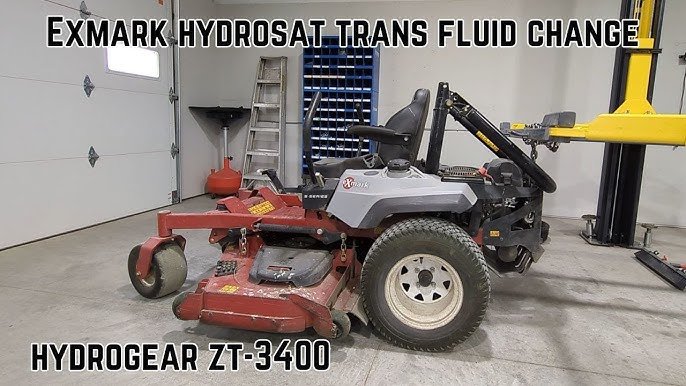
If you want your mower to run smoothly and last longer, knowing when to replace the transmission oil is key. Ignoring this simple step can lead to costly repairs and poor performance.
But how do you know the right time to change it? You’ll discover clear signs and easy tips to keep your mower’s transmission in top shape. Keep reading to protect your investment and save time and money on maintenance.
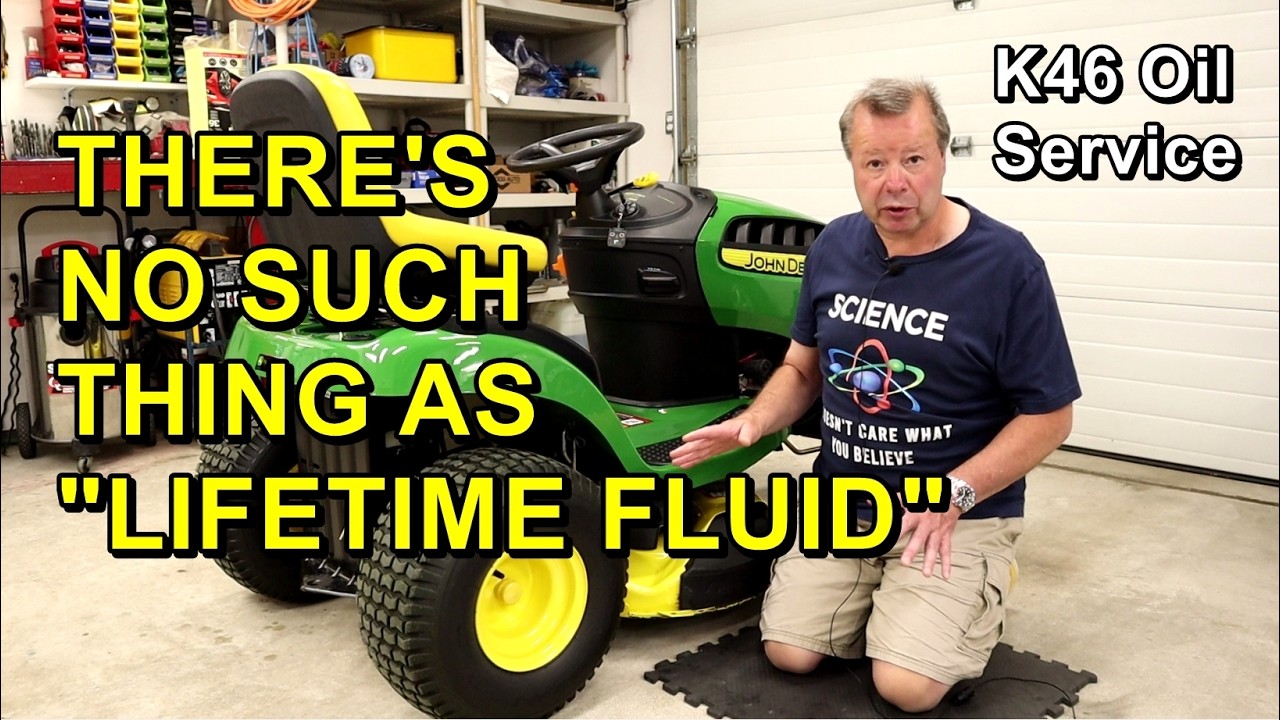
Credit: www.youtube.com
Signs Of Worn Transmission Oil
Knowing the signs of worn transmission oil can save your mower from costly damage and downtime. Transmission oil plays a vital role in keeping your mower’s moving parts lubricated and running smoothly. Ignoring early warning signs might lead to bigger problems that impact both performance and lifespan.
Reduced Mower Performance
Have you noticed your mower slowing down or struggling on hills? Worn transmission oil thickens and loses its ability to lubricate properly, causing increased friction. This makes your mower work harder, reducing overall efficiency and cutting power.
If your mower hesitates when accelerating or doesn’t respond as quickly as before, it’s a clear signal to check the transmission oil. Don’t wait until poor performance becomes a safety risk or leads to engine strain.
Unusual Noises And Vibrations
Strange noises like grinding, whining, or clunking coming from your mower could indicate that the transmission oil is no longer doing its job. Worn oil fails to cushion the metal parts, causing them to rub together and create noise.
Vibrations or shaking during operation also point to transmission problems. These symptoms often appear before visible damage, so listen carefully to your mower’s sounds. What unusual noise have you ignored that later caused bigger issues?
Visible Oil Contamination
Checking the transmission oil visually is a simple but effective way to spot problems. Fresh oil is usually clear or slightly amber, but worn oil looks dark, dirty, or thick. You might even see metal shavings or debris floating in the oil.
Contaminated oil loses lubrication quality and can damage gears over time. If the oil appears cloudy or gritty when you drain it, it’s time to replace it immediately to protect your mower’s transmission.
Recommended Oil Change Intervals
Knowing the right time to replace your mower transmission oil is key to keeping your equipment running smoothly. Recommended oil change intervals help you avoid costly repairs and maintain peak performance. Let’s look at how these intervals are determined and what you should watch for.
Manufacturer Guidelines
Always check your mower’s user manual first. Manufacturers provide specific oil change intervals based on the design and materials of your transmission. Ignoring these recommendations can void warranties or lead to early wear.
For example, some brands suggest changing the transmission oil after the first 50 hours of use, then every 100 hours thereafter. Others might recommend an annual change regardless of hours. Have you reviewed your manual recently to see what applies to your mower?
Hours Of Operation
Tracking the hours your mower operates is a practical way to schedule oil changes. Heavy usage means the transmission oil breaks down faster, needing more frequent replacement.
If you run your mower daily during the growing season, plan oil changes more often—possibly every 50 to 100 hours. On the other hand, if you only mow occasionally, stretching intervals closer to the manufacturer’s maximum is often fine. Do you keep an accurate record of your mower’s run time?
Seasonal Considerations
Seasons affect transmission oil life too. Cold weather can thicken oil, reducing its effectiveness, while hot weather can cause it to degrade quicker.
Changing your mower’s transmission oil before and after the mowing season helps maintain optimal protection. This approach minimizes the risk of damage during periods of heavy use or storage. Have you noticed changes in your mower’s performance with the seasons?
Choosing The Right Transmission Oil
Choosing the right transmission oil for your mower is crucial to keep it running smoothly. The correct oil protects the transmission from wear and heat, ensuring long-lasting performance. Understanding the differences in oil types, grades, and compatibility can save you from costly repairs and downtime.
Oil Types And Grades
Transmission oils come in various types and grades designed for specific machines. You’ll often see terms like SAE 80W-90 or SAE 85W-140, indicating the oil’s viscosity and performance at different temperatures.
Using the right grade ensures the oil flows properly and protects your transmission under various conditions. Check your mower’s manual to find the recommended oil grade—it’s not just a suggestion but a key to keeping your mower’s transmission healthy.
Synthetic Vs Conventional Oil
Synthetic oils offer better performance in extreme temperatures and resist breakdown longer than conventional oils. They often keep transmissions cleaner and provide smoother shifting.
However, synthetic oils usually cost more. Think about how often you use your mower and in what conditions. If you use it frequently or in tough environments, synthetic oil might save you money in the long run by extending transmission life.
Compatibility With Mower Models
Not all transmission oils work with every mower model. Some mowers require specific types of oil due to their transmission design or manufacturer’s recommendations.
Before buying, confirm the oil’s compatibility with your mower brand and model. Using an incompatible oil can cause poor performance or damage. Have you checked your mower’s specifications lately? It’s an easy step that protects your investment.
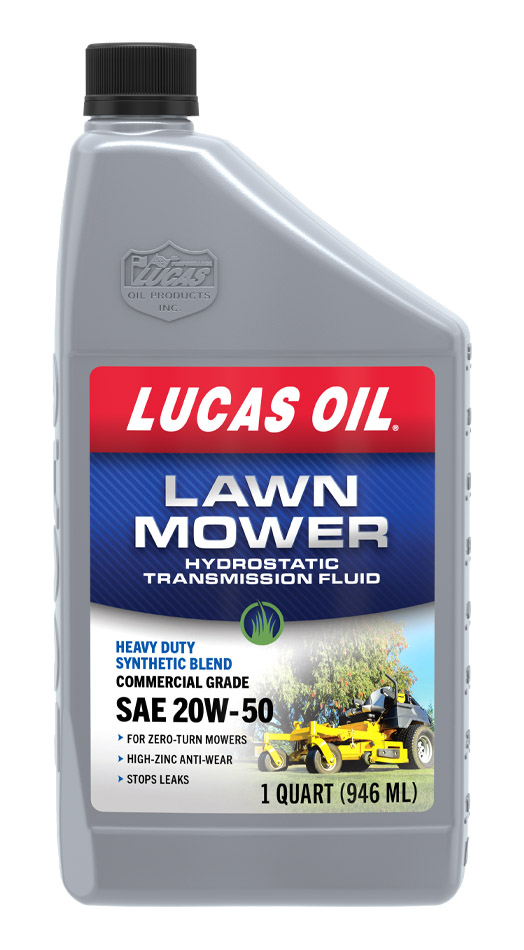
Credit: www.lucasoil.com
Steps To Change Mower Transmission Oil
Check the mower’s manual to know the recommended oil change interval. Change the transmission oil if the mower shows signs of slipping or unusual noise. Regular oil changes keep the transmission running smoothly and extend mower life.
Changing your mower’s transmission oil is crucial for smooth operation. Regular maintenance ensures your mower runs efficiently. Follow these steps to change the oil effectively.Tools And Materials Needed
Gather necessary tools before starting. You will need:- Wrench set
- Oil pan
- Funnel
- New transmission oil
- Rags
- Safety gloves
Draining Old Oil
Place the mower on a level surface. Ensure the engine is cool. Position the oil pan under the transmission. Use a wrench to loosen the drain plug. Allow the old oil to drain completely. Wipe any spills with a rag.Refilling With New Oil
Close the drain plug tightly. Position the funnel over the fill port. Pour the new transmission oil slowly. Check the oil level using the dipstick. Adjust if necessary. Ensure no oil overflows.Disposal Of Used Oil
Collect the old oil in a sealable container. Contact local waste management for disposal guidelines. Never pour oil down the drain. Dispose of responsibly to protect the environment.Benefits Of Timely Oil Replacement
Replacing your mower’s transmission oil on time offers several key benefits that keep your equipment running smoothly. It helps maintain the health of vital components and ensures your mower performs at its best. Ignoring this simple task can lead to bigger issues that are both frustrating and expensive.
Extending Transmission Life
Fresh transmission oil provides the necessary lubrication to reduce friction between moving parts. Over time, old oil loses its effectiveness and allows wear and tear to accelerate. Changing the oil regularly can add years to your transmission’s lifespan, saving you from premature replacements.
Think about how your mower feels after a long season without maintenance—does it sound rougher or struggle under load? That’s a sign your transmission oil may be overdue for a change.
Improving Mower Efficiency
Clean transmission oil helps your mower operate smoothly, requiring less effort from the engine. This improved efficiency means your mower uses fuel more effectively, potentially lowering your fuel costs. You’ll also notice better responsiveness when maneuvering your mower, making your mowing job easier and faster.
Have you ever been frustrated by a mower that hesitates or feels sluggish? Timely oil replacement can fix that and keep your machine working like new.
Preventing Costly Repairs
Failing to replace transmission oil can cause sludge and debris buildup, leading to transmission damage. Repairing or replacing a transmission is often much more expensive than the cost of fresh oil. Regular oil changes act as a simple shield against breakdowns and unexpected repair bills.
Ask yourself: would you rather spend a little time and money on oil changes or face the hassle of a major repair? Protect your investment by keeping the transmission oil fresh and clean.

Credit: www.lawnsite.com
Frequently Asked Questions
When Should I Replace Mower Transmission Oil?
Replace mower transmission oil every 50 hours of use or annually. Check your owner’s manual for specific intervals.
What Are Signs Of Bad Mower Transmission Oil?
Signs include unusual noises, overheating, and poor gear performance. Dark or dirty oil also indicates a need for replacement.
Can Old Transmission Oil Damage My Mower?
Yes, old oil can cause wear, overheating, and transmission failure. Regular oil changes ensure smooth mower operation.
How Do I Check Mower Transmission Oil Condition?
Inspect oil color and consistency. If it’s dark, thick, or contains debris, it needs changing.
Conclusion
Regularly changing mower transmission oil keeps your machine running smooth. Dirty or low oil can cause damage fast. Check the oil every season or after heavy use. Clear, clean oil means better performance and longer life. Don’t wait for problems to appear.
A small effort now saves costly repairs later. Keep your mower ready and working well all year. Simple steps protect your investment and make mowing easier.





