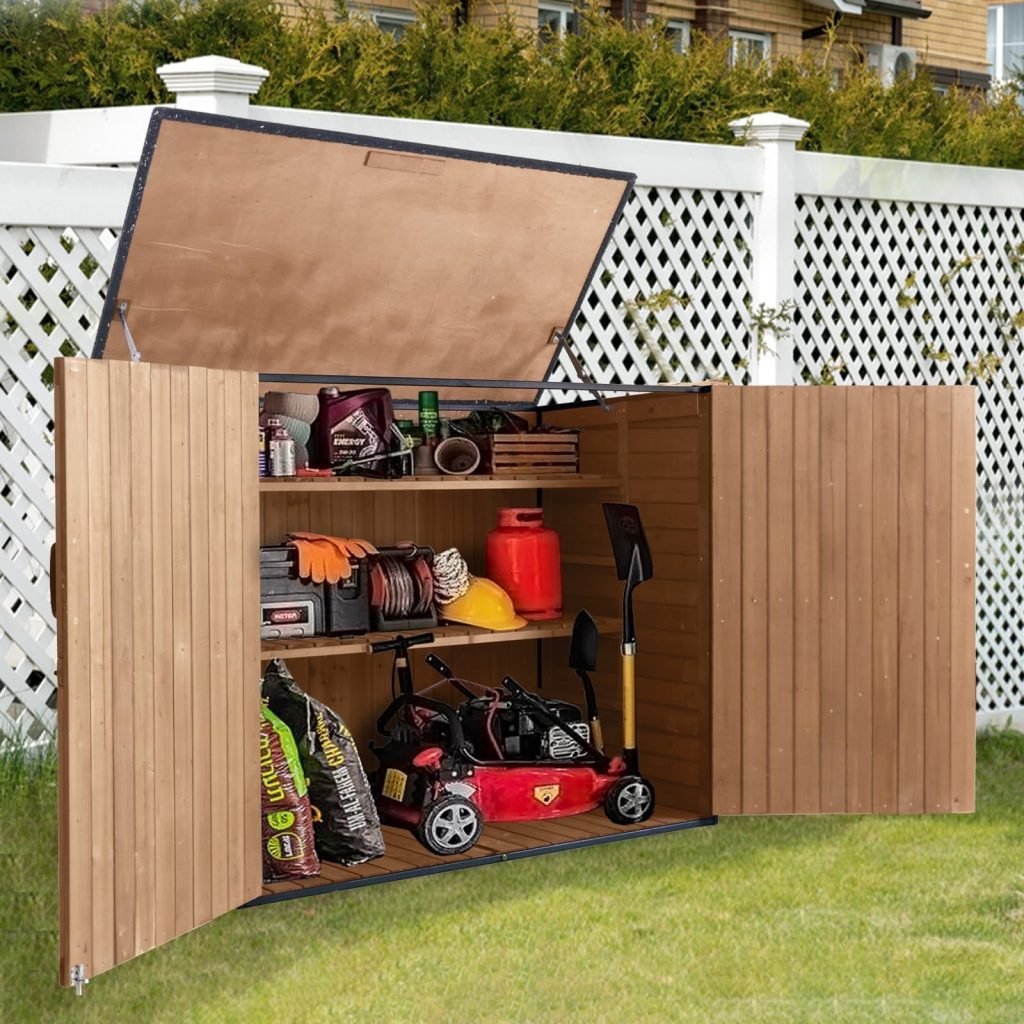
Storing your lawn mower outside might seem simple, but doing it the right way can save you time, money, and hassle. If you want your mower to last longer and stay in top shape, you need to protect it from weather damage, rust, and dirt.
You’ll discover easy and effective tips to keep your mower safe and ready to go whenever you need it. Keep reading, and learn how a few smart steps can make a big difference for your lawn care routine.
Choosing The Right Location
Choosing the right location for storing your lawn mower outside can make a huge difference in how long your mower lasts and how easy it is to use. The right spot protects your equipment from damage and keeps it ready for the next mow. Let’s look at key factors that help you pick the best place.
Avoiding Moisture And Direct Sunlight
Moisture is the enemy of lawn mowers. Storing your mower in a damp area can cause rust and damage to the engine parts. Look for a spot that stays dry, even after heavy rain.
Direct sunlight can also harm your mower by fading paint and cracking plastic parts. A shaded area, such as under a tree or a small canopy, can protect your mower from harmful UV rays. Have you checked how much sun your chosen spot gets throughout the day?
Selecting A Level Surface
A level surface keeps your mower stable and prevents oil or fuel from leaking. Uneven ground can cause the mower to tip over, leading to damage or spills.
Concrete or paved areas are ideal because they provide a firm and flat base. If you only have soil or grass available, consider placing a wooden or plastic platform underneath the mower. This little step can save you from costly repairs later.
Considering Accessibility
Think about how often you use your mower. Storing it in a hard-to-reach place can make lawn care feel like a chore. Pick a spot that’s easy to access, especially during peak mowing seasons.
Also, consider the path to the storage spot. Is it free from obstacles like garden furniture or tools? Clear paths save you time and effort every time you need to grab your mower.
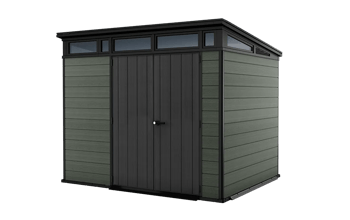
Credit: www.keter.com
Preparing The Mower For Storage
Preparing your lawn mower for storage outside is essential to keep it in good shape and ready for the next season. This preparation helps prevent rust, fuel problems, and mechanical issues that often arise from neglect. Taking time now to care for your mower can save you money and frustration later.
Cleaning The Mower Thoroughly
Start by removing grass clippings, dirt, and debris from the mower deck and blades. Use a brush or a hose to clean the underside carefully—wet conditions during storage can cause rust if dirt remains. Don’t forget to wipe down the exterior with a damp cloth to remove any stubborn grime.
Have you noticed how even small clumps of grass can trap moisture? That moisture can lead to corrosion over time. Cleaning thoroughly means your mower stays dry and rust-free.
Draining Or Stabilizing Fuel
Fuel left in the tank can degrade and gum up your mower’s engine. You have two choices: drain the fuel completely or add a fuel stabilizer to keep it fresh. If you choose to stabilize, run the engine for a few minutes to circulate the treated fuel through the system.
Draining fuel might seem like extra work, but it prevents clogged carburetors and hard starts next season. Do you want your mower to struggle on the first cut of the year? Taking this step helps avoid that hassle.
Checking And Changing Oil
Old oil contains contaminants that can damage your engine if left during storage. Check your mower’s oil level and color before storing it. If the oil looks dark or dirty, change it to ensure your engine stays lubricated and clean.
Remember, fresh oil protects engine parts from wear and corrosion. Skipping this step can lead to costly repairs down the line. Have you ever had a mower engine seize up? Changing the oil can prevent that from happening.
Using Protective Covers
Using protective covers is a smart way to keep your lawn mower safe outdoors. Covers shield the mower from rain, dust, and harmful UV rays. They help prevent rust and damage, extending your mower’s life.
Choosing the right cover and using it correctly ensures better protection. Covers must fit well and allow airflow to avoid moisture buildup.
Types Of Covers Suitable For Outdoor Storage
Many covers work well for outdoor use. Look for materials that resist water and sun damage. Common types include:
- Heavy-duty polyester covers with waterproof coatings
- Vinyl covers that block rain and dirt
- Breathable fabric covers that prevent mold
Choose covers with reinforced seams and secure fasteners. These features improve durability and fit.
Ensuring Proper Fit And Ventilation
A cover must fit snugly but not too tight. A loose cover can blow off, while a tight one traps moisture. Proper fit helps keep dirt and water out.
Ventilation is key. Covers with vents or breathable fabric reduce condensation. This stops rust and mold from forming. Look for covers designed for airflow around the mower.
Securing The Cover Against Wind
Wind can lift or shift a cover. Use covers with built-in straps or drawstrings. Secure the cover tightly around the mower base.
Adding extra weights or clips helps keep the cover in place. Check the cover regularly after windy days. Adjust it to prevent exposure or damage.
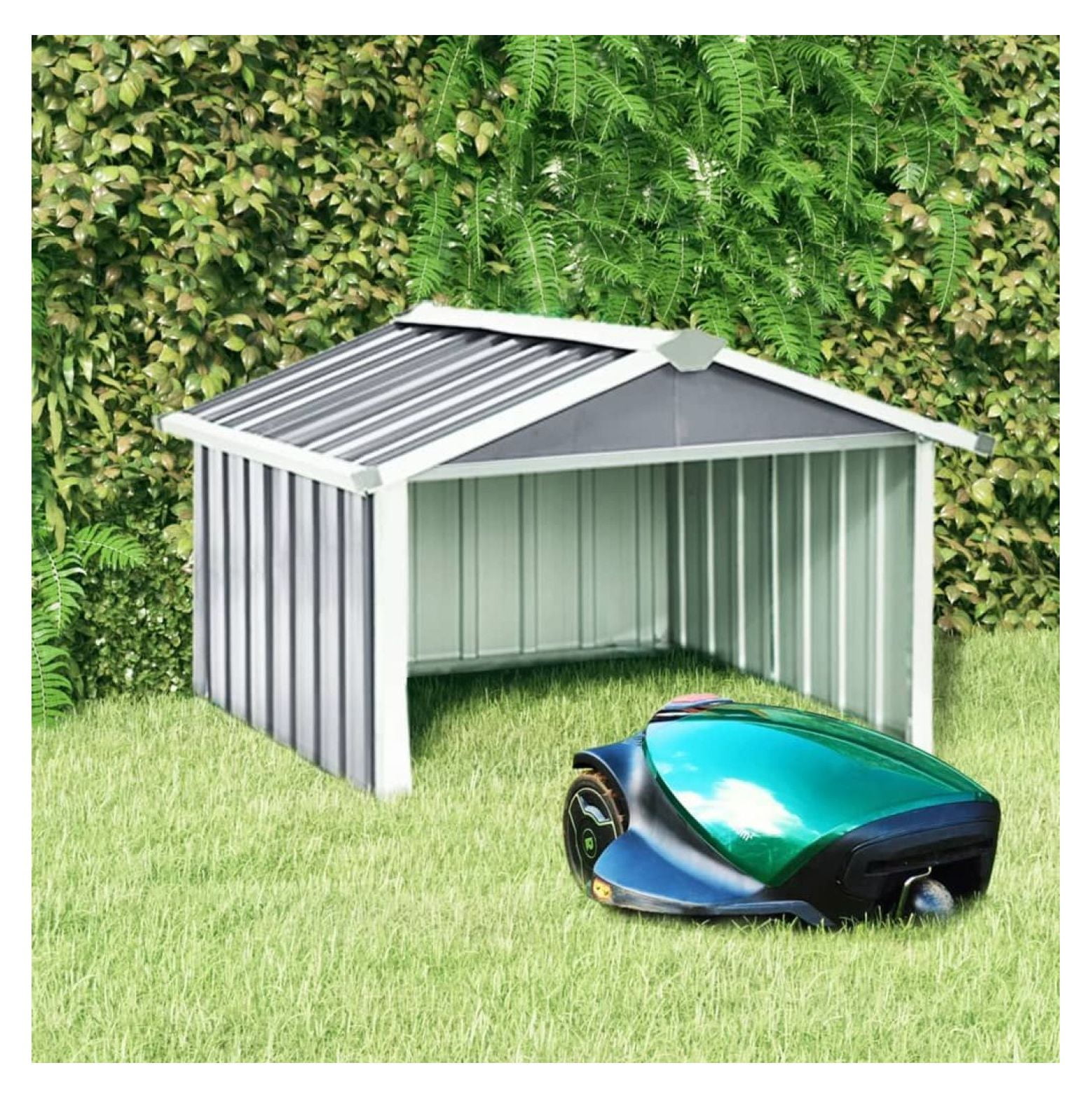
Credit: www.walmart.com
Elevating The Mower
Elevating the mower prevents moisture damage by keeping it off damp ground. Use blocks or a sturdy platform to raise it safely. This simple step helps extend your mower’s life when stored outdoors.
Storing a lawn mower outside requires careful planning. Elevating the mower is a crucial step. It keeps your equipment in top condition. Elevating prevents rust and damage from moisture. This simple practice extends the life of your mower.Preventing Contact With Wet Ground
Ground moisture can harm your mower. Elevating prevents direct contact with wet surfaces. Moisture can lead to rust and corrosion. Rust weakens the mower’s metal parts. Keeping the mower off the ground is essential. It ensures the mower stays dry and functional.Using Pallets Or Racks
Pallets are a practical solution. They are easy to find and use. Place your mower on a wooden pallet. This keeps it off the wet ground. Racks offer another option. They provide a stable platform. Both options elevate the mower effectively. Choose what’s accessible and convenient for you.Regular Maintenance Checks
Regular maintenance checks are essential when you store your lawn mower outside. These checks help prevent damage and keep your mower ready for the next use. Neglecting maintenance can lead to rust, mechanical failures, or battery problems that shorten the mower’s life.
Inspecting For Rust Or Damage
Start by carefully examining your mower for any signs of rust or physical damage. Rust often begins in hidden spots like under the deck or around bolts. Catching rust early means you can clean and treat it before it spreads.
Look closely at the blades, wheels, and frame for cracks or dents. If you spot any damage, address it immediately to avoid bigger problems. Have you checked your mower’s underside lately? It’s a common place for rust to develop, especially if your mower stays outside.
Lubricating Moving Parts
Keeping moving parts lubricated reduces friction and prevents wear. Use a quality lubricant on the wheels, blade spindle, and any other joints. This simple step keeps your mower running smoothly and quietly.
Don’t forget to wipe away old grease before applying new lubricant. Too much buildup can attract dirt and cause parts to stick. How often do you oil your mower? A little regular lubrication saves a lot of repair time down the line.
Battery Care For Electric Mowers
Electric mowers need special attention to their batteries, especially when stored outside. Remove the battery if possible and store it in a cool, dry place to protect it from extreme temperatures. This keeps the battery healthy and extends its lifespan.
If you can’t remove the battery, make sure the mower is covered and off the ground to minimize exposure to moisture. Check the battery charge every few weeks and recharge it if it’s low. Ignoring battery care can leave you with a dead battery come mowing season.
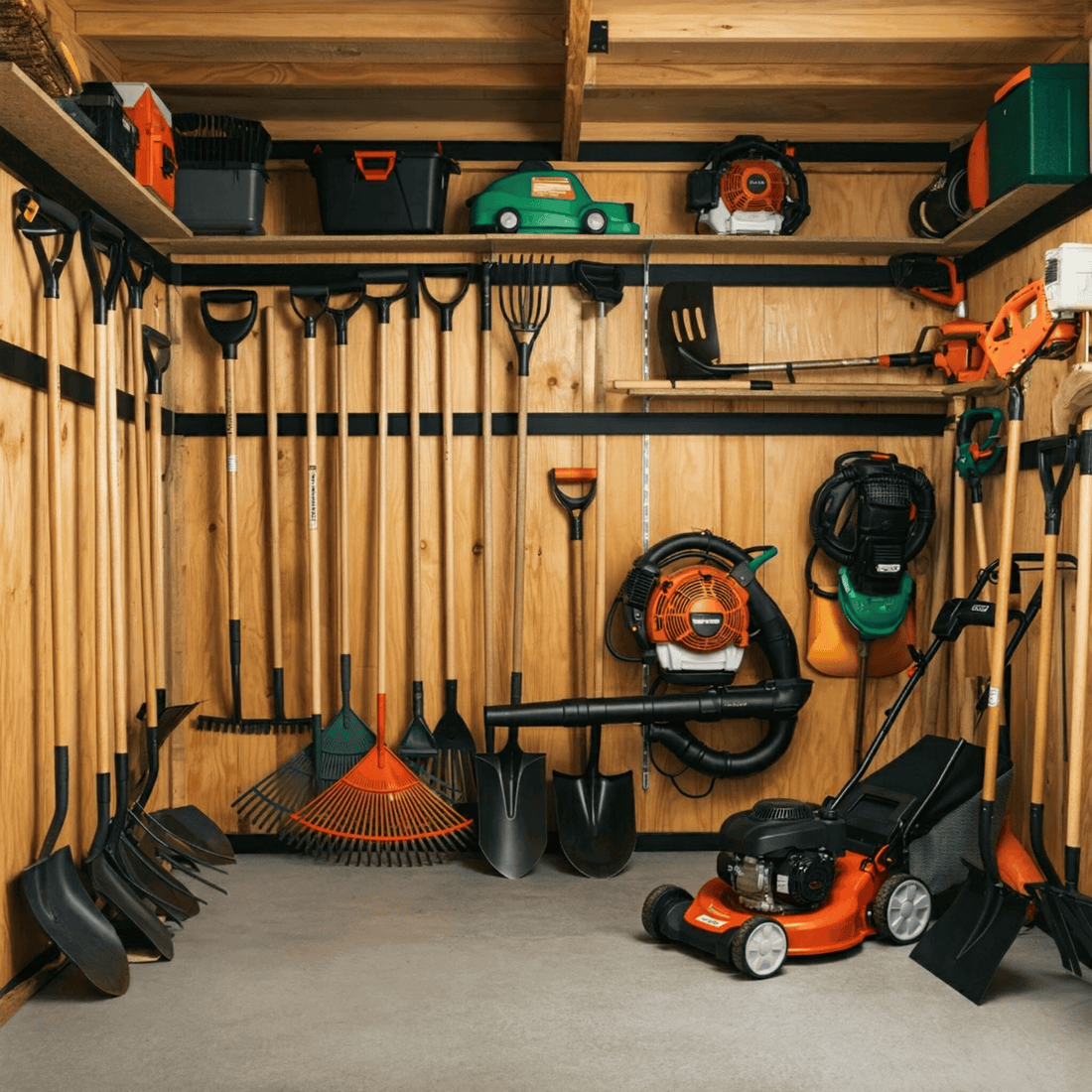
Credit: trimyxs.com
Additional Protective Measures
Protecting your lawn mower outside needs more than just a cover. Extra steps help guard against weather damage and rust. These additional measures keep your mower in good shape for longer. They also protect it from theft and wear.
Using Rust Inhibitors
Rust can quickly damage metal parts of your mower. Applying rust inhibitors stops moisture from causing corrosion. Use sprays or liquids made for metal protection. Focus on exposed blades, bolts, and engine parts. Reapply these inhibitors every few months for best results.
Applying Weatherproof Sprays
Weatherproof sprays add a strong layer against rain and snow. These sprays repel water and prevent moisture buildup. Choose sprays designed for outdoor tools and machines. Cover all surfaces evenly, including handles and wheels. This simple step helps your mower resist harsh weather.
Securing Against Theft
Leaving your mower outside can invite theft. Use heavy-duty locks to secure the mower to a fixed object. Chains or cables work well for this purpose. Park the mower in a visible area with good lighting. These steps reduce the risk of theft and keep your mower safe.
Frequently Asked Questions
How Can I Protect My Lawn Mower Outside?
Use a waterproof cover to shield your mower from rain and UV rays. Store it on a raised platform to avoid moisture damage.
Is It Safe To Leave A Lawn Mower Outside Overnight?
Yes, if covered properly and secured to prevent theft or weather damage. Always drain fuel or use a stabilizer for safety.
What Maintenance Is Needed Before Storing A Mower Outside?
Clean the mower thoroughly, remove grass clippings, and dry it completely. Change the oil and empty the fuel tank to prevent engine issues.
Can Weather Damage My Lawn Mower If Stored Outside?
Yes, exposure to rain, sun, and frost can cause rust and degrade parts. Proper covering and positioning reduce weather-related damage.
Conclusion
Storing your lawn mower outside needs care and planning. Keep it dry and clean before placing it outside. Use a sturdy cover to protect it from rain and dust. Place it on a flat, stable surface to avoid damage. Check the mower regularly for rust or dirt.
Taking these steps helps your mower last longer. Save money and time by keeping it safe outdoors. Simple actions make a big difference in mower care. Your lawn mower will stay ready for the next cut.





