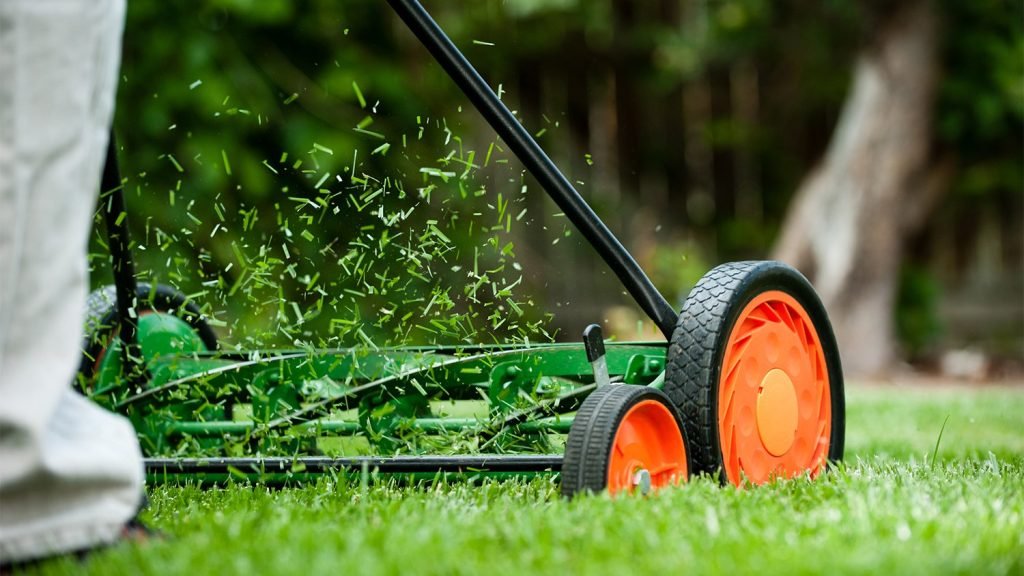
Imagine looking out your window at a perfectly manicured lawn, green and pristine. You might take for granted the ease of maintaining it with your trusty lawn mower.
But have you ever wondered how people managed to keep their grass neat and tidy before the invention of these machines? Believe it or not, maintaining a beautiful lawn wasn’t always so simple. In a world where convenience often rules, it’s fascinating to think about the resourcefulness and creativity our ancestors employed to tackle everyday challenges.
Before you dive back into your daily routine, take a moment to explore these intriguing methods. You might find yourself appreciating your lawn mower even more, or perhaps you’ll discover some old-world techniques to try on your own patch of green. Keep reading to uncover the surprising and ingenious ways grass was cut before lawn mowers made the job a breeze.
Early Grass Cutting Tools
Before lawn mowers, people used simple tools to cut grass. These tools were easy to make and use. They helped keep fields and yards neat. Early grass cutting tools required skill and effort. The tools shaped the way people cared for their land.
Handheld Sickles And Scythes
People used handheld sickles and scythes to cut grass. Sickles had a short curved blade and a handle. They worked well for small areas. Scythes had a long curved blade and a long handle. They made cutting large areas faster. Both tools needed a swinging motion to cut grass.
Sharpening And Maintenance
Keeping blades sharp was key for cutting grass well. Dull blades made cutting slow and hard. People sharpened blades using whetstones or files. Regular sharpening kept tools effective and safe. Maintenance also included cleaning and oiling the blades to stop rust.
Materials Used For Blades
Early blades were mostly made from iron or steel. Iron was easier to shape but rusted faster. Steel blades lasted longer and stayed sharp. Some tools had wooden handles for a strong grip. The choice of material affected how well the tool worked and lasted.

Credit: robertdelwood.medium.com
Manual Labor And Techniques
Before the invention of lawn mowers, maintaining a neat and tidy lawn required a lot of hard work and clever techniques. People relied on manual labor, simple tools, and teamwork to keep grass trimmed. Understanding these old methods can give you a new appreciation for modern convenience—and maybe even inspire a hands-on approach to your own garden.
Cutting By Hand
Grass was often cut using handheld tools like scythes and sickles. These tools demanded skill and strength to use effectively.
Imagine spending hours swinging a scythe, carefully controlling each sweep to avoid uneven patches. It was a workout, but the results were satisfying.
If you’ve ever tried trimming hedges with hand shears, you know how tiring it can be. Now think about doing that for an entire lawn!
Using Animal Power
To ease the burden, people sometimes harnessed animals such as horses or oxen to pull large cutting devices. These machines had blades that sliced through grass as the animals moved forward.
This approach saved time and energy but required training animals and maintaining equipment. It was an early form of mechanization—still manual but less exhausting.
Have you ever considered how much coordination it took to manage both the animals and the cutting tools simultaneously?
Community Efforts In Lawn Care
In many villages, lawn maintenance was a communal task. Neighbors gathered to help each other trim large public spaces or shared gardens.
This practice not only made the work lighter but also strengthened social bonds. Working side by side, people exchanged tips and stories.
Could your neighborhood benefit from similar teamwork to tackle big yard projects? Sometimes, shared effort leads to better results and more fun.
Cultural Practices In Grass Management
Grass management has deep roots in human history, shaped by the needs and beliefs of different cultures. Before lawn mowers existed, people found creative ways to control and maintain grassy areas. These practices were often tied to community life, agriculture, and even spiritual beliefs.
Grass Cutting In Ancient Civilizations
In ancient Egypt, workers used simple tools like sickles made from flint or bronze to trim grass near the Nile. The Greeks and Romans preferred grazing animals such as sheep and goats to naturally keep grass short around homes and public spaces.
These methods weren’t just practical—they were part of a broader approach to land care. Have you ever thought about how using animals to manage your yard could be a natural alternative to machines?
Rituals And Symbolism
Grass cutting was often more than just maintenance; it held symbolic meaning. In some cultures, trimming grass marked the changing of seasons or was part of religious ceremonies.
For example, in Japan, the careful clipping of grass in temple gardens reflected respect for nature and order. Could your own lawn care routine carry a deeper significance if viewed through this lens?
Seasonal Timing And Methods
Timing mattered a lot in traditional grass management. People cut or grazed grass at specific times to encourage healthy regrowth and protect wildlife.
- Early spring cuts helped prepare land for planting.
- Summer grazing kept the grass from growing too tall.
- Late autumn trimming cleared fields for winter rest.
Have you noticed how the best time to mow your lawn changes with the seasons? Understanding this can help you improve your grass’s health naturally.
Tools Evolution Before Modern Mowers
The tools used to cut grass before modern lawn mowers went through many changes. Early tools were simple and required a lot of effort. Over time, inventors created machines that made cutting grass easier and faster. These tools shaped how lawns looked and how people cared for their gardens.
Push Reel Mowers
Push reel mowers appeared in the 19th century. They have rotating blades that cut grass like scissors. People had to push them by hand. These mowers were quieter and cleaner than earlier tools. They allowed for a more even cut, which improved lawn appearance.
Horse-drawn Mowing Machines
Horse-drawn mowing machines came next. They were larger and pulled by horses. This tool could cut bigger areas quickly. Farmers and gardeners used them on large lawns and fields. These machines needed more space to work but saved a lot of time.
Impact On Lawn Appearance
Before modern mowers, lawns looked uneven and rough. Cutting grass with scythes or shears left irregular edges. Push reel mowers made lawns neater and more uniform. Horse-drawn machines helped maintain large, smooth grassy areas. These tools laid the foundation for today’s perfect lawns.
Challenges Without Modern Technology
Cutting grass before lawn mowers was a tough task. People had to rely on simple tools and their own strength. Without modern machines, maintaining a neat lawn required a lot of effort and patience. The process was full of challenges that tested both time and energy.
Labor Intensity
Cutting grass by hand meant hard physical work. People used tools like scythes and sickles. These tools needed constant swinging and precise control. It was tiring and demanded strong arms and good stamina. Many workers felt sore and exhausted after long hours of cutting.
Time Consumption
Grass cutting took much longer without machines. Large areas could not be trimmed quickly. It could take entire days to mow a single lawn. The slow pace meant lawns often grew uneven or overgrown. Patience was essential to finish the job properly.
Effectiveness And Limitations
Hand tools had limits in cutting height and consistency. Uneven cuts were common, leaving patches of tall grass. Thick or wet grass was harder to cut and slowed the work. Tools also needed frequent sharpening to stay effective. This made lawn care less precise and more challenging overall.

Credit: www.yahoo.com

Credit: fencearmor.com
Frequently Asked Questions
How Was Grass Cut Before Lawn Mowers Existed?
Before lawn mowers, people cut grass using sickles, scythes, and shears. These manual tools required physical effort and skill. They were effective for small and large areas alike.
What Tools Did People Use To Trim Lawns Historically?
Historically, sickles and scythes were common lawn trimming tools. Hand shears were also used for precise trimming around edges. These tools allowed controlled, manual grass cutting before machinery.
How Did Manual Grass Cutting Impact Lawn Maintenance?
Manual grass cutting was time-consuming and labor-intensive. It required regular effort to keep lawns tidy. This made lawn care a dedicated task for households and gardeners.
Were Animals Used To Manage Grass Before Mowers?
Yes, grazing animals like sheep and goats helped keep grass short. They naturally trimmed lawns by eating the grass. This method was eco-friendly and cost-effective.
Conclusion
Grass cutting before lawn mowers was hard work. People used tools like scythes and sickles. These tools needed skill and strength. Cutting grass took much more time then. Today’s lawn mowers make the job easier and faster. Knowing old methods helps us appreciate modern tools.
It also shows how people managed without machines. Grass cutting has changed a lot over time. The past reminds us of simple, hands-on work.





