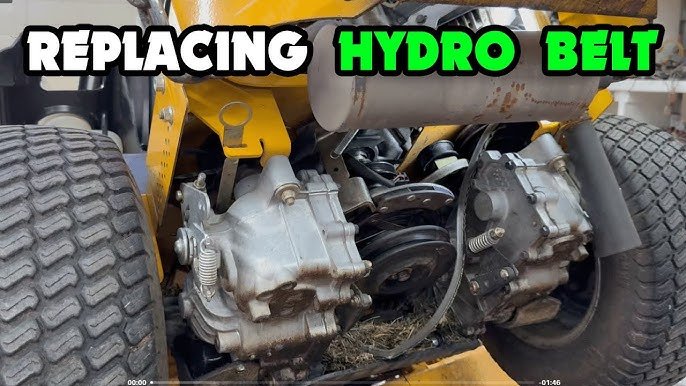
Is your mower not cutting as smoothly as before? A worn or broken engine belt might be the culprit.
Replacing mower engine belts might sound tricky, but with the right steps, you can fix it yourself and save time and money. In this guide, you’ll find simple, clear instructions that anyone can follow. By the end, you’ll have your mower running like new again.
Ready to get started? Let’s dive in and make your mower work perfectly once more.
Credit: www.youtube.com
Signs Of A Worn Mower Belt
A mower belt plays a key role in transferring power from the engine to the blades. A worn mower belt can cause poor cutting and mower malfunctions. Spotting signs of a worn belt helps avoid bigger problems and costly repairs.
Watch for unusual noises and poor performance during mowing. Visual checks also reveal cracks or frayed edges on the belt. Early detection keeps your mower running smoothly.
Common Belt Problems
- Cracks or splits on the belt surface
- Frayed or worn edges
- Glazing or shiny spots from slipping
- Loose or stretched belt causing slippage
- Squealing noises during mower operation
- Burn marks or a burnt rubber smell
When To Replace The Belt
Replace the belt if you find cracks or fraying. Slipping belts reduce cutting efficiency and strain the engine.
Change the belt when it looks glazed or shiny. A glazed belt will slip and cause noise. If the belt is loose or stretched, it cannot maintain tension. This reduces mower power.
Frequent belt squeals and burning smells signal urgent replacement. Timely belt changes prevent mower breakdowns.

Credit: www.youtube.com
Tools And Materials Needed
Replacing mower engine belts requires having the right tools and materials. This ensures the job is done safely and correctly. Using proper tools reduces the risk of damage and saves time. Preparing all items before starting helps the process go smoothly.
Essential Tools
- Socket wrench set for removing bolts
- Screwdrivers (flathead and Phillips)
- Pliers for gripping and pulling belts
- Work gloves to protect your hands
- Flashlight for better visibility
- Service manual for your mower model
Choosing The Right Replacement Belt
Find the exact belt size for your mower model. The belt size is usually printed on the old belt or in the manual. Using the wrong belt causes poor performance and damage.
Look for belts made from durable materials. High-quality belts last longer and resist wear. Check for belts designed for your mower brand.
Preparing Your Mower
Preparing your mower properly makes replacing the engine belts easier and safer. This stage helps prevent accidents and ensures smooth work. Taking time to get ready can save frustration later. Follow these key steps before starting the repair.
Safety Precautions
- Turn off the mower and remove the key.
- Disconnect the spark plug wire to stop accidental starts.
- Wear gloves to protect your hands from sharp parts.
- Use safety glasses to shield your eyes from debris.
- Keep children and pets away from the work area.
Positioning The Mower For Repair
Move the mower to a flat, stable surface. This prevents it from tipping over during the repair. Make sure the area is well-lit and dry.
Use blocks or ramps to lift the mower slightly, if needed. This gives better access to the belts and pulleys. Avoid placing the mower upside down. Instead, tilt it on its side with the air filter and carburetor facing up.
Removing The Old Belt
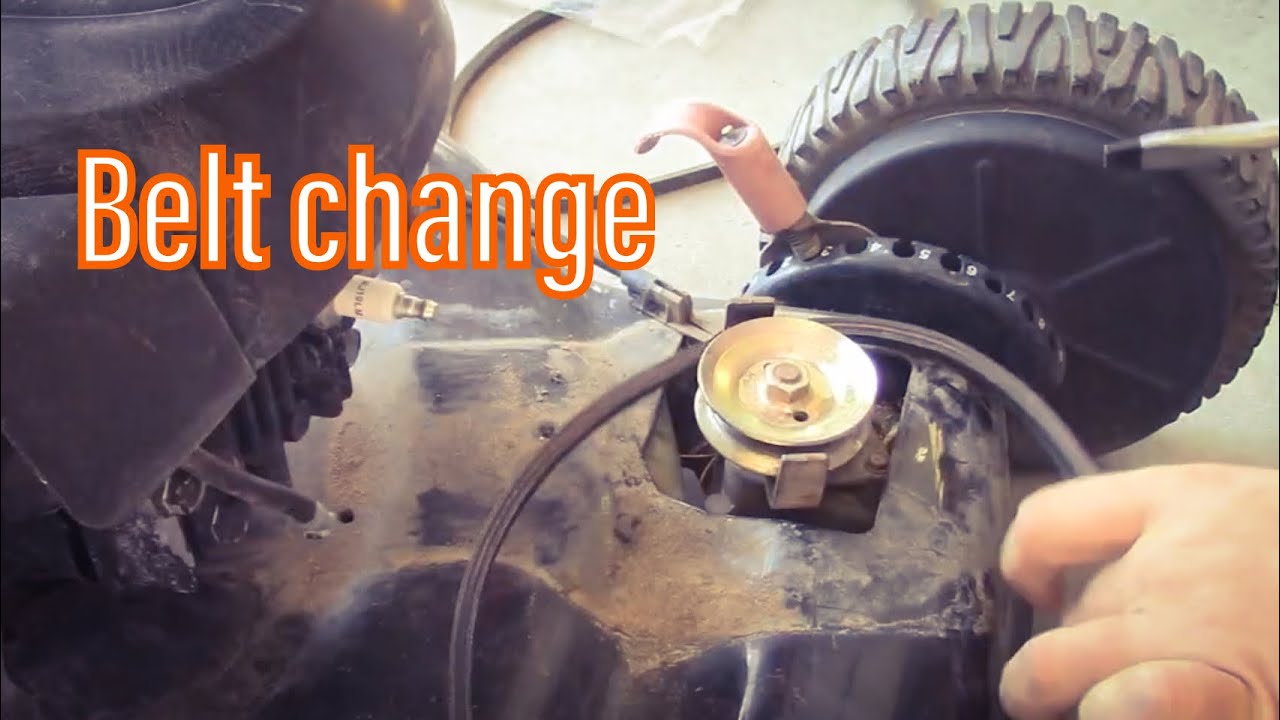
Begin by loosening the tension on the belt to make removal easier. Carefully slide the old belt off the pulleys, noting its path for the new one. Handle the belt gently to avoid damaging any parts during removal.
Replacing the mower engine belt can seem daunting, but it’s actually quite straightforward once you get the hang of it. The first step is removing the old belt, which is crucial for the smooth operation of your mower. By understanding the intricacies involved in this process, you can save time, money, and ensure your mower runs efficiently.Accessing The Belt Area
Begin by ensuring your mower is on a flat surface and the engine is turned off. Safety is paramount, so disconnect the spark plug to prevent accidental starts. Tilt the mower carefully or use a jack if necessary to gain access to the underside. This is where the belt area is located, often covered by a protective shield. Remove this shield with a screwdriver or wrench, depending on how it’s attached. Once the shield is off, you’ll have a clear view of the belt and pulleys. It’s a good idea to take a picture for reference before proceeding. Have you ever tried putting something back together and found you had an extra screw? A quick snapshot can prevent this!Detaching The Belt From Pulleys
With the belt area exposed, gently tug on the belt to locate the pulleys. The belt typically runs through several pulleys, forming a loop. Start by loosening the tension on the belt. This can usually be done by adjusting the tensioner pulley. Once the tension is relieved, slide the belt off the pulleys one by one. Remember, each mower might have a slightly different configuration. Check your manual if you’re unsure. As you remove the belt, take note of any wear or damage. This could indicate other maintenance issues. Removing the old belt is an essential step in ensuring your mower’s longevity. Have you ever noticed how a small maintenance task can prevent bigger problems? Attention to detail now can save you hassle later.Installing The New Belt
Installing the new mower engine belt is a crucial step that determines how well your mower will perform. If the belt isn’t placed or tensioned correctly, it can slip, wear out quickly, or even cause damage to other parts. Taking your time during installation ensures a smooth-running mower and saves you from frequent repairs.
Routing The Belt Correctly
Before you start, check your mower’s manual or look for a belt routing diagram usually found under the mower deck. The belt must follow the exact path around pulleys and idlers to function properly.
Pay close attention to how the belt fits around each pulley—some pulleys might have grooves or raised edges to keep the belt in place. If you’ve ever tried to ride a bike with a chain off track, you know how important correct alignment is.
Use your hands to gently loop the belt around the pulleys, avoiding any twists or kinks. It helps to rotate the pulleys by hand to guide the belt into position. If you feel resistance, double-check the routing before forcing the belt.
Ensuring Proper Tension
Proper tension keeps the belt tight enough to grip the pulleys without slipping but not so tight that it strains the mower’s components. Ask yourself: does the belt have a little give when you press it, or is it rock solid?
Many mowers have a tensioner pulley or an adjustable bracket that controls belt tightness. Loosen or tighten these parts as needed to get the right tension.
Here’s a quick test: press the belt at the midpoint between pulleys. It should move about half an inch with moderate pressure. Too loose? It will slip or jump off. Too tight? You might hear squealing or see premature wear.
Testing The Repair
Testing the repair after replacing mower engine belts ensures everything works properly. This step confirms the belt is installed correctly and the mower runs smoothly. Careful observation helps catch any issues before regular use.
Starting The Mower
Begin by moving the mower to an open area. Make sure the mower is on a flat surface. Turn on the engine following the manufacturer’s instructions. Listen closely for any unusual sounds or vibrations. A smooth start means the belt is likely installed correctly.
Checking Belt Performance
Watch the belt as the mower runs. It should move steadily without slipping or jerking. Look for any signs of wear or misalignment. Test the mower blades to ensure they spin evenly. If the belt slips or makes noise, it may need adjustment or replacement.
Maintenance Tips For Longevity
Proper maintenance extends the life of mower engine belts. Simple care steps avoid frequent replacements. Keeping belts in good shape ensures smooth mower performance and saves money.
Regular Inspections
Check belts for cracks, frays, or signs of wear every few uses. Look for belt tension—too loose or too tight harms the belt. Clean away grass clippings and dirt that can cause damage. Replace belts immediately if damage appears to prevent mower breakdowns.
Storage Recommendations
Store your mower in a dry, shaded place. Avoid exposure to direct sunlight which dries out belts. Keep the mower off wet ground to prevent rust and belt deterioration. Remove the belt if storing the mower for many months to avoid belt damage.

Credit: www.youtube.com
Frequently Asked Questions
How Do I Know When To Replace Mower Engine Belts?
You should replace mower engine belts if they show cracks, fraying, or slipping. Worn belts reduce mower performance and can break during use.
What Tools Are Needed To Replace Mower Engine Belts?
Basic tools include a socket set, screwdrivers, and pliers. Some mowers may require a belt tensioner tool for proper installation.
Can I Replace Mower Engine Belts Myself Safely?
Yes, with proper safety measures and the right tools, you can replace belts yourself. Always disconnect the spark plug before starting the replacement.
How Often Should Mower Engine Belts Be Replaced?
Replace belts every 1 to 2 years or after 100 hours of use. Regular inspection helps catch wear before failure occurs.
Conclusion
Replacing mower engine belts keeps your mower working well. Regular checks help spot wear or damage early. Use the right tools and follow safety steps. Take your time to fit the belt properly. A good belt improves cutting and mower life.
Keep your mower ready for every lawn job. Simple care goes a long way for smooth mowing. Don’t let a worn belt slow you down. Now, your mower is set to work like new.





