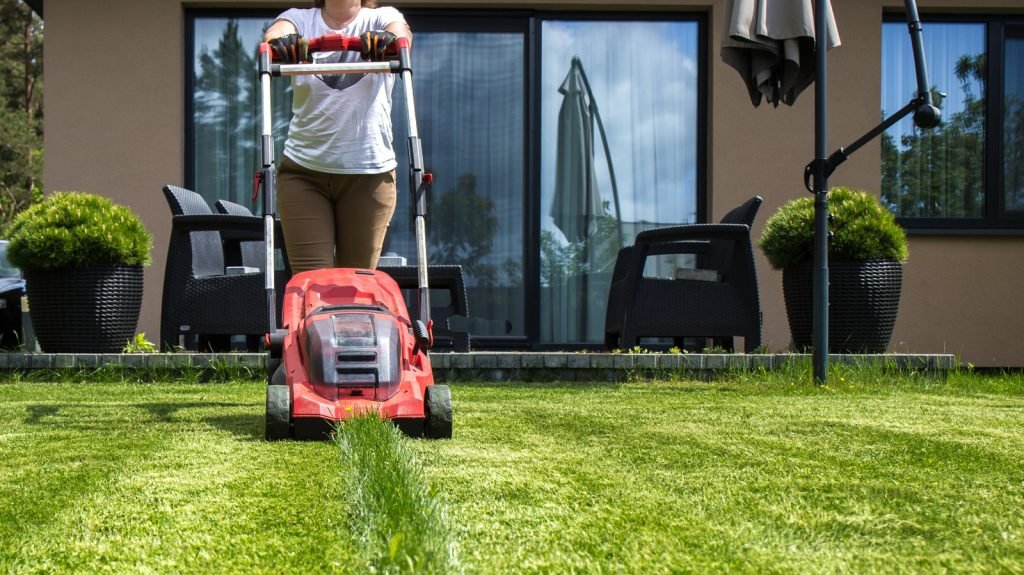
Rust can quickly turn your trusty mower into a rusty, unreliable machine. If you want your mower to last through many seasons and work smoothly every time you need it, protecting it from rust is crucial.
You might think rust is just a minor issue, but it can cause serious damage that’s expensive to fix. Luckily, with a few simple steps, you can keep your mower in top shape and avoid costly repairs. Keep reading to discover easy and effective ways to protect your mower from rust and make sure it stays ready for action whenever you need it.
Causes Of Mower Rust
Rust on mowers happens for several reasons. Understanding these causes helps protect your mower better. Rust weakens metal parts and shortens mower life. Knowing what brings rust can guide proper care.
Moisture Exposure
Water is the main enemy of metal parts. Rain, dew, and even washing can leave moisture on the mower. This moisture stays on the surface and starts rusting. Leaving the mower outside in wet conditions speeds up rust formation. Wet grass clippings on the mower deck also trap moisture. This creates the perfect environment for rust to grow.
Lack Of Maintenance
Ignoring regular mower care leads to rust problems. Dirt and grass build-up hold moisture close to metal. Not cleaning the mower after use leaves parts damp. Failing to oil or paint metal surfaces removes protection. Small scratches and chips on paint expose metal to air and moisture. Lack of maintenance allows rust to form unnoticed and spread fast.
Environmental Factors
Weather and surroundings affect rust risk. Humid climates increase moisture in the air. Coastal areas have salty air that speeds up rusting. Dust and dirt from fields can scratch paint and expose metal. Storing the mower on soil or grass keeps it damp. Cold weather can cause condensation on metal surfaces. These environmental elements combine to increase rust chances.

Credit: www.housedigest.com
Cleaning After Use
Cleaning your mower after every use helps stop rust from forming. Dirt, grass, and moisture cause metal parts to corrode. A clean mower runs better and lasts longer. Pay close attention to areas that hold wet grass or soil. Regular cleaning also keeps your mower safe and ready for the next cut.
Removing Grass Clippings
Grass clippings stick to the mower deck and blades. Remove clumps carefully to avoid damage. Use a brush or a plastic scraper. Avoid metal tools that can scratch the surface. Clear out all grass debris from the cutting area and around the blade.
Washing And Drying
Wash the mower with a hose or a bucket of water. Do not spray water directly on the engine or electrical parts. Use mild soap and a soft cloth for stubborn dirt. Rinse thoroughly to remove all soap. Dry the mower completely using a clean towel or let it air dry in the sun.
Cleaning The Undercarriage
The undercarriage collects dirt and wet grass. Lift the mower or tilt it carefully to access this part. Scrape off mud and grass with a plastic scraper or brush. Rinse with water and dry it well. Keeping the undercarriage clean helps prevent rust and keeps blades sharp.
Proper Storage Techniques
Proper storage is key to keeping your mower free from rust. Moisture and dirt are the main enemies that cause rust, so how you store your mower makes a big difference. Paying attention to storage details can save you money and extend the life of your mower.
Indoor Storage Benefits
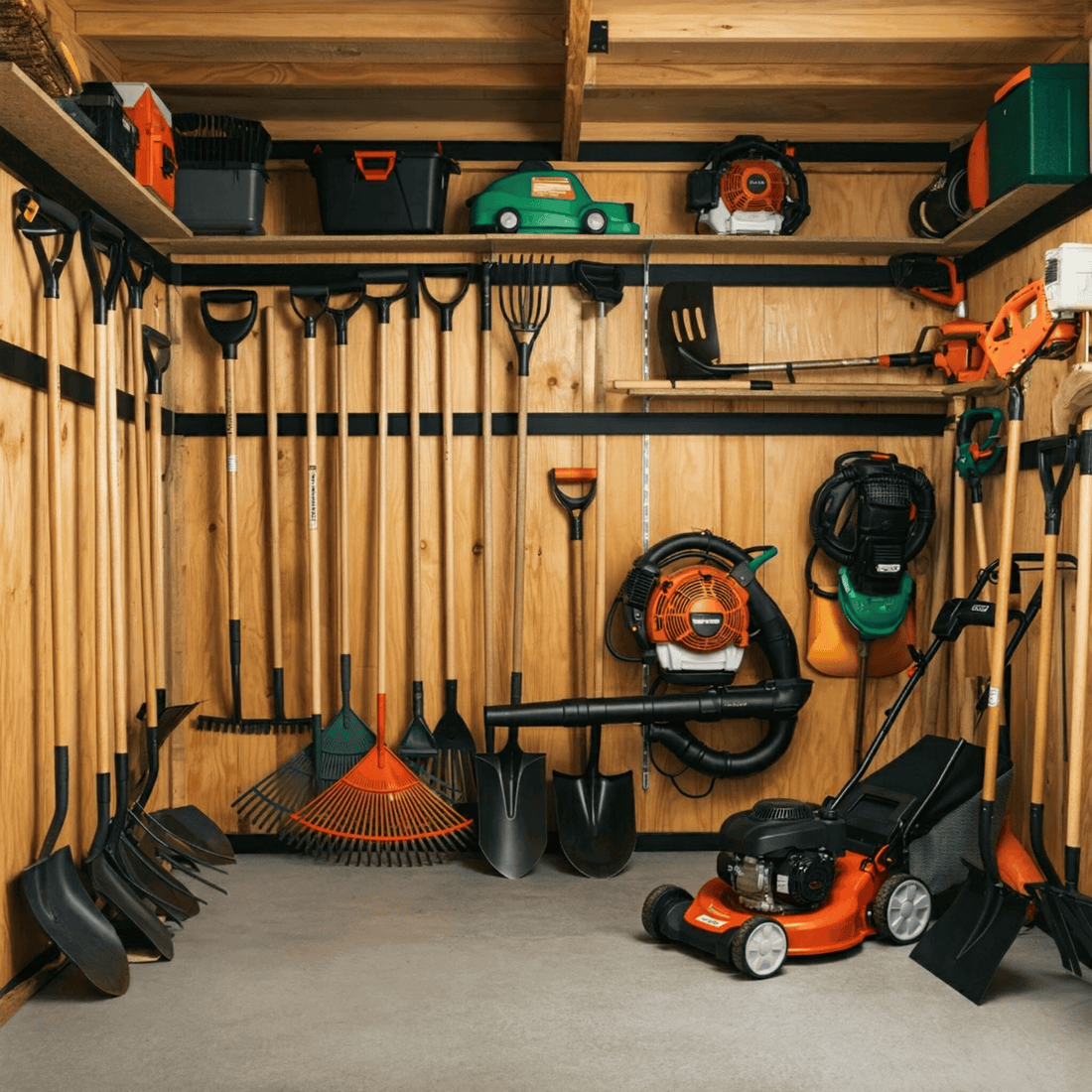
Storing your mower indoors protects it from rain, snow, and dew. This reduces the chance of moisture settling on the metal parts and causing rust. A garage or shed with good ventilation works best to keep the mower dry and in good shape.
I once left my mower outside through a rainy season and saw rust spots appear within weeks. Moving it indoors the next season stopped the problem completely. Could a simple change in location protect your mower too?
Using Protective Covers
If indoor storage isn’t an option, a protective cover is your next best choice. Look for covers made from waterproof and breathable materials to keep moisture out while allowing air circulation. Avoid plastic tarps that trap humidity and can speed up rusting.
Make sure the cover fits snugly but isn’t tight enough to trap condensation. Regularly check underneath to ensure no moisture is accumulating. Have you checked if your mower cover is working or just making the problem worse?
Elevating The Mower
Elevating your mower off the ground prevents it from sitting in water or damp grass. Use sturdy blocks or a shelf to keep it raised. This simple step reduces direct contact with moisture and dirt.
I noticed my mower rusted more when left directly on damp concrete. Elevating it on wooden blocks helped keep moisture away and slowed rust formation. What surface is your mower resting on right now?

Credit: www.housedigest.com
Rust Prevention Products
Protect mowers by applying rust prevention sprays to metal parts after cleaning. Store mowers in dry places to avoid moisture buildup and rust formation. Regular maintenance helps extend mower life and keeps rust away.
Keeping your lawn mower free from rust is crucial to its longevity. Rust prevention products can be game changers in your maintenance routine. These products not only shield your mower but also enhance its performance over time. Let’s explore how you can effectively use these products to protect your investment.Applying Rust Inhibitors
Rust inhibitors act as a protective layer, preventing moisture from settling on your mower’s metal parts. Before applying, ensure the surface is clean and dry. A simple spray or wipe can dramatically reduce rust formation. Choose a product that suits your climate and usage. If you live in a humid area, opt for a heavy-duty inhibitor. Think of it as an insurance policy for your mower.Using Lubricants
Lubricants not only keep the moving parts of your mower functioning smoothly but also prevent rust. Regular application can stop moisture from causing corrosion. Focus on areas like the blades and undercarriage where moisture tends to accumulate. A high-quality lubricant will repel water and protect against wear and tear.Paint And Coatings
A fresh coat of paint or specialized coatings can offer a strong defense against rust. Look for paints designed for outdoor equipment, as they provide better adhesion and protection. Consider applying a clear coat for additional defense. This not only preserves the look of your mower but also adds an extra layer of protection. Remember, a well-maintained mower not only runs better but also lasts longer. Have you thought about how a small investment now can save you hundreds in repairs later? Taking these steps can help ensure your mower is ready for every season, rust-free.Regular Maintenance Tips
Regular maintenance keeps your mower in top shape and prevents rust. Simple checks and care help extend the mower’s life. Spend a little time regularly to avoid big repairs later.
Blade Care And Sharpening
Clean the blades after each use to remove grass and dirt. Dry the blades completely to stop moisture buildup. Sharpen blades regularly to cut grass cleanly and reduce wear. Dull blades cause damage and increase rust risk.
Checking For Rust Spots
Inspect your mower for any signs of rust. Look closely around the blade, deck, and screws. Use a wire brush or sandpaper to remove small rust spots. Apply rust-resistant paint or spray after cleaning to protect metal parts.
Tightening Loose Parts
Check bolts, screws, and nuts often. Loose parts cause vibrations that wear down metal quickly. Use the right tools to tighten everything firmly but do not over-tighten. Regular tightening keeps the mower safe and rust-free.
Seasonal Protection Strategies
Seasonal changes can affect your mower’s condition. Rust often forms during periods of inactivity, especially in wet or cold weather. Taking steps each season helps keep your mower rust-free and ready to use. Proper care reduces damage and extends the mower’s life.
Preparing For Winter Storage
Winter brings moisture and cold, which cause rust quickly. Clean the mower thoroughly, removing grass clippings and dirt. Drain the fuel or add a fuel stabilizer to avoid damage. Change the oil to prevent corrosion inside the engine. Remove the battery and store it indoors to keep it dry. Cover the mower with a waterproof cover, and place it in a dry, sheltered spot. Keep it off the ground using blocks or a pallet to avoid moisture contact.
Spring Maintenance Routine
Spring starts the mowing season. Begin with a full inspection for rust or damage. Clean the mower again, focusing on blades and undercarriage. Sharpen or replace blades to ensure smooth cutting. Check oil levels and replace if needed. Reinstall the battery and test the mower’s functions. Apply a light coat of oil or rust-preventive spray on metal parts. This step helps protect exposed surfaces from moisture and rust during use.
Credit: trimyxs.com
Frequently Asked Questions
How Can I Prevent Mower Rust Effectively?
Regular cleaning and drying your mower after use prevents rust. Apply a protective oil or spray to metal parts for extra protection. Store the mower in a dry, sheltered place to avoid moisture exposure.
What Products Help Protect Mowers From Rust?
Rust-inhibitor sprays, lubricants, and protective oils are effective. WD-40 and specialized mower blade oils work well. Always apply these products after cleaning and drying the mower.
How Often Should I Clean My Mower To Avoid Rust?
Clean your mower after every use or at least once a week. Remove grass clippings, dirt, and moisture. Regular cleaning reduces rust risk and keeps the mower in good condition.
Is It Necessary To Sharpen Mower Blades To Prevent Rust?
Yes, sharp blades resist rust better. Dull blades trap moisture and debris, increasing rust risk. Regular sharpening maintains blade efficiency and reduces corrosion.
Conclusion
Protecting your mower from rust keeps it working longer. Clean the mower after every use to remove dirt and moisture. Dry it well before storing. Use oil or spray to coat metal parts. Store the mower in a dry, covered place.
Check for rust often and treat it quickly. Small steps make a big difference. Keep your mower ready for every season. Rust protection saves money and effort in the long run. Simple care ensures your mower stays strong and reliable.





