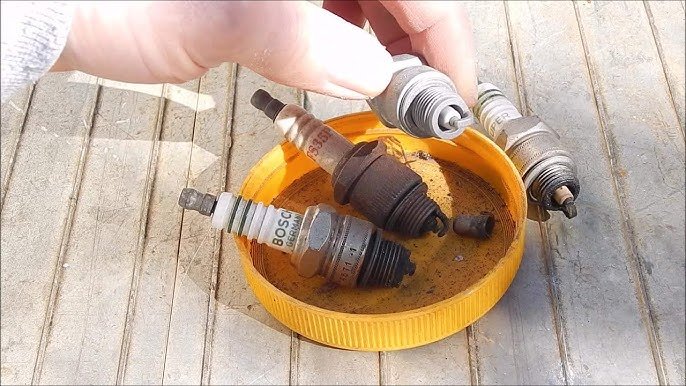
If your lawn mower isn’t starting or running smoothly, the spark plug might be the culprit. Cleaning your mower’s spark plug is a simple task that can save you time and money.
You don’t need to be a mechanic to do it, and with the right steps, you can get your mower back in top shape quickly. Keep reading to learn how to clean your mower spark plug easily and effectively, so your lawn stays perfectly trimmed all season long.
Credit: www.familyhandyman.com
Signs Of A Dirty Spark Plug
A dirty spark plug can cause many problems for your mower. It may not work as well as before. Knowing the signs helps you fix the issue early. Spotting these signs saves time and money on repairs.
Reduced Engine Performance
The mower may run slower than usual. It can lose power on hills or thick grass. The engine might stall or hesitate during use. These are clear signs the spark plug is dirty. A weak spark means poor combustion inside the engine.
Difficulty Starting The Mower
The mower struggles to start or needs many pulls. The engine may crank but not fire up right away. A dirty spark plug can stop the spark from igniting fuel. This makes starting the mower hard and frustrating.
Unusual Engine Noises
You might hear popping, sputtering, or knocking sounds. These noises mean the engine is not running smoothly. Dirty spark plugs cause misfires, leading to strange sounds. Listen carefully for these clues when your mower acts up.
Tools And Materials Needed
Before you start cleaning your mower’s spark plug, gathering the right tools and materials is essential. Having everything ready not only speeds up the process but also ensures you do the job effectively. Are you prepared to handle this simple maintenance task like a pro?
Spark Plug Wrench
A spark plug wrench is a must-have tool designed specifically to remove and install spark plugs without damaging them. It fits snugly around the plug, giving you the leverage needed to loosen or tighten it easily.
Using the right wrench prevents stripping the spark plug’s hex head, which can happen if you try to use pliers or adjustable wrenches. If you don’t have one, check your mower’s manual to find the correct size, or consider buying a spark plug socket set for versatility.
Wire Brush Or Spark Plug Cleaner
Cleaning the spark plug’s electrodes and threads requires a wire brush or a specialized spark plug cleaner. A wire brush removes carbon deposits and dirt, restoring the plug’s performance.
Some spark plug cleaners use abrasive material and compressed air, offering a quicker and more thorough clean. Choose a tool that you feel comfortable handling and that matches your budget.
Cleaning Solvent
Applying a cleaning solvent helps dissolve stubborn grime and oil on the spark plug. Common choices include carburetor cleaner or a dedicated spark plug cleaning spray.
Spray the solvent on the spark plug and let it sit for a few minutes before scrubbing. This step ensures you remove all deposits that a brush alone can’t handle, improving ignition efficiency.
Replacement Spark Plug (optional)
Sometimes cleaning isn’t enough. If your spark plug is worn out or damaged, having a replacement ready saves a trip to the store.
Check your mower’s manual for the exact spark plug type and gap specifications. Even if your current plug looks fine, keeping a spare on hand can help avoid downtime during peak mowing season.
Removing The Spark Plug
Removing the spark plug is the first step to cleaning it properly. This process ensures safe handling and prevents damage to your mower. Take time to locate and disconnect the spark plug carefully. Use the right tools to avoid stripping or breaking the plug. Follow these steps to remove the spark plug efficiently.
Locating The Spark Plug
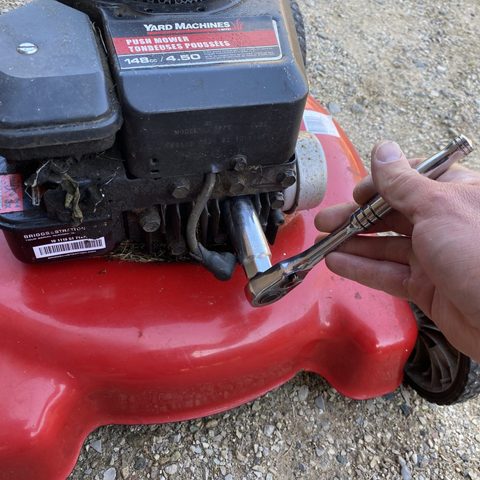
The spark plug is usually on the side or top of the mower engine. It has a thick wire attached to it. Look for a small metal cylinder with a rubber cap. Check near the engine block and air filter. Clear any grass or debris around to see it clearly.
Disconnecting The Spark Plug Wire
Grab the rubber boot covering the wire, not the wire itself. Pull the boot gently to avoid damage. Wiggle slightly if it feels stuck. Disconnecting the wire stops the engine from starting accidentally. Keep the wire away from the spark plug hole during cleaning.
Using The Spark Plug Wrench Safely
Use a spark plug wrench or a socket wrench of the right size. Fit the wrench firmly on the spark plug’s hex shape. Turn counterclockwise to loosen the plug. Apply steady pressure to avoid stripping the threads. Remove the plug by hand once loose. Place it on a clean surface to prevent dirt contamination.

Credit: www.youtube.com
Cleaning The Spark Plug
Cleaning the spark plug is a crucial part of maintaining your mower’s engine. A clean spark plug ensures efficient ignition, better fuel economy, and smoother operation. Neglecting this step can lead to poor performance or even engine failure, so it’s worth taking the time to do it right.
Inspecting For Damage
Before you start cleaning, carefully check the spark plug for any cracks, chips, or heavy wear. A damaged plug won’t work properly, no matter how clean it is. If you spot any damage, replacing the spark plug is the best option to avoid future problems.
Using A Wire Brush To Remove Deposits
Use a wire brush to gently scrub away carbon buildup and dirt from the spark plug’s metal parts. Focus on cleaning the electrode and threads without applying too much pressure to avoid damage. This simple step can greatly improve the spark plug’s performance and lifespan.
Applying Cleaning Solvent
After brushing, apply a cleaning solvent designed for spark plugs or a carburetor cleaner to dissolve stubborn deposits. Let it soak for a few minutes to loosen grime stuck in tight spots. This helps restore the plug’s efficiency and prevents misfires caused by dirt.
Drying The Spark Plug
Once cleaned, make sure the spark plug is completely dry before reinstalling it. Use compressed air or simply let it air dry in a warm, dry place. Moisture inside the spark plug can cause ignition problems, so don’t skip this step.
Checking And Adjusting The Gap
Checking and adjusting the gap on your mower’s spark plug is a simple task that can make a big difference in how well your mower runs. The gap is the space between the center electrode and the ground electrode. If this gap is too wide or too narrow, it can cause poor engine performance or even prevent the mower from starting.
Measuring The Gap
To measure the gap, you’ll need a spark plug gap tool or feeler gauge. These tools let you check the exact distance between the electrodes. Carefully slide the tool into the gap; it should fit snugly without forcing it.
Don’t guess the gap size—refer to your mower’s manual for the recommended measurement. Usually, the ideal gap is between 0.025 and 0.035 inches, but it varies by model. Knowing this number is key to proper adjustment.
Using A Gap Tool To Adjust
If the gap is off, use the gap tool to adjust it. To increase the gap, gently bend the ground electrode away from the center electrode. To decrease the gap, carefully tap the ground electrode closer.
Take your time and make small adjustments. It’s easy to overdo it and damage the electrode. After each tweak, re-measure the gap until it matches the recommended size perfectly.
Importance Of Correct Gap Size
A correct gap size ensures the spark plug fires efficiently, igniting the fuel-air mixture properly. If the gap is too small, the spark may be weak, causing misfires or difficulty starting. If it’s too large, the spark might be inconsistent, leading to rough idling or poor engine power.
Think about the last time your mower struggled to start—could the spark plug gap have been the silent culprit? Checking and adjusting the gap is a quick maintenance step that can save you from frustrating breakdowns and extend your mower’s life.

Credit: www.youtube.com
Reinstalling The Spark Plug
Gently screw the spark plug back into the mower’s engine by hand. Tighten it firmly with a wrench, but avoid overtightening. Ensure the spark plug wire connects securely to complete the reinstall.
Reinstalling the spark plug in your mower is a crucial step to ensure your machine runs smoothly. A properly installed spark plug can significantly affect engine performance. Let’s walk through the key steps to get your mower back in action efficiently.Threading The Spark Plug Correctly
Start by carefully threading the spark plug into the engine. Use your hand to gently turn it clockwise, ensuring it fits snugly in the hole. Avoid cross-threading which can damage the threads; if it resists, back it out and start again.Tightening To The Right Torque
Once the plug is correctly threaded, it’s time to tighten it. Use a torque wrench to secure the spark plug to the manufacturer’s recommended torque setting. This ensures it’s tight enough to prevent leakage but not so tight that it risks damaging the plug or the engine.Reconnecting The Spark Plug Wire
The final step is reconnecting the spark plug wire. Push the wire’s boot onto the top of the spark plug until you feel it click into place. This connection is vital for delivering the electrical current to ignite the engine. Reinstalling the spark plug may seem like a small task, but it’s the key to keeping your mower in top condition. Do you have any tips or tricks that have worked for you in maintaining your mower? Share them in the comments below!Maintenance Tips For Spark Plugs
Proper care of your mower’s spark plug ensures better engine performance and longer life. Spark plug maintenance helps your mower start easily and run smoothly. Neglecting this small part can cause hard starts or poor fuel efficiency. Follow these tips to keep spark plugs in good shape.
Regular Inspection Schedule
Check the spark plug every 25 hours of mower use or once each mowing season. Look for signs like carbon buildup, oil deposits, or worn electrodes. Clean mild deposits with a wire brush or spark plug cleaner. Replace the spark plug if it looks damaged or heavily worn.
When To Replace The Spark Plug
Replace the spark plug every 100 hours of use or yearly, whichever comes first. If your mower starts hard or runs unevenly, a new spark plug may fix the problem. Use the spark plug type recommended by the mower manufacturer. Always install the spark plug with the correct gap size for best performance.
Storing Your Mower Properly
Before storing your mower for winter, remove the spark plug. Clean and dry the spark plug, then apply a small amount of oil to prevent rust. Store the spark plug in a dry place. Proper storage keeps the spark plug ready for the next mowing season.
Frequently Asked Questions
How Often Should I Clean My Mower Spark Plug?
Clean your mower spark plug after every 25 hours of use or at least once a season. Regular cleaning ensures optimal engine performance and fuel efficiency.
What Tools Do I Need To Clean A Spark Plug?
You need a spark plug socket wrench, wire brush, and carburetor cleaner. These tools help remove dirt, carbon deposits, and rust effectively.
Can I Clean A Spark Plug Without Removing It?
It’s best to remove the spark plug for thorough cleaning. Cleaning without removal might leave deposits inside the engine, affecting performance.
How Do I Know If My Spark Plug Needs Cleaning?
Look for black soot, oil, or carbon buildup on the spark plug. These signs indicate poor combustion and the need for cleaning.
Conclusion
Cleaning your mower’s spark plug keeps the engine running well. Regular care helps avoid starting problems and saves money. Use simple tools and follow safe steps every time. Check the spark plug often, especially before mowing season. Clean parts ensure your mower works smoothly and lasts longer.
Small actions can prevent bigger repairs down the road. Keep your mower ready to go with this easy maintenance tip. Your lawn will thank you for it.





