Have you ever noticed your mower shaking more than usual when you start it up? Those vibrations aren’t just annoying—they can be a sign that something’s wrong with your mower’s engine.
Understanding what causes mower engine vibrations can save you time, money, and frustration. You’ll discover the common reasons behind those shakes and learn how to fix them before they turn into bigger problems. Keep reading to protect your mower and enjoy a smoother, quieter mowing experience.
Common Causes Of Vibrations
Vibrations in your mower engine can be more than just a minor annoyance; they often signal underlying issues that need your attention. Identifying the common causes of these vibrations helps you fix the problem quickly and avoid costly repairs down the line. Let’s break down what usually triggers these unwanted shakes and how you can spot them early.
Worn Or Damaged Blades
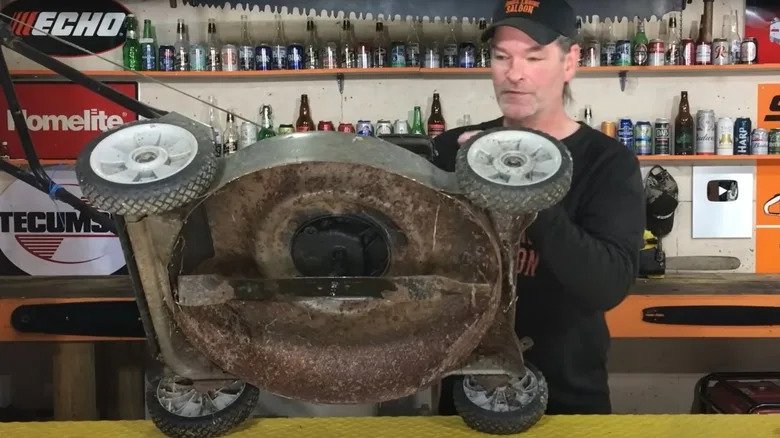
Blades that are dull, bent, or chipped cause uneven cutting and create imbalance. This imbalance sends strong vibrations through your mower every time the blade spins. Checking your blades regularly and replacing or sharpening them when needed keeps your mower running smoothly.
Loose Engine Mounts
Engine mounts hold the engine firmly in place. If they become loose or worn out, the engine can shift and vibrate excessively during operation. Tightening or replacing these mounts will stabilize your mower and reduce those harsh vibrations.
Unbalanced Flywheel
The flywheel helps maintain engine momentum, but if it’s unbalanced, it leads to constant shaking. Dirt buildup or damage can cause this imbalance, so cleaning and inspecting the flywheel frequently is key. Have you noticed your mower shaking more after hitting rough ground? The flywheel could be the culprit.
Debris Buildup
Grass, dirt, and other debris can get stuck under the mower deck or around the blades. This buildup adds extra weight and creates an imbalance that causes vibration. Cleaning your mower after each use prevents this issue and keeps your engine happy.
Engine Misfire Issues
Misfires happen when the fuel-air mixture in the engine cylinder doesn’t ignite properly. This causes uneven power delivery and shaking. If your mower sputters, stalls, or vibrates more than usual, checking the spark plug and fuel system can reveal misfire problems early.

Credit: www.yahoo.com
Identifying Vibration Symptoms
Identifying vibration symptoms in a mower engine is key to keeping it running smoothly. Vibrations can signal underlying problems that need quick attention. Noticing the type and timing of these vibrations helps find the cause faster. Understanding how vibrations affect mower performance also guides proper maintenance and repairs.
Types Of Vibrations
Vibrations vary in intensity and feel. Some are light and barely noticeable. Others are strong enough to shake the whole mower. Common types include:
- Low-frequency vibrations that feel like shaking.
- High-frequency vibrations that cause buzzing or rattling sounds.
- Intermittent vibrations that come and go.
- Constant vibrations felt during operation.
When Vibrations Occur
Vibrations may happen during different mower activities. They often start:
- When the engine is idling.
- At higher speeds or full throttle.
- During blade engagement or cutting.
- On uneven or rough terrain.
Noticing when vibrations occur helps pinpoint whether the problem is engine-related or linked to the mower’s moving parts.
Effects On Mower Performance
Engine vibrations impact mower performance in several ways. They can cause:
- Reduced fuel efficiency.
- Increased wear on engine parts.
- Difficulty in maintaining a smooth cut.
- Damage to the mower’s frame and components.
Ignoring vibrations can lead to bigger, costlier repairs later. Early detection protects your mower and extends its lifespan.
Blade Maintenance And Repair
Blade maintenance and repair play a key role in reducing mower engine vibrations. Worn or damaged blades often cause uneven cuts and shaking. Regular care helps keep the mower stable and efficient. This section covers essential checks and fixes for mower blades.
Checking Blade Condition
Inspect blades for nicks, cracks, or bends before each use. Damaged blades cause imbalance and vibrations. Look closely at the edges and the entire blade length. Replace blades if damage is severe or if blades are too thin from wear.
Sharpening And Replacing Blades
Dull blades tear grass, increasing engine strain and vibration. Sharpen blades regularly to maintain a clean cut. Use a file or grinder carefully, keeping the original angle. Replace blades that cannot be sharpened well or show deep damage.
Balancing The Blades
Unbalanced blades create uneven spinning forces, causing vibrations. After sharpening, check blade balance using a blade balancer or a nail. Adjust by removing small amounts of metal from the heavier side. Balanced blades spin smoothly, reducing engine stress and vibration.
Credit: www.searspartsdirect.com
Engine And Mount Fixes
Mower engine vibrations often happen due to loose or worn engine mounts. Imbalanced blades or debris buildup can also cause shaking. Checking these parts helps keep the mower running smoothly and safely.
Dealing with mower engine vibrations can be a daunting task, especially when you’re mid-mow and the shaking starts. The key to a smooth operation lies in addressing the core issues, often found in the engine and its mounts. Knowing where to begin can save you time and frustration, ensuring your mower runs like a dream. Below, we dive into some practical fixes that will help you tame those vibrations.Tightening Or Replacing Mounts
Loose or worn-out engine mounts are a common cause of vibrations. Regularly check the mounts for any signs of wear or looseness. A quick tightening can often resolve minor issues, but if the mounts are damaged, replacing them is essential. Imagine driving a car with loose wheels—unsteady and dangerous. Similarly, your mower needs secure mounts to function optimally. Keep an adjustable wrench handy in your garage for such quick fixes.Flywheel Inspection And Balancing
The flywheel plays a crucial role in engine balance. Over time, dirt and debris can throw it off balance, causing vibrations. Inspect the flywheel regularly and clean it to ensure it’s free of obstructions. Balancing the flywheel might sound technical, but it’s straightforward. You can use a simple balance tool or consult your mower’s manual for guidance. Addressing flywheel issues early can prevent costly engine damage.Addressing Engine Misfires
Engine misfires can be sneaky culprits behind vibrations. Misfires often stem from issues with the spark plug or fuel system. Regularly checking and replacing spark plugs can prevent misfires. If your mower sputters or hesitates, it’s a sign to examine the fuel system. Ensure fuel filters are clean and fuel lines are clear. Imagine your mower’s engine like a heart—each misfire disrupts its rhythm, so keeping it in tune is crucial. By tackling these elements, you’re not just fixing your mower; you’re enhancing its lifespan and performance. What small adjustments can you make today to ensure a smoother mowing experience?Preventive Measures
Preventing mower engine vibrations starts with simple, regular care. Small actions can keep your mower running smooth and quiet. Avoid costly repairs and extend the engine’s life with these easy steps. A little effort goes a long way in stopping vibrations before they grow.
Regular Cleaning And Inspection
Clean the mower after every use. Remove grass, dirt, and debris around the engine. Check for loose bolts or parts that might shake during use. A clean engine runs cooler and smoother. Inspect the blades for damage or imbalance. Replace or sharpen blades to reduce vibration. Look for cracks or wear on belts and pulleys. Fix issues early to prevent bigger problems.
Routine Maintenance Tips
Change the oil regularly to keep the engine lubricated. Use the correct oil type as recommended by the manufacturer. Replace air filters to ensure proper airflow. Clogged filters can cause the engine to run rough. Check spark plugs and replace worn or dirty ones. Tighten all bolts and screws periodically. Well-maintained parts reduce engine stress and vibrations.
Storage Practices To Reduce Wear
Store the mower in a dry, sheltered spot. Avoid leaving it exposed to rain or sun. Drain fuel or add fuel stabilizer before long storage. Old fuel can gum up the engine parts. Remove the battery if the mower won’t be used for months. Cover the mower to protect it from dust and moisture. Proper storage helps keep parts from rusting or wearing out.

Credit: www.yahoo.com
Frequently Asked Questions
What Are Common Causes Of Mower Engine Vibrations?
Common causes include unbalanced blades, loose engine mounts, and worn bearings. Dirt buildup on blades also triggers vibrations. Regular maintenance helps prevent these issues and ensures smooth operation.
How Does An Unbalanced Blade Cause Vibrations?
An unbalanced blade creates uneven weight distribution. This imbalance causes the mower engine to shake during operation. Balancing or replacing blades reduces vibrations and improves mower performance.
Can Loose Engine Mounts Increase Mower Vibrations?
Yes, loose engine mounts fail to secure the engine properly. This causes excessive shaking and vibration during mowing. Tightening or replacing mounts stabilizes the engine and minimizes vibrations.
Why Do Worn Bearings Lead To Mower Engine Vibrations?
Worn bearings increase friction and reduce smooth engine rotation. This results in noticeable vibrations and noise. Replacing worn bearings restores smooth movement and reduces engine vibrations.
Conclusion
Mower engine vibrations often come from loose or damaged parts. Worn-out blades and unbalanced components cause shaking. Dirt buildup and engine issues also create vibrations. Regular checks can keep your mower running smooth. Fix problems quickly to avoid bigger damage.
Quiet, steady engines make mowing easier and safer. Understanding causes helps you maintain your mower well. Keep your mower steady for better lawn care.





