
Have you ever noticed your lawn looking uneven or ragged after mowing? The secret behind a perfect, healthy lawn lies in one simple tool: sharp mower blades.
When your mower blades are dull, you’re not just making your job harder—you’re hurting your grass too. Sharpening your mower blades can save you time, improve your lawn’s appearance, and keep your grass healthier. Ready to discover why this small step makes such a big difference?
Keep reading to find out how sharpening your mower blades can transform your lawn care routine.
Credit: simpsonoutdoorsmagee.com
Benefits Of Sharp Blades
Sharp mower blades offer many benefits for your lawn and mower. They help keep grass healthy and improve the overall look of your yard. Dull blades tear the grass, which can harm its growth. Sharp blades cut cleanly, making a big difference in lawn care.
Cleaner Cuts For Healthier Grass
Sharp blades make smooth, even cuts on grass blades. This prevents jagged edges that can cause stress to the grass. Clean cuts allow grass to heal faster and stay strong. A neat cut reduces damage and keeps the lawn looking fresh.
Reduced Lawn Disease Risk
Dull mower blades tear grass, creating open wounds. These wounds let diseases enter the grass easily. Sharp blades reduce the risk by making precise cuts. Healthy grass resists pests and diseases better than damaged grass.
Improved Growth And Recovery
Grass cut by sharp blades grows back quickly and evenly. It uses energy to grow, not to heal damage. Sharp blades help grass recover faster after mowing. This leads to a thicker, greener lawn over time.
Impact On Cutting Efficiency
Keeping your mower blades sharp directly affects how efficiently your mower cuts through grass. Dull blades tear rather than slice, leading to uneven cuts and a less healthy lawn. Let’s look at how sharpening blades can improve your mowing experience in practical ways.
Faster Mowing Time
Sharp blades cut grass cleanly and quickly, allowing you to finish mowing faster. When blades are dull, you have to slow down or make multiple passes to get an even cut. Have you noticed how much longer your last mowing session took? That’s often a sign your blades need sharpening.
Less Strain On Mower Motor
Dull blades force your mower’s motor to work harder, increasing wear and the risk of overheating. Sharp blades glide through grass with less resistance, reducing fuel consumption and extending engine life. Think about how your mower feels during use—is it struggling more than usual? That’s a clear signal to sharpen your blades.
Even Cutting Height
Sharp blades ensure every blade of grass is cut at the same height, giving your lawn a clean, uniform look. Uneven cutting caused by dull blades stresses grass and invites disease. When you want your lawn to look its best, maintaining a consistent cutting height by sharpening blades is key.
Signs Blades Need Sharpening
Recognizing the signs that your mower blades need sharpening can save you time, effort, and keep your lawn looking its best. Dull blades don’t just affect the quality of the cut—they can also harm your grass and strain your mower. Paying attention to subtle changes in your lawn’s appearance and your mowing experience helps you know exactly when it’s time to sharpen.
Torn Or Brown Grass Tips
Have you noticed your grass looking ragged or having brown tips after mowing? This is a common sign that your mower blades are dull. Instead of cleanly slicing the grass, dull blades tear it, causing damage that leaves your lawn vulnerable to disease and stress.
Sharp blades cut grass cleanly, helping it heal faster and maintain a vibrant green color. Next time you see those jagged edges or brown spots, consider it a signal to sharpen your blades.
Uneven Cutting Patterns
Uneven patches or stripes on your lawn often mean your mower blades aren’t cutting evenly. When blades become dull, they fail to trim all blades of grass at the same height, leaving some areas longer than others.
This uneven cut not only looks sloppy but can encourage weeds and pests to take hold. If you find yourself spending more time edging or trimming after mowing, it might be time to check your blades.
Increased Effort While Mowing
Have you felt your mower struggling more than usual to cut through the grass? Dull blades require your mower to work harder, which means more fuel consumption and wear on the engine. You might even notice your mower slowing down or overheating.
Sharp blades slice through grass effortlessly, making your mowing experience smoother and quicker. Pay attention to how your mower feels during use; it’s a practical way to gauge blade sharpness without inspecting them directly.

Credit: www.youtube.com
How Often To Sharpen Blades
Dull mower blades tear grass, causing uneven cuts and lawn damage. Sharpening blades regularly keeps grass healthy and mowing efficient. Typically, blades need sharpening after 20-25 hours of use.
Sharpening your mower blades is crucial for maintaining a healthy lawn. Dull blades can tear grass rather than cutting it cleanly, which can lead to brown, ragged tips and increase the risk of disease. The frequency of sharpening depends on several factors, including how often you mow and the conditions of your yard.Seasonal Guidelines
In general, it’s a good idea to sharpen your mower blades at the start of each mowing season. During peak growing months, when you mow more frequently, consider sharpening them every 1-2 months. This ensures your mower delivers a clean cut every time, promoting healthier grass.Based On Lawn Size And Use
If you have a large lawn or mow frequently, your blades will dull faster. For smaller lawns or less frequent mowing, you might get away with sharpening once a season. However, if your lawn is your pride and joy, sharpening more often might be worth the extra effort.After Hitting Debris
Accidentally mowing over rocks, branches, or other debris can quickly dull your blades. If this happens, inspect the blades and sharpen them right away. Cutting with dull or damaged blades can stress your lawn and lead to uneven patches. How do you determine when your blades need sharpening? Some people find a visual inspection works best, while others rely on the feel of the grass. What’s your method? Consider keeping a schedule or reminder to help maintain your blades’ sharpness.Sharpening Methods
Choosing the right sharpening method for your mower blades can make a big difference in how well and how long your blades perform. Whether you prefer handling the job yourself or leaving it to experts, understanding your options helps you maintain a clean and healthy lawn. Let’s look at some practical ways to sharpen mower blades and keep them in top shape.
Diy Sharpening Tools
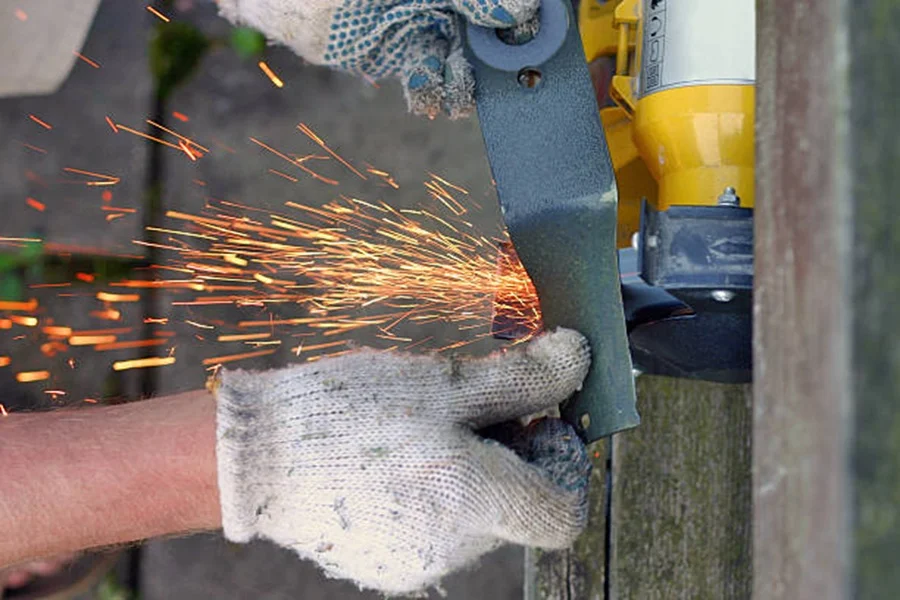
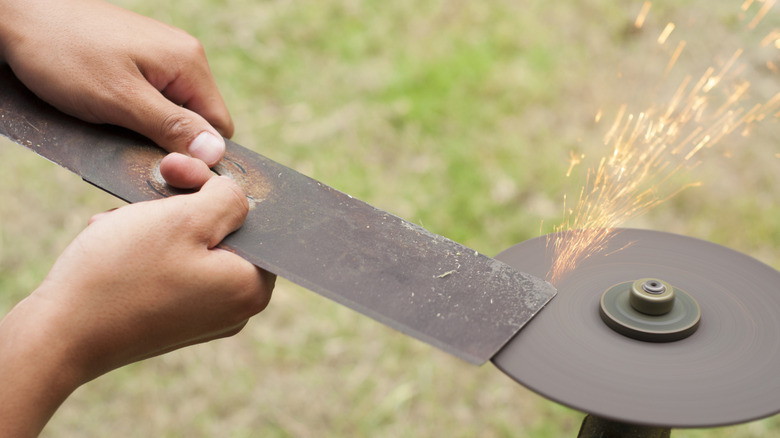
You can sharpen mower blades at home with a few simple tools. Common options include a metal file, a bench grinder, or a rotary tool with a grinding attachment. These tools let you reshape the blade edges carefully and save money on professional fees.
When using a file, hold the blade steady and stroke in one direction, matching the original bevel angle. A bench grinder speeds up the job but requires a steady hand to avoid overheating the metal, which can weaken the blade.
Have you ever tried sharpening your blades yourself? Many find it satisfying to restore sharpness with basic tools, and it gives you control over the process.
Professional Services
If you’re unsure about sharpening your mower blades or want a guaranteed result, professional services can help. Experts use specialized equipment to grind blades evenly and balance them perfectly, which extends blade life and improves cutting performance.
Professionals also inspect blades for cracks or damage that DIY tools might miss. This extra step ensures safety and prevents unexpected breakdowns during mowing.
Think about how much time and effort you save by handing over this task to someone with the right skills and tools.
Safety Tips During Sharpening
Safety is crucial when sharpening mower blades, whether you do it yourself or watch a professional at work. Always disconnect the mower’s spark plug or power source before starting to avoid accidental blade movement.
Wear sturdy gloves and eye protection to shield yourself from sharp edges and metal debris. Secure the blade firmly to prevent slips that could cause injury.
Have you noticed how small precautions can prevent big accidents? Taking these steps ensures your blade sharpening is both effective and safe.
Maintaining Blades Between Sharpening
Maintaining mower blades between sharpenings keeps them effective and safe. Clean, inspect, and store blades properly to extend their life. These simple steps prevent rust and damage, ensuring smooth lawn cutting.
Regular Cleaning
Remove grass clippings and dirt after each use. Use a brush or cloth to wipe blades clean. Avoid water pooling on the blades to stop rust formation. Dry blades thoroughly before storing.
Inspecting For Damage
Check blades for cracks, bends, or dull spots regularly. Sharp blades cut grass evenly and reduce mower strain. Replace blades if damage is severe or cannot be fixed by sharpening.
Proper Storage
Store blades in a dry, cool place to prevent rust. Keep blades away from moisture and direct sunlight. Use blade covers or wrap blades in cloth to protect edges during storage.
Credit: www.housedigest.com
Frequently Asked Questions
Why Should I Sharpen Mower Blades Regularly?
Sharpening mower blades ensures a clean cut, promoting healthier grass growth. It also improves mower efficiency and extends blade life.
How Often Do Mower Blades Need Sharpening?
Mower blades typically require sharpening after 20-25 hours of use. Frequent mowing or rough terrain may need more frequent sharpening.
What Happens If Mower Blades Are Dull?
Dull blades tear grass, causing brown tips and disease risk. They also strain the mower engine, reducing performance.
Can I Sharpen Mower Blades Myself?
Yes, with proper tools and safety precautions, you can sharpen mower blades at home. Regular maintenance saves time and money.
Conclusion
Sharpening mower blades keeps your lawn healthy and neat. Dull blades tear grass, causing damage and disease. Sharp blades cut cleanly, helping grass grow better. You save time and effort by mowing efficiently. Regular blade care extends your mower’s life.
Take care of your blades to enjoy a beautiful yard. Simple steps make a big difference in lawn care. Don’t let dull blades harm your grass or your mower. Keep blades sharp for the best mowing results every time.





