Are you ready to keep your lawn mower in top shape for the next season? Knowing how to summerize your lawn mower is key to making it last longer and work better.
If you want to avoid costly repairs and enjoy a smooth mowing experience, this guide is exactly what you need. By following simple steps, you’ll protect your mower from damage and save time when it’s time to use it again.
Keep reading to discover easy tips that will make your lawn mower ready to tackle any yard work with confidence.
Preparing Your Mower For Storage
Preparing your mower for storage protects it from damage and keeps it ready for next season. Taking time to prepare extends the mower’s life and ensures smooth starts. Focus on cleaning, fuel and oil care, and battery maintenance before storing.
Cleaning The Mower
Remove grass clippings and dirt from the mower deck. Use a brush or cloth to clean the blades and underside. Clean air filters to prevent clogging. Wash the exterior with mild soap and water. Dry the mower thoroughly to stop rust.
Draining Fuel And Oil
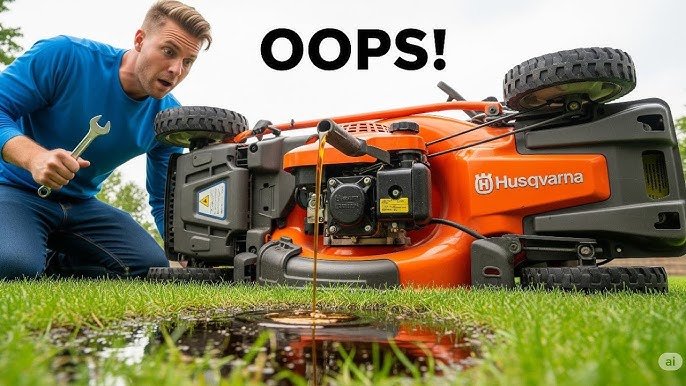
Old fuel can gum up the engine and cause problems. Drain the fuel tank completely or add fuel stabilizer to fresh fuel. Run the engine for a few minutes to circulate the stabilizer. Change the oil to remove dirt and moisture. Fresh oil protects engine parts during storage.
Removing Or Stabilizing The Battery
Remove the battery to stop it from draining. Clean the battery terminals with a wire brush. Store the battery in a cool, dry place. If you keep the battery in the mower, use a battery maintainer to keep it charged. This prevents damage and extends battery life.
Essential Maintenance Tasks
Essential maintenance tasks keep your lawn mower running smoothly. These tasks prevent damage and improve performance. Regular care saves money on repairs and extends the mower’s life.
Focusing on key parts ensures your mower stays efficient. Simple checks and fixes make a big difference. Let’s explore three crucial maintenance jobs to do before summer.
Sharpening Or Replacing Blades
Dull blades tear grass instead of cutting it cleanly. This harms your lawn and strains the mower engine. Remove the blades carefully and inspect their edges.
- Sharpen blades with a file or grinding tool.
- Replace blades if they are bent or cracked.
- Balance blades to avoid vibration during mowing.
Sharp blades cut grass evenly, giving a neat finish. Regular blade care improves fuel efficiency too.
Checking And Replacing Spark Plugs
Spark plugs ignite fuel in the engine cylinder. Faulty plugs cause hard starting or engine stalling. Remove the spark plug and check for carbon build-up or damage.
- Clean the plug with a wire brush if dirty.
- Replace the plug if the electrode is worn out.
- Set the correct gap between electrodes as per manual.
Healthy spark plugs improve engine power and reduce emissions.
Inspecting Air Filters
Air filters prevent dirt and debris from entering the engine. A clogged filter reduces airflow and engine efficiency. Remove the air filter cover and take out the filter.
- Tap the filter gently to remove loose dirt.
- Wash foam filters in warm soapy water and dry completely.
- Replace paper filters if they are torn or very dirty.
Clean air filters ensure better fuel burning and longer engine life.
Protecting Your Mower During Off-season
Protecting your lawn mower during the off-season keeps it ready for the next use. Proper care prevents damage and extends the mower’s life. Taking simple steps can save money and time in the future.
Choosing The Right Storage Location
Pick a dry, sheltered spot for storing the mower. Avoid places with high humidity to reduce rust risks. A garage or shed works best to keep the mower safe from rain and snow. Ensure the area is well-ventilated to prevent moisture buildup.
Covering And Securing The Mower
Use a breathable cover to protect the mower from dust and dirt. Avoid plastic covers that trap moisture and cause rust. Secure the mower to prevent it from tipping or moving during storms. Remove the battery if possible and store it separately to avoid power drain.
Preventing Rust And Corrosion
Clean the mower thoroughly before storage. Remove grass clippings and dirt from blades and deck. Apply a light coat of oil to metal parts to stop rust. Check for any signs of damage and fix them early. Drain the fuel or add a fuel stabilizer to keep the engine healthy.

Credit: www.youtube.com
Starting Your Mower After Storage
Before starting your mower after storage, check the fuel and oil levels carefully. Clean the air filter and spark plug for smooth operation. Ensure the blades are sharp and free of debris to keep your lawn healthy.
Starting your mower after months of storage can feel daunting, but it’s an essential step to ensure your lawn care routine kicks off smoothly. You don’t want to be left with a mower that sputters to life or, worse, refuses to start altogether. By following a few straightforward steps, you can get your mower running effortlessly and avoid any last-minute frustrations.Refilling Fluids
Begin by checking and refilling the fluids. This includes oil and fuel, which are crucial for your mower’s performance. Old fuel can cause starting issues, so always use fresh gasoline. Oil, on the other hand, may have degraded over time. Changing the oil can prevent engine damage and prolong the life of your mower. Don’t forget to replace the oil filter if necessary.Reinstalling Battery
Next, focus on the battery. If you removed it for storage, now is the time to reinstall. Ensure the battery is fully charged and the terminals are clean and corrosion-free. A little baking soda and water mixture can work wonders on corrosion. Secure the connections tightly to avoid any electrical mishaps.Performing A Safety Check
Safety should be your top priority. Before firing up the mower, perform a thorough safety check. Inspect the blades for any damage or dullness and sharpen them if needed. Look for any loose bolts or parts that might have become unstable during storage. Make sure all safety features, like the engine shut-off mechanism, are operational. Taking these steps ensures that your mower is ready to tackle your lawn without a hitch. Have you ever found yourself in a rush to mow, only to discover your mower won’t start? By preparing in advance, you can avoid this scenario and enjoy a seamless start to your mowing season.Tips For Year-round Mower Care
Proper care keeps your lawn mower ready all year. Regular attention prevents damage and extends its life. Simple habits make a big difference. Follow these tips to maintain your mower in good shape through all seasons.
Regular Cleaning Schedule
Clean your mower after every use. Remove grass clippings and dirt from blades and deck. Use a brush or cloth for thorough cleaning. Avoid water on the engine to prevent damage. A clean mower runs smoothly and lasts longer.
Routine Inspections
Check your mower often for loose parts or wear. Look at the blades, belts, and tires carefully. Tighten screws and bolts as needed. Replace worn or damaged parts quickly. Regular checks stop small problems from growing.
Proper Fuel Management
Use fresh fuel to keep the engine healthy. Avoid storing fuel in the mower during winter. Empty the tank or add a fuel stabilizer before storing. Old fuel can clog the carburetor and cause issues. Proper fuel care keeps your mower starting easily.

Credit: www.youtube.com

Credit: m.youtube.com
Frequently Asked Questions
What Does It Mean To Summerize A Lawn Mower?
To summerize a lawn mower means preparing it for storage during summer. This involves cleaning, checking oil, and storing in a dry place. Proper summerizing ensures the mower stays in good condition and runs smoothly when needed again.
How Often Should You Summerize Your Lawn Mower?
You should summerize your lawn mower at the start of the off-season, typically in late spring or early summer. Doing this annually helps maintain performance and extends the mower’s lifespan by preventing rust and mechanical issues.
What Are The Key Steps To Summerize A Lawn Mower?
Key steps include draining or stabilizing fuel, changing oil, cleaning the mower, sharpening blades, and storing it in a dry, sheltered area. These actions protect the engine and parts, ensuring the mower works well for the next season.
Can I Use Fuel Stabilizer When Summerizing My Mower?
Yes, using fuel stabilizer prevents gasoline from breaking down and clogging the carburetor. Add stabilizer to a full tank and run the mower briefly to circulate. This keeps the fuel system clean during storage.
Conclusion
Summarizing a lawn mower helps keep it in good shape. Clean the mower, check the oil, and sharpen the blades. Store it in a dry place to avoid rust. These small steps save money and make mowing easier. Regular care means your mower works well longer.
Take a few minutes after each use. Simple actions make a big difference. Your lawn will look better, and the mower stays reliable. Easy maintenance keeps your yard neat and tidy all summer.





