Have you ever been ready to mow your lawn, only to find your mower won’t start? It’s frustrating, especially when you’re on a tight schedule.
But what if you could get your mower running quickly using your car? Yes, jump-starting your mower with your car is easier than you think. You’ll learn simple, step-by-step tips to bring your mower back to life. Keep reading, and you’ll be back to cutting grass in no time!
Safety Precautions
Jump-starting a mower with a car can save time but requires careful attention. Safety precautions protect you and prevent damage. Follow these simple steps before starting.
Wear Protective Gear
Always wear gloves to protect your hands from sparks and dirt. Use safety glasses to shield your eyes from debris. Closed-toe shoes keep your feet safe from heavy parts or tools.
Check For Damage
Inspect the mower and car batteries for cracks or leaks. Do not use damaged cables or clamps. Ensure cables are clean and free from corrosion. Check that all connections are secure before jumping.
Keep Flames Away
Keep open flames and sparks far from the batteries. Gasoline vapors from the mower are flammable. Avoid smoking near the battery area. Work in a well-ventilated space to reduce risk.
Tools Needed
Jump-starting a mower with a car requires specific tools to do the job safely and effectively. Having the right equipment makes the process quick and prevents damage to your mower or car.
Gathering all tools before starting saves time and reduces risk. Here are the essential items you need.
Jumper Cables
Jumper cables connect the mower battery to the car battery. Choose cables with thick insulation and sturdy clamps. Long cables give flexibility to position the car and mower comfortably. Check cables for any damage or rust before use.
Car And Mower Batteries
Both batteries must be accessible and in good condition. The car battery should have enough charge to start the mower. The mower battery terminals must be clean and free from corrosion. Dirty terminals can block the current flow and stop the jump-start from working.
Gloves And Eye Protection
Wear gloves to protect your hands from sparks and dirt. Eye protection guards against unexpected splashes or debris. Safety gear reduces the risk of injury during the jump-start process. Always prioritize safety to avoid accidents.
Prepare The Vehicles
Preparing the vehicles is a crucial step before jump-starting your mower with a car. This ensures safety and a smooth connection between the batteries. Taking time to set up both vehicles correctly can prevent damage and make the process faster.
Position Car And Mower
Park the car close to the mower, but do not let them touch. Keep the vehicles on a flat surface for stability. Align the batteries so the cables can easily reach both terminals.
Turn Off Engines
Switch off both engines before connecting any cables. This avoids electrical surges and reduces the risk of injury. Remove the keys from the ignition to prevent accidental starting.
Access Batteries
Open the hoods or battery covers of both the car and mower. Locate the positive (+) and negative (-) terminals clearly. Clean off any dirt or corrosion to ensure a good connection.

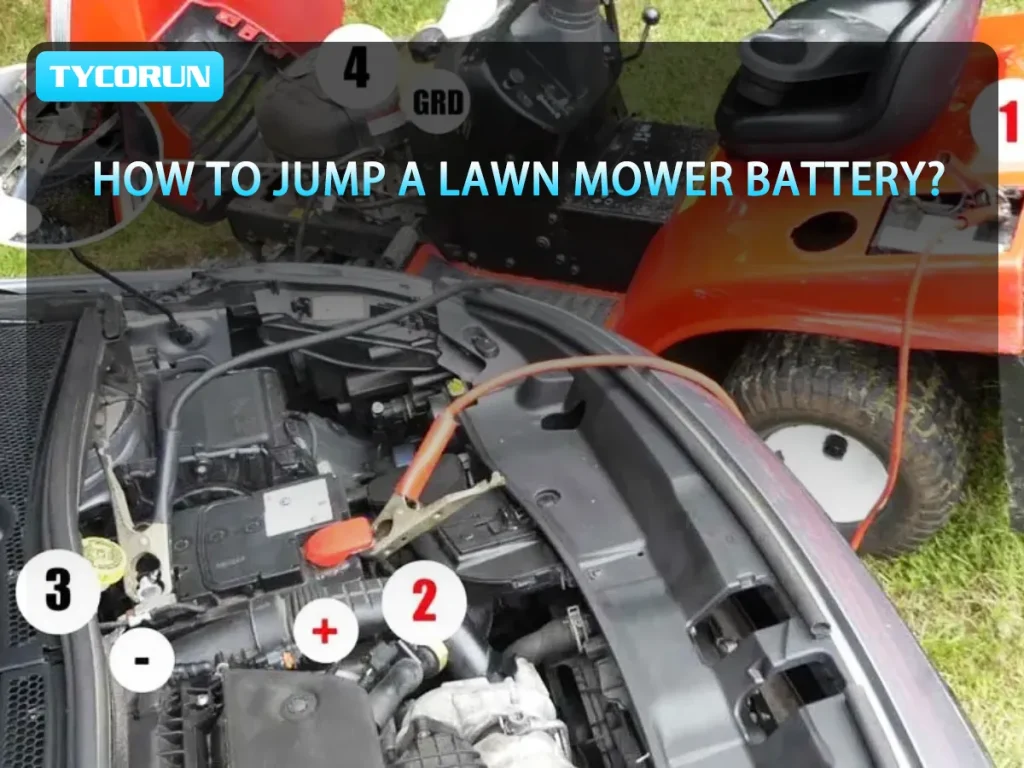
Credit: www.tycorunenergy.com
Connecting Jumper Cables
Connecting jumper cables correctly is key to safely jump starting a mower with a car. Proper connections prevent sparks and protect both batteries. Follow each step carefully to ensure a smooth start.
Attach Red Cable To Car Battery
Locate the positive terminal on the car battery. It usually has a “+” sign or red cover. Clamp one end of the red jumper cable firmly to this terminal. Make sure the connection is tight and secure.
Attach Red Cable To Mower Battery
Find the mower’s battery positive terminal. It also shows a “+” sign or red color. Attach the other end of the red cable to this terminal. Check that the cable does not touch any metal parts of the mower.
Attach Black Cable To Car Battery
Next, connect one end of the black jumper cable to the negative terminal of the car battery. This terminal often has a “−” sign or black cover. Hold the clamp firmly in place for a solid connection.
Attach Black Cable To Ground On Mower
Do not connect the black cable to the mower’s negative battery terminal. Instead, find a metal part on the mower’s frame away from the battery. Clamp the black cable here. This prevents sparks near the battery and improves safety.
Starting The Mower
Jump-starting a mower with a car is simple. Connect jumper cables to both batteries, ensuring red goes to positive and black to negative. Start the car, then the mower. Afterward, disconnect cables in reverse order. Ensure safety by keeping cables away from moving parts.
Starting the Mower You’ve connected your mower to your car, and now it’s time to breathe life into that stubborn machine. Jump-starting a mower using a car is an ingenious solution when your lawn looks like a jungle and the mower refuses to cooperate. But before you hear the satisfying roar of the mower’s engine, there are a few precise steps you need to follow.Start The Car Engine
First, ignite your car’s engine. Allow it to run for a few minutes. This gives the car’s alternator a chance to charge the mower’s battery through the jumper cables. Ensure the car is in park with the parking brake set. Safety first, always!Attempt To Start Mower
Now it’s time to attempt starting the mower. Sit on the mower seat, and turn the key in the ignition. If it starts, you’ve done it! If not, don’t panic. There are still options.Wait And Retry If Needed
If the mower doesn’t start immediately, patience is key. Leave the car engine running for another five minutes. This waiting period can allow the mower’s battery to absorb enough charge to start. After a brief wait, try starting the mower again. Have you ever wondered how many times we overlook such simple solutions in life? Sometimes all it takes is a little patience and persistence.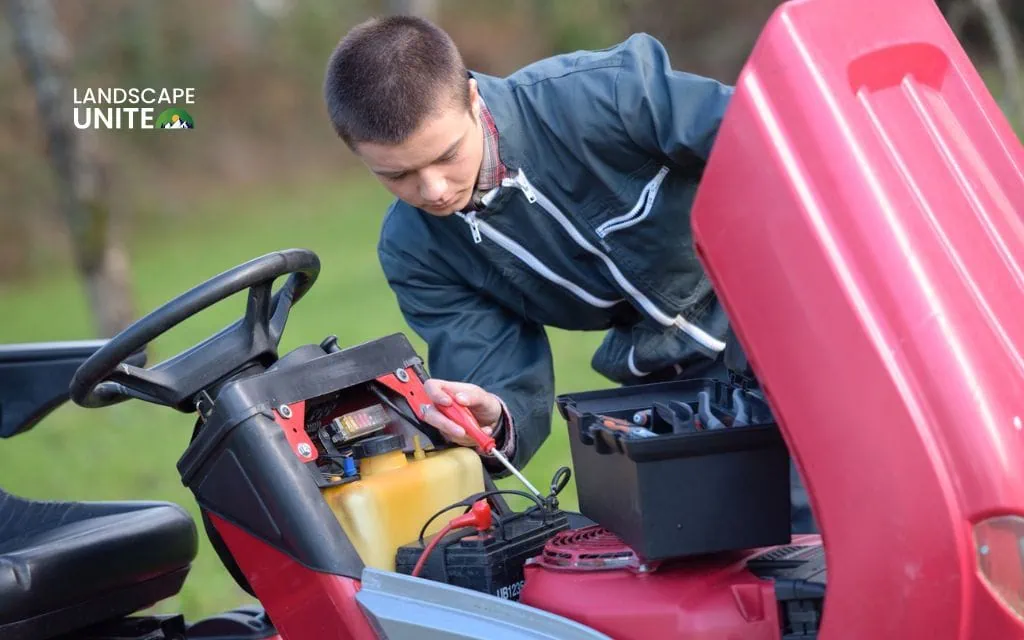
Credit: landscapeunite.com
Disconnecting Jumper Cables
Disconnecting jumper cables after jump-starting your mower is a critical step that ensures safety and prevents damage to both vehicles. Handling the cables in the right order reduces the risk of sparks and electrical shorts. Let’s break down the process to make it simple and safe for you.
Remove Black Cable From Mower
Start by removing the black (negative) cable from the mower’s battery terminal. This cable is usually connected to the mower’s ground, so detaching it first helps prevent accidental sparks. Handle the clamp carefully to avoid touching any metal parts with it.
Remove Black Cable From Car
Next, detach the black cable from the car’s battery terminal. Since the car’s battery is the power source, removing this cable second minimizes the chance of short circuits. Keep the cable ends away from each other and any metal surfaces.
Remove Red Cable From Mower
Now, remove the red (positive) cable from the mower’s battery terminal. This cable carries the main electrical current, so taking it off after the negatives are removed is safer. Grip the clamp firmly and pull it straight off to avoid damaging the battery post.
Remove Red Cable From Car
Finally, disconnect the red cable from the car’s battery terminal. This completes the cable removal process and ensures both vehicles are safely separated. Double-check that none of the cable clamps touch each other or any metal parts while you finish.
After Jump Starting
After successfully jump starting your mower with your car, there are important steps to take to ensure your mower keeps running smoothly. Simply getting it started isn’t enough; you need to give your mower’s battery some care to avoid future issues. How you treat the battery right after jump starting can save you time and money down the road.
Run Mower For A While
Keep the mower running for at least 15 to 20 minutes after jump starting. This allows the battery to recharge from the mower’s charging system. If you turn it off too soon, the battery may not have enough power to start next time.
During this time, try to operate the mower as you normally would. This helps the battery regain charge more effectively than idling alone. Have you noticed your mower sputtering or struggling during this period? That’s a sign your battery might need more attention.
Check Battery Condition
Once the mower has run for a while, it’s crucial to check the battery’s condition. Look for any signs of corrosion on the terminals or cracks in the battery casing. These physical signs often indicate deeper problems.
You can also test the battery’s voltage with a multimeter. A fully charged 12-volt battery should read around 12.6 volts or more. If it’s significantly lower, your battery may not be holding a charge properly.
Charge Or Replace Battery If Needed
If the battery voltage is low or the mower struggles to start again, it’s time to charge it fully using a proper battery charger. Avoid relying solely on the mower’s charging system after jump starting—it may not be enough to restore full power.
Sometimes, charging isn’t enough. If your battery is old or damaged, replacement is the best option to prevent future breakdowns. Have you experienced a battery that seemed fine but failed suddenly? That’s often due to hidden internal damage that only a new battery can fix.
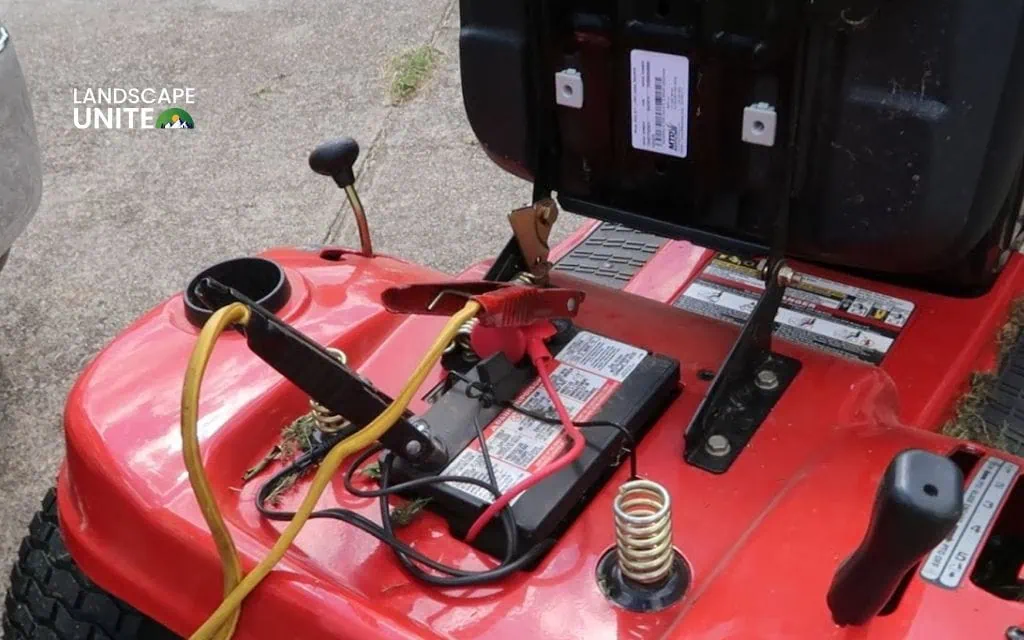
Credit: landscapeunite.com
Common Mistakes To Avoid
Jump starting your mower with a car can save time and frustration, but it’s easy to make costly mistakes. These errors can damage your equipment or even cause injuries. Knowing what to avoid ensures your jump start goes smoothly and safely every time.
Reversing Cable Connections
Connecting jumper cables the wrong way is a common and dangerous mistake. If you attach the positive cable to the negative terminal, you risk sparks, battery damage, or worse. Always double-check the terminals before connecting—your mower’s positive and negative signs are your best guides.
Have you ever felt uncertain about which terminal is which? Take a moment to identify them clearly before you start. This small pause can prevent expensive repairs and keep you safe.
Jump Starting With Damaged Batteries
Using a damaged or leaking battery for jump starting is risky. It can cause acid spills, fires, or explosions. Inspect both your mower’s and car’s batteries carefully before attempting a jump start.
If you notice cracks, corrosion, or swelling, avoid jump starting altogether. Instead, replace the battery or get professional help. Your safety should never be compromised by trying to save a quick buck.
Ignoring Safety Guidelines
Many people rush the jump start process and ignore basic safety rules. This carelessness can lead to electric shocks or burns. Always wear protective gloves and goggles, and make sure both vehicles are off before connecting cables.
Also, keep metal objects away from the battery terminals to avoid accidental short circuits. Are you prepared with safety gear before you start? Taking these precautions can make a big difference.
Frequently Asked Questions
How Do You Safely Jump Start A Mower With A Car?
First, connect the red clamp to the mower battery’s positive terminal. Attach the other red clamp to the car battery’s positive terminal. Connect the black clamp to the car battery’s negative terminal. Attach the last black clamp to an unpainted metal surface on the mower.
Start the car and then the mower.
What Tools Do I Need To Jump Start A Mower With A Car?
You need jumper cables and a car with a charged battery. Make sure the mower battery terminals are accessible. Safety gloves and eye protection are recommended. Avoid using damaged or frayed cables to prevent accidents or damage.
How Long Should I Run The Mower After Jump Starting?
Run the mower for about 20 to 30 minutes. This allows the battery to recharge sufficiently. Avoid turning off the mower immediately to prevent a second jump start. Regular use helps maintain battery health.
Can I Jump Start Any Mower With A Car?
Most gas-powered mowers with 12-volt batteries can be jump started with a car. Check the mower’s battery voltage before attempting. Electric mowers or those with different battery types may require special care or professional help.
Conclusion
Jump-starting a mower with a car can save you time and effort. Always connect the cables carefully to avoid damage. Start the car first, then the mower. Keep safety in mind throughout the process. With practice, this method becomes quick and easy.
Remember, regular mower maintenance helps prevent battery issues. Use this guide to get your mower running smoothly again. Stay safe and enjoy your yard work!





