
Getting your mower ready for storage might seem like a simple task, but doing it the right way can save you time, money, and frustration next season. If you want your mower to start smoothly and last longer, you need to prepare it carefully before putting it away.
In this guide, you’ll learn easy, step-by-step tips to protect your mower from damage and keep it in top shape. Keep reading to discover how a little effort now can make your next mowing season hassle-free and enjoyable.
Clean The Mower Thoroughly
Cleaning the mower thoroughly is essential before storing it. Dirt, grass, and moisture can cause damage over time. A clean mower lasts longer and works better next season. Follow these steps for a deep clean that protects your mower.
Remove Grass Clippings
Start by removing all grass clippings stuck under the mower deck and blades. Use a brush or a stick to scrape off dried grass. Avoid using metal tools that can damage the mower. Clearing clippings prevents rust and blockages.
Wash The Exterior
Wash the mower’s body with water and mild soap. Use a sponge or soft cloth to clean all surfaces. Avoid spraying water directly into the engine or electrical parts. Washing removes dirt, grease, and leftover grass debris.
Dry Completely
Dry the mower fully with a clean towel or cloth. Leave it in a dry, sunny place if possible. Moisture left on the mower can cause rust and mold. Make sure all parts, including under the deck, are dry before storage.
Empty The Fuel System
Emptying the fuel system is a crucial step before storing your mower. Fuel left inside can degrade, causing clogs and damage to the engine. Taking time to clear out old fuel helps keep your mower ready for the next season and extends its lifespan.
Drain The Gas Tank
Start by locating the gas tank and removing the fuel cap. Use a siphon pump or carefully pour the fuel into an approved container. Make sure to do this in a well-ventilated area and away from any ignition sources.
Draining the tank prevents stale fuel from sitting in the system. Stale fuel can gum up carburetors and fuel lines, leading to expensive repairs. Have you ever noticed your mower struggling to start after winter? This simple step often fixes that problem.
Run The Engine Until Empty
After draining the tank, start the mower and let it run until the engine stops. This process clears fuel from the carburetor and fuel lines. It’s a practical way to ensure no fuel residue remains that can cause blockages.
Running the engine dry might seem tedious, but it’s worth the effort. If fuel sits in the carburetor over winter, it can turn sticky and clog tiny passages. This step keeps your mower’s engine clean and ready to roar when spring arrives.
Add Fuel Stabilizer
If you prefer not to drain the gas tank completely, adding a fuel stabilizer is an alternative. Pour the recommended amount of stabilizer into a full tank and run the engine for a few minutes. This mixes the stabilizer throughout the fuel system.
Fuel stabilizers slow down fuel breakdown, helping prevent gum and varnish build-up. It’s a quick fix if you want to avoid the hassle of draining but still protect your mower. Have you tried using stabilizer before storing your mower? It can save you from frustrating startup issues later.
Change Oil And Filters
Changing the oil and filters in your mower before storage is one of the best ways to protect the engine and keep it running smoothly next season. Old oil can contain dirt and moisture that damage engine parts over time. Fresh oil and a clean filter ensure your mower is ready to perform when you need it again.
Drain Old Oil
Start by warming up the engine for a few minutes to help the oil flow out smoothly. Then, locate the oil drain plug under the mower deck and place a container beneath it. Carefully remove the plug and let all the old oil drain out completely.
Did you know that leaving old oil inside the engine can cause corrosion and sludge buildup? Draining the oil fully prevents these issues and keeps the engine components clean.
Replace Oil Filter
After draining the oil, remove the old oil filter. It’s usually located near the engine block and can be unscrewed by hand or with a filter wrench. Before installing the new filter, apply a thin layer of fresh oil to its rubber gasket to create a better seal.
Replacing the oil filter is essential because a clogged filter won’t properly clean the oil circulating through your engine. Think of it as changing the air filter in your home; a fresh filter helps everything run more efficiently.
Add Fresh Oil
Once the old oil is drained and the new filter is in place, add the recommended type and amount of fresh oil. Check your mower’s manual for the exact specifications. Pour the oil slowly to avoid spills and then use the dipstick to ensure the level is correct.
Have you ever wondered why using the right oil matters? Using the correct oil grade protects your engine’s internal parts from wear and keeps the mower running quietly. This small step can save you costly repairs down the road.

Credit: trimyxs.com
Check And Service The Battery
Check and Service the Battery Ensure the mower’s battery is clean and fully charged before storage. Remove it to prevent corrosion and keep it in a cool, dry place.
Preparing your mower for storage is crucial to ensure it starts up smoothly when you need it again. One essential part of this process is checking and servicing the battery. This task might sound complex, but it’s quite straightforward and can save you time and money in the long run. Let’s dive into how you can take care of your mower’s battery before tucking it away for the off-season.Disconnect The Battery
Before storing your mower, always disconnect the battery. This prevents any power drainage during the months it’s not in use. It’s as simple as using a wrench to loosen the bolt on the negative terminal first, then the positive. If you’ve ever returned to a dead battery after winter, you know how frustrating it can be. Avoid this hassle by ensuring the battery is disconnected properly.Clean Terminals
Once the battery is disconnected, take the opportunity to clean the terminals. A small brush and a mixture of baking soda and water can work wonders. Clean terminals ensure a good connection when it’s time to reconnect the battery. Don’t let corrosion hinder your mower’s performance next season. A little cleaning effort now can make a big difference later.Store Battery Properly
Proper storage of your battery can significantly prolong its life. Keep it in a cool, dry place where it’s protected from extreme temperatures. Consider using a battery maintainer to keep it charged over the winter months. This simple device can save you from the headache of a non-starting mower. Are you storing your battery in a safe environment? If not, it might be time to rethink your storage strategy.Inspect And Maintain Blades
Inspecting and maintaining your mower blades is key to keeping your equipment in top shape during storage. Dull or damaged blades can cause uneven cuts and strain the mower’s engine. Taking time to care for the blades now saves you from costly repairs and poor lawn health next season.
Sharpen Blades
Sharp blades make a big difference in cutting performance. Use a file, grinder, or sharpening tool to restore a clean, sharp edge. Make sure to maintain the original angle of the blade edge—usually around 30 degrees—for best results.
After sharpening, balance the blade by placing it on a nail or blade balancer. An unbalanced blade can cause vibrations that damage your mower. Have you noticed more shaking than usual while mowing? It’s a sign your blades might need sharpening or balancing.
Check For Damage
Look closely for cracks, bends, or excessive wear on your blades. Damaged blades can break during use, posing safety risks and damaging your mower. If you find significant damage, replace the blade instead of trying to fix it.
Don’t forget to inspect the blade bolts and mounting area too. Loose or rusty bolts can cause blade wobble or detachment. Tighten or replace hardware as needed to keep everything secure.
Apply Protective Coating
After cleaning and sharpening, apply a light coat of oil or blade protectant to prevent rust during storage. Use a cloth to evenly spread the oil over the entire blade surface. This simple step extends blade life and keeps them ready for the next mowing season.
Have you ever found rusty blades when taking your mower out of storage? A protective coating prevents that frustrating surprise. Store your mower in a dry place and cover it if possible to further protect the blades.
Protect Moving Parts
Protecting the moving parts of your mower is essential before you store it away. These components face wear and tear during use, and neglecting them can lead to rust, stiffness, or even breakage. Taking time to care for these parts ensures your mower stays in top shape and starts smoothly next season.
Lubricate Bearings And Joints
Bearings and joints need regular lubrication to prevent rust and reduce friction. Use a high-quality lubricant designed for outdoor equipment. Apply it to all pivot points, wheel bearings, and blade spindles.
Think about the last time your mower squeaked or felt stiff—chances are, it needed oil. Adding lubricant now saves you from unexpected repairs later.
Inspect Belts And Cables
Belts and cables can crack, fray, or loosen over time. Carefully check each belt for signs of wear and replace any that look damaged. Run your fingers along cables to feel for breaks or fraying.
Ignoring these parts can lead to poor mower performance or complete failure when you start using it again. Have you noticed any unusual noises or sluggish responses recently? That might be your mower’s way of signaling a belt or cable issue.
Adjust Tensions
Proper tension keeps belts and cables working smoothly. Too tight, and they risk snapping; too loose, and they slip or fail to engage. Use your mower’s manual to find the right tension settings.
Adjusting tension is a simple step that prevents unnecessary strain on parts. Have you checked if your mower’s belts feel just right or need a little tweaking?
Choose Proper Storage Location
Choosing the right place to store your mower is key to keeping it in good shape. A proper storage spot protects the mower from damage and wear. It also helps avoid costly repairs before the next use. Consider safety, space, and weather conditions when picking a location. A good storage area keeps the mower dry, clean, and ready to go.
Select Dry And Covered Area
Store the mower in a dry spot to stop rust and corrosion. A covered area shields it from rain and snow. A garage or shed works best. Avoid places with damp floors or leaks. Moisture can harm metal parts and the engine.
Avoid Exposure To Elements
Keep the mower away from direct sunlight and wind. Sunlight can fade paint and crack plastic parts. Wind can blow dirt and debris onto the mower. These elements shorten the mower’s lifespan. Choose a spot that blocks harsh weather.
Use Protective Covers
Cover the mower with a strong tarp or mower cover. A cover adds a layer of defense against dust and moisture. Use a breathable cover to prevent mold and mildew. Secure the cover tightly so it does not blow away.

Credit: nelsontractorco.com
Final Checks Before Storage
Before tucking your mower away for the season, the final checks are crucial to keep it in top shape. These last steps help prevent damage and save you time and money on repairs later. Don’t rush through them; a little effort now means a smoother start next spring.
Inspect Tires And Inflate
Check your mower’s tires for any signs of cracks, dry rot, or uneven wear. Tires often lose air over time, especially when stored for months. Inflate them to the recommended pressure to avoid flat spots and maintain proper balance.
I once skipped this step and found my mower sitting crooked on one side after winter. Inflating tires correctly not only prevents damage but also ensures your mower rolls smoothly when you use it again.
Secure Loose Parts
Walk around your mower and tighten any loose bolts, screws, or attachments. Loose parts can rattle and cause damage during storage or even get lost. Pay special attention to the blade, handle, and any removable components.
Think about how many times you’ve struggled to find that missing bolt or piece in spring. Securing everything now saves that frustration and keeps your mower ready to roll.
Record Maintenance For Next Season
Write down what maintenance you performed and any parts you replaced or need to check next year. Keeping a simple log helps you track your mower’s health and plan ahead. It can be as easy as a note in your phone or a small notebook in your garage.
Have you ever forgotten what you did last season and ended up repeating work? A quick record keeps you organized and your mower running like new for years.
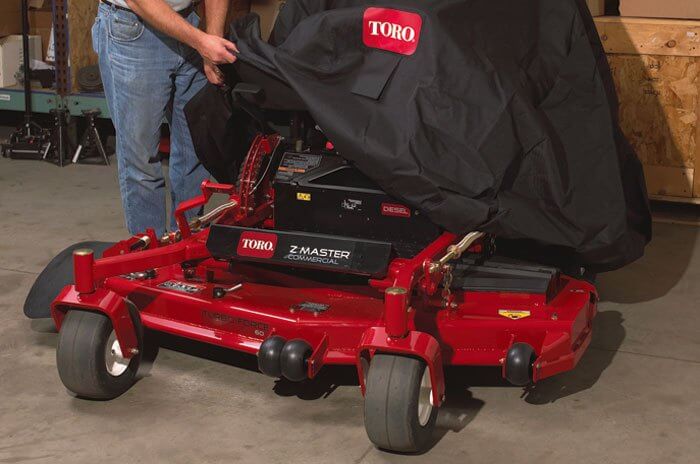
Credit: www.yardcare.com
Frequently Asked Questions
How Do I Clean A Mower Before Storage?
Clean the mower by removing grass, dirt, and debris. Use a brush or air compressor. This prevents rust and keeps parts functioning well.
Should I Drain Fuel Before Storing The Mower?
Yes, drain fuel to avoid gum buildup in the engine. Alternatively, add a fuel stabilizer to keep fuel fresh during storage.
How Do I Protect Mower Blades During Storage?
Sharpen and balance blades before storage. Apply a light oil coating to prevent rust. Store blades off the ground if possible.
What Maintenance Is Needed Before Long-term Mower Storage?
Change the oil, clean the air filter, and remove the spark plug. These steps ensure your mower starts easily after storage.
Conclusion
Preparing your mower for storage keeps it ready and safe. Clean the mower to stop rust and dirt build-up. Drain or treat the fuel to avoid damage. Check and change the oil to keep the engine fresh. Remove the battery or charge it fully to prevent power loss.
Store the mower in a dry, covered place to protect it from weather. These simple steps save money and time next season. A well-stored mower lasts longer and works better. Take care now, enjoy easy mowing later.





