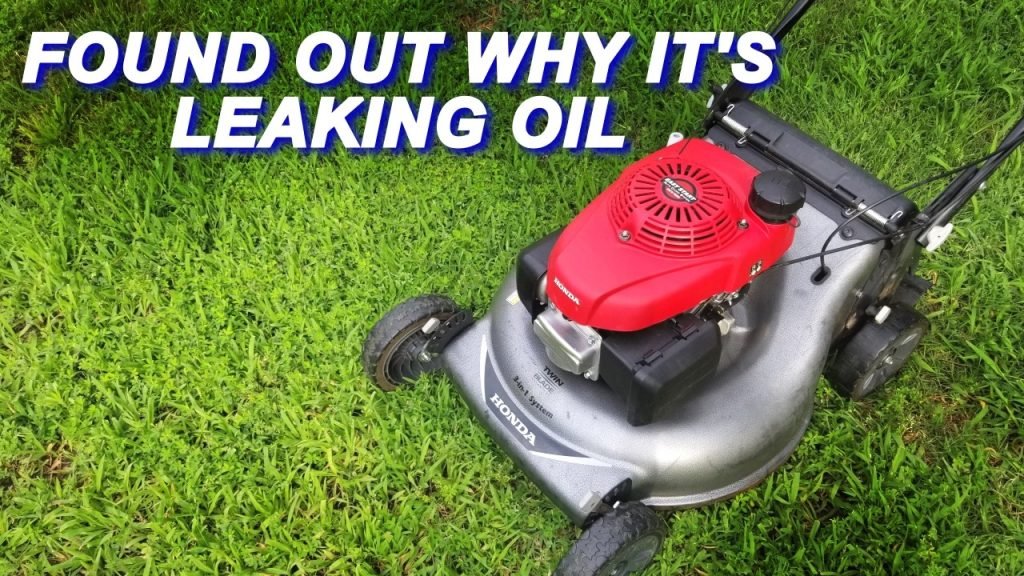
Is your mower leaving oil spots on your driveway? An engine oil leak can slow down your work and cause costly damage if left unchecked.
But don’t worry—you don’t have to be a mechanic to fix it. In this guide, you’ll learn simple, step-by-step ways to find and stop that oil leak fast. Keep reading, and you’ll get your mower running smoothly again in no time.

Credit: www.reddit.com
Common Causes Of Oil Leaks
Spotting an oil leak in your mower’s engine can be frustrating and worrying. Understanding the common causes of oil leaks helps you pinpoint the problem quickly and avoid costly repairs. Let’s break down the usual suspects that cause oil to escape from your mower’s engine.
Worn Gaskets And Seals
Gaskets and seals create tight barriers between engine parts to keep oil inside. Over time, they dry out, crack, or become brittle, allowing oil to seep through. If you notice oil pooling around the engine cover or under the mower, worn gaskets or seals might be the cause.
Have you checked the condition of your gaskets lately? Replacing them can be a simple fix that stops leaks and keeps your engine running smoothly.
Loose Or Damaged Drain Plug
The drain plug is where you drain old oil during maintenance. If it’s not tightened properly or the washer is damaged, oil will leak out. Sometimes, the threads get stripped, causing a poor seal and persistent drips.
Try tightening the drain plug gently first. If leaks persist, inspect the washer and threads. A new washer or plug might be all you need to solve the problem.
Cracked Engine Block
Though less common, a cracked engine block can cause serious oil leaks. Cracks may form due to impact, overheating, or metal fatigue. When this happens, oil can leak from unexpected places, making the problem harder to spot.
Feeling oil on parts of the engine where there shouldn’t be any? It’s time for a closer look or professional inspection to avoid bigger damage.
Faulty Oil Filter Installation
An oil filter that isn’t installed correctly can cause leaks immediately or after running the engine. Cross-threading, missing gaskets, or over-tightening can all create gaps for oil to escape. You might see oil dripping near the filter or notice a drop in oil pressure.
Did you check the filter installation the last time you changed your oil? Double-checking the fit and gasket condition can save you from unexpected leaks.
Tools And Materials Needed
Troubleshooting a mower engine oil leak requires the right tools and materials. Having these ready makes the repair easier and safer. Gather everything before you start to avoid interruptions.
Basic Hand Tools
- Socket wrench set for bolts and screws
- Screwdrivers (flathead and Phillips)
- Pliers for gripping and pulling parts
- Oil filter wrench for removing the filter
- Drain pan to catch leaking oil
- Rags or shop towels for wiping spills
Replacement Parts
- New oil filter compatible with your mower
- Fresh engine oil matching the mower’s specifications
- Replacement gaskets or seals to stop leaks
- O-rings if your model uses them
Cleaning Supplies
- Degreaser to clean oil residue
- Brushes or old toothbrushes for scrubbing
- Plastic scraper to remove stuck oil and dirt
- Disposable gloves to keep hands clean
Protective Gear
- Safety goggles to protect eyes from splashes
- Work gloves to prevent cuts and oil contact
- Old clothes or coveralls to avoid stains
- Face mask if using strong cleaning chemicals
Step-by-step Leak Inspection
Finding the exact spot where engine oil leaks from a mower requires a careful and thorough inspection. This process helps prevent further damage and keeps the mower running smoothly. A detailed check of different parts ensures a clear understanding of the problem. Follow these steps to perform a proper leak inspection.
Locate The Source Of The Leak
Start by cleaning the mower engine with a rag. Look closely for fresh oil spots or wet areas. Check under the mower and around the engine block. Use a flashlight for better visibility in dark spots. Pinpoint where oil is dripping or pooling. This is the area to focus on next.
Check Oil Level And Condition
Remove the oil dipstick and wipe it clean. Reinsert it fully, then pull it out again to read the level. Note if the oil is low or high. Check the oil color and texture; dark or gritty oil needs changing. Ensure the oil level matches the mower’s recommended range. Incorrect oil levels can cause leaks or engine damage.
Inspect Gaskets And Seals
Look at all visible gaskets and seals around the engine. Gaskets are thin, flat seals between engine parts. Seals are often round and fit around shafts. Check for cracks, hardening, or breaks. Damaged gaskets or seals often cause oil to leak. Replace any that appear worn or broken.
Examine Drain Plug And Filter
Check the oil drain plug at the engine’s base. Tighten it if loose but avoid over-tightening. Look for oil stains around the plug. Inspect the oil filter for damage or looseness. A loose filter can drip oil during operation. Replace the filter if it is old or damaged to stop leaks.

Credit: www.reddit.com
Quick Fixes For Minor Leaks
Minor oil leaks often come from loose bolts or worn gaskets. Tightening parts and replacing seals can stop leaks quickly. Checking the oil level regularly helps catch issues early.
Quick fixes can save you time and effort when dealing with minor mower engine oil leaks. Tackling these small issues promptly can prevent more significant problems down the road. Here’s how you can nip those pesky leaks in the bud.Tightening Loose Components
Sometimes, the simplest solution is the most effective. Check for loose bolts and nuts around the engine. A quick twist with a wrench might be all that’s needed to stop the leak. Does your engine still leak after tightening? You might need to dig a little deeper, but don’t worry—you’re on the right track.Replacing Faulty Gaskets
Gaskets play a crucial role in sealing connections. If they’re worn out, oil can escape easily. Remove the faulty gasket carefully and replace it with a new one. Ensure the new gasket fits snugly to prevent future leaks. Isn’t it satisfying to see such a quick change make a big difference?Applying Sealants
Sealants can be a lifesaver for small cracks or gaps. Clean the area thoroughly before applying the sealant for maximum effectiveness. Allow it to dry completely to create a strong seal. Who knew a small tube of sealant could be so handy?Changing Oil And Filter
Old oil and dirty filters can contribute to leaks. Drain the old oil completely and replace it with fresh oil. Don’t forget to swap out the oil filter as well. Have you noticed how your mower runs smoother after a fresh change? Taking action on these minor fixes can extend the life of your mower significantly. What small leak will you tackle first?Preventing Future Oil Leaks
Preventing future oil leaks in your mower engine is all about consistency and care. Catching small issues before they turn into big problems saves you time and money. Let’s look at the practical steps you can take to keep your mower running smoothly without messy oil leaks.
Regular Maintenance Schedule
Set a maintenance routine that fits your mowing habits. Check your mower’s oil level and condition at least once a month during the season.
Don’t wait for leaks to appear—inspect seals, gaskets, and hoses regularly. Simple checks can reveal wear early and stop leaks before they start.
Have you noticed your mower running rough or smelling burnt? These could be early signs of oil issues. Spotting them early is key.
Proper Oil Change Techniques
Changing oil the right way prevents leaks and engine damage. Always warm up the engine slightly before draining the oil; warm oil flows out faster and carries more contaminants.
Use the correct amount and type of oil specified by your mower’s manual. Overfilling or using the wrong oil can cause pressure build-up and leaks.
Don’t forget to tighten the drain plug securely, but avoid overtightening which can strip threads and cause leaks. Clean the area around the plug before and after the change to spot any drips quickly.
Using Quality Replacement Parts
Cheap gaskets and seals might save money upfront but often lead to leaks later. Invest in OEM or high-quality replacement parts for your mower.
When you replace worn components, make sure they fit perfectly. A loose or mismatched seal can be the source of oil seepage you can’t ignore.
Think about how often you service your mower—are you using parts that last through the season or just short-term fixes? Your mower deserves the best to avoid repeated oil leaks.
Safe Storage Practices
Storing your mower properly can prevent oil leaks during the off-season. Keep it on a flat surface to avoid oil pooling on one side.
Drain the oil if you plan not to use the mower for several months. Old oil can thicken and damage seals, leading to leaks when you start up again.
Cover your mower to protect it from dust and moisture, which can degrade seals and cause unexpected leaks. Have you checked your storage spot for proper ventilation?

Credit: www.youtube.com
When To Seek Professional Help
Knowing when to seek professional help is key to fixing mower engine oil leaks safely. Some issues need expert tools and skills beyond simple checks. Ignoring serious problems can cause more damage and higher costs. Recognizing signs that require a mechanic can save time and protect your mower.
Persistent Or Large Leaks
Small oil spots may be okay to watch for a while. Large leaks or those that do not stop after cleaning need attention fast. Oil dripping heavily means seals or gaskets might be broken. Professionals can find the exact source and fix it properly.
Engine Performance Issues
Oil leaks often affect how the engine runs. If the mower sputters, stalls, or loses power, oil loss could be the cause. Engine noises or smoke may also appear. These symptoms signal internal damage or lubrication problems. Expert diagnosis is needed to avoid engine failure.
Complex Repairs Beyond Diy
Some repairs require removing engine parts or replacing seals deep inside. Special tools and knowledge make these jobs tricky. Mistakes can cause leaks to worsen or damage other parts. Professionals have experience and equipment to handle complex fixes safely.
Warranty And Service Options
Many mowers come with a warranty covering engine repairs. Attempting DIY repairs might void this coverage. Checking warranty terms before fixing oil leaks is wise. Authorized service centers offer reliable repairs and keep warranties valid.
Frequently Asked Questions
What Causes Mower Engine Oil Leaks?
Oil leaks in mower engines are often caused by worn gaskets, loose bolts, or damaged seals. Regular maintenance and inspections help identify these issues early to prevent leaks.
How To Identify The Source Of An Oil Leak?
Clean the engine and run the mower briefly. Check for fresh oil spots to pinpoint leaks. Inspect common leak points like gaskets and seals carefully.
Can Old Or Dirty Oil Cause Leaks?
Old or dirty oil can degrade seals and gaskets, increasing leak risk. Regular oil changes keep engine parts lubricated and prevent leaks.
How To Fix A Mower Oil Leak At Home?
Tighten loose bolts, replace worn gaskets, and clean the engine area. Use proper tools and follow the mower manual for safe repairs.
Conclusion
Fixing a mower engine oil leak takes patience and care. Check seals and bolts often. Clean the area to spot leaks fast. Replace worn parts to stop oil loss. Regular oil checks help keep your mower healthy. Small leaks can lead to big problems later.
Keep your mower ready for every job. Simple steps save time and money. Stay safe by working with the engine cool. A little effort goes a long way in mower upkeep.





