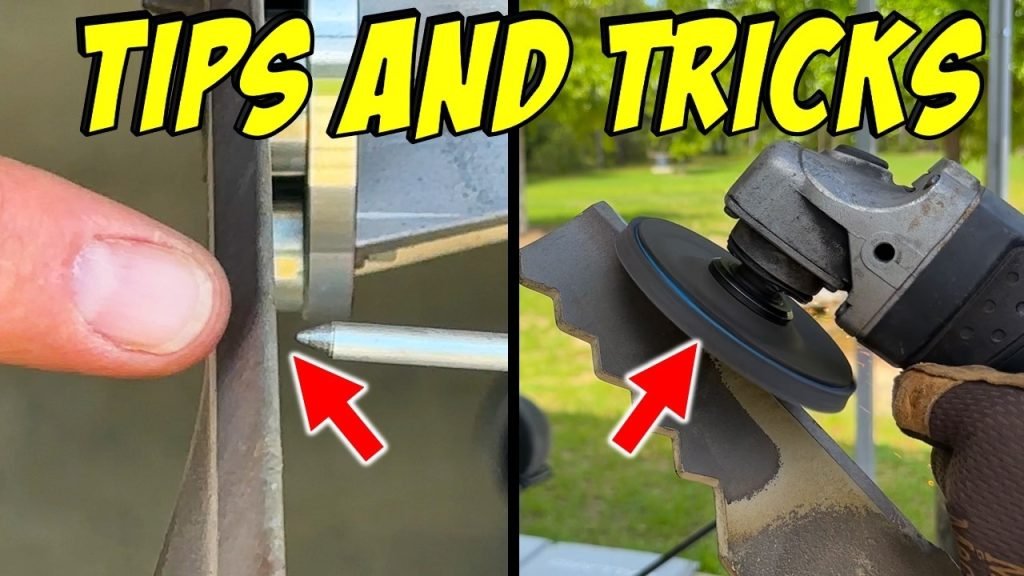
Are you tired of your lawn mower struggling to cut grass evenly? The secret to a cleaner, sharper cut lies in the angle you set when sharpening your mower blade.
Getting this angle just right can make your mower work better, last longer, and save you time. You’ll discover simple steps to find and set the perfect sharpening angle for your mower blade. Keep reading to make your lawn care easier and more effective!

Credit: www.youtube.com
Choosing The Right Angle
Choosing the right angle for mower blade sharpening is key to a clean cut. The angle affects how sharp the blade will be and how well it cuts grass. Picking the correct angle helps the blade last longer and work better. Each mower blade may need a different sharpening angle depending on its design and use. Understanding these angles makes the sharpening process easier and more effective.
Common Mower Blade Angles
Mower blades usually sharpen at angles between 30 and 45 degrees. Most blades work well at about 35 degrees. Some lawn mowers need a sharper edge at 40 degrees for better cutting. A lower angle, like 30 degrees, gives a sharper but less durable edge. A higher angle, like 45 degrees, makes the edge stronger but less sharp. Check your mower’s manual to know the best angle for your blade.
Factors Influencing Angle Selection
- Blade Type: Different blades need different angles to cut well.
- Grass Type: Thick grass may require a stronger edge with a higher angle.
- Cutting Frequency: More frequent sharpening allows a sharper angle.
- Blade Condition: Worn blades may need a different angle to restore sharpness.
- Mower Power: Stronger mowers can handle sharper angles better.
Tools Needed For Sharpening
Sharpening your mower blade effectively requires the right set of tools. Having these tools at hand not only makes the job easier but also ensures a precise angle for a clean cut. Without proper equipment, you risk damaging the blade or ending up with an uneven sharpen.
Essential Sharpening Tools
Start with a quality file or a bench grinder designed for metalwork. A file is great for manual control and small touch-ups, while a bench grinder speeds up the process for dull blades.
You’ll also need a blade balancer. Sharpening can throw the blade off balance, which causes vibration and uneven cutting. A balancer helps you check and correct this before reattaching the blade to your mower.
Don’t forget a wrench or socket set to remove and reinstall the blade securely. Ensuring the blade is tightly fastened prevents accidents and maintains the correct cutting height.
- Metal file or bench grinder
- Blade balancer
- Wrench or socket set
- Angle gauge or protractor (to check sharpening angle)
Safety Equipment
Safety should be your top priority. Always wear protective gloves to avoid cuts from sharp edges.
Eye protection is a must when using grinders or files. Small metal particles can fly off and cause serious injury.
Consider wearing a dust mask if you are grinding, as fine metal dust can irritate your lungs. Don’t overlook these simple steps—they protect you and keep the sharpening process hassle-free.
- Protective gloves
- Safety goggles
- Dust mask
Preparing The Blade
Set the mower blade on a flat surface to check the existing angle. Use a protractor or angle gauge to measure and mark the sharpening angle clearly. Ensure the blade is clean and free of debris before starting the sharpening process.
Preparing the blade is a crucial step in sharpening your mower blade. A sharp blade ensures a clean cut, improving your lawn’s health. Before sharpening, the blade requires proper preparation. This involves removing, cleaning, and inspecting it. Follow these steps carefully to ensure safety and effectiveness.Removing The Blade
Begin by disconnecting the spark plug. This prevents accidental starts. Use a sturdy wrench to unscrew the blade bolt. Keep a firm grip to avoid drops. Mark the blade’s top side with chalk for easy reinstallation. Secure the mower to prevent movement during removal.Cleaning And Inspection
Once removed, clean the blade thoroughly. Use a wire brush to scrub off grass and debris. Inspect the blade for any signs of damage. Look for bends, cracks, or excessive wear. If the blade shows significant damage, consider replacing it. A well-maintained blade improves mowing efficiency.
Credit: www.mowmore.com
Setting The Sharpening Angle
Setting the sharpening angle for a mower blade is key to effective cutting. The correct angle keeps the blade sharp longer and cuts grass cleanly. A wrong angle can dull the blade faster or damage it. This section shows easy ways to find and set the right angle.
Using Angle Guides
Angle guides are simple tools that help set the blade’s sharpening angle. They come in plastic or metal and fit on the blade edge. These guides hold the blade at the right angle during sharpening. Using them makes the process faster and more accurate.
Most mower blades sharpen best at an angle between 30 and 45 degrees. Angle guides often have markings for these common angles. Place the guide on the blade edge and match it to the sharpening tool. This keeps the file or grinder steady and consistent.
Measuring The Angle Manually
Measuring the angle without a guide is possible with a protractor or angle finder. First, clean the blade to see the edge clearly. Then, place the blade flat on a surface. Hold the protractor against the blade edge and read the angle.
Adjust your sharpening tool to match this angle. Keep the file or grinder steady and follow the blade’s original angle. This method takes more practice but works well if no guides are available.
Sharpening Techniques
Sharpening mower blades keeps the cutting edge strong and effective. The correct angle ensures a clean cut and prolongs blade life. Different tools offer different sharpening experiences. Choosing the right technique depends on your tools and comfort level.
Using A File
A file is a simple and affordable tool for sharpening blades. It works best for small touch-ups and minor nicks. Hold the blade steady and match the original cutting angle. Use smooth, even strokes away from the blade’s edge.
- Secure the blade tightly to avoid movement.
- Push the file along the edge in one direction.
- Keep the file angle consistent with the blade’s bevel.
- Sharpen both sides equally to maintain balance.
Check the blade edge by touch or visually. Repeat until the edge feels sharp and smooth.
Using A Grinding Wheel
A grinding wheel sharpens blades faster and is great for dull or damaged edges. It removes metal quickly but requires care to avoid overheating. Overheating can weaken the blade steel.
- Wear safety goggles and gloves before starting.
- Hold the blade at the correct angle to the wheel.
- Move the blade smoothly against the spinning wheel.
- Do not stay in one spot too long to prevent heat buildup.
- Cool the blade often by dipping it in water.
After grinding, inspect the edge for sharpness and smoothness. Lightly file or sand if needed to remove rough spots.
Balancing The Blade
Balancing the mower blade is crucial for smooth and safe operation. An unbalanced blade causes vibration and uneven cutting. It also stresses the mower’s engine and parts, reducing their lifespan.
Balancing ensures the blade spins evenly. This prevents damage and improves the cutting quality. It also makes sharpening more effective and the mower easier to control.
Checking Blade Balance
Start by cleaning the blade thoroughly. Remove dirt and grass clippings. This ensures an accurate balance check.
Use a blade balancer or a nail in a wall. Hang the blade horizontally on the nail. The blade should stay level.
If one side drops lower, that side is heavier. Mark the heavy side for adjustment.
Adjusting Imbalance
Remove the blade from the balancer or nail.
Use a file or grinder to remove a small amount of metal. Focus on the heavy side’s edge.
File evenly and check balance frequently. Avoid removing too much metal.
Repeat until the blade stays level on the balancer. This means the blade is balanced and ready to sharpen.
Reinstalling And Testing
After sharpening your mower blade at the correct angle, the next crucial phase is reinstalling and testing. This step ensures your efforts translate into a clean, efficient cut. A blade that’s not secured properly or tested thoroughly can lead to uneven grass cutting or even damage to your mower.
Securing The Blade
Start by aligning the blade carefully with the mounting point on the mower. Make sure the sharp edge faces the correct cutting direction—this is often marked on the blade itself. Use the right wrench size to tighten the bolt firmly, but avoid over-tightening to prevent stripping the threads.
Check the blade’s balance by spinning it manually before fully assembling your mower. A well-balanced blade reduces vibrations and wear on your mower parts. If it wobbles or feels uneven, double-check the mounting and sharpening steps.
Testing Cutting Performance
After securing the blade, test your mower on a small patch of grass. Observe the cut quality and listen for unusual sounds like rattling or grinding. These noises may hint at improper blade installation or dull edges.
Compare the cut before and after sharpening. Has the grass been sliced cleanly, or does it look torn? A sharp blade will leave a smooth, even finish, reducing stress on your lawn’s health.
Ask yourself: Does the mower require more power to cut or does it glide through effortlessly? If it feels harder to push, the blade angle or sharpness might need adjustment. Testing under real conditions is the best way to confirm your sharpening job is spot on.
%20(1).png)
Credit: www.misterworker.com
Frequently Asked Questions
What Is The Ideal Angle For Mower Blade Sharpening?
The ideal angle for mower blade sharpening is usually 30 degrees. This angle ensures a sharp edge and efficient cutting. Some mower blades may require angles between 25 to 35 degrees, so always check your mower’s manual for specifics.
How Do I Measure The Sharpening Angle On A Mower Blade?
Use a protractor or an angle gauge to measure the blade’s edge angle. Place the tool against the blade’s edge and adjust until it matches the blade’s angle. This helps maintain consistency while sharpening for better mowing performance.
Why Is Setting The Correct Angle Important For Sharpening?
Setting the correct angle ensures the blade cuts grass cleanly and evenly. A wrong angle can dull the blade faster or damage the mower. Proper angles extend blade life and improve mowing efficiency, saving time and effort.
Can I Sharpen Mower Blades Without Angle Tools?
Yes, but it’s less precise. You can eyeball the angle by matching the new edge with the original blade angle. However, using an angle tool is recommended for accuracy and a sharper, longer-lasting blade.
Conclusion
Setting the correct angle for mower blade sharpening improves cutting quality. A sharp blade cuts grass cleanly and helps your mower run smoothly. Keep the angle consistent to avoid uneven cuts and damage. Check the blade angle often and sharpen as needed.
Regular maintenance saves time and keeps your lawn healthy. Follow these simple steps to get the best results every time. Your mower will perform better and last longer with proper care. Simple, steady effort brings a cleaner, greener lawn.





