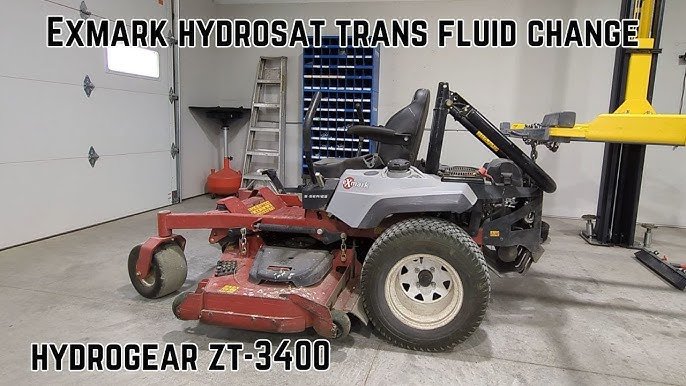
If you want your mower to run smoothly and last longer, changing the transmission oil is a must. You might think it’s complicated or time-consuming, but it’s actually easier than you expect.
Taking care of your mower’s transmission oil helps prevent costly repairs and keeps your machine working like new. In this guide, you’ll learn simple, step-by-step instructions to change your mower transmission oil quickly and safely. Keep reading to discover how you can protect your investment and enjoy a hassle-free mowing experience every time.

Credit: www.youtube.com
Signs Of Worn Transmission Oil
Recognizing the signs of worn transmission oil in your mower is crucial for keeping it running smoothly. Transmission oil plays a key role in lubricating and cooling the transmission components. When it degrades, your mower’s performance and longevity suffer. Pay close attention to these warning signs to avoid costly repairs and downtime.
Reduced Mower Performance
You might notice your mower isn’t as powerful as it used to be. It could struggle to move across rough terrain or take longer to complete the same task. This drop in performance often points to worn transmission oil failing to lubricate properly, causing increased friction and heat inside the transmission.
Have you ever felt your mower hesitate or lag during operation? That hesitation is a red flag. Ignoring it could lead to more serious transmission damage down the line.
Unusual Noises
Listen closely when your mower is running. Grinding, whining, or clunking sounds often indicate trouble inside the transmission. Worn transmission oil loses its ability to cushion metal parts, leading to these harsh noises.
These sounds don’t just annoy—they signal that metal components are rubbing together without enough protection. If you hear this, it’s time to check your transmission oil immediately.
Oil Discoloration And Contamination
Transmission oil should be clear or have a light amber color. Dark, dirty, or gritty oil means it’s contaminated with metal shavings or dirt. This contamination wears down transmission parts and reduces oil effectiveness.
Have you ever inspected your mower’s oil and noticed it looks thick or smells burnt? That’s a clear sign the oil needs changing. Keeping your transmission oil clean is one of the simplest ways to extend your mower’s life.
Tools And Materials Needed
Changing the transmission oil in your mower is a task that demands the right tools and materials. Having everything prepared before you start can save you time and prevent frustration. Knowing exactly what type of oil to use and which tools are essential helps you avoid mistakes and ensures your mower runs smoothly.
Types Of Transmission Oil
Not all transmission oils are created equal. Your mower’s manual usually specifies the exact type you need. Common types include:
- SAE 10W-30:A versatile oil suitable for many small engines and transmissions.
- Hydrostatic Transmission Fluid (HTF):Specifically designed for hydrostatic mowers, offering better protection and performance.
- Gear Oil (SAE 80W-90):Used in some gear-driven transmissions for heavy-duty protection.
Using the wrong oil can lead to poor shifting or even damage the transmission. Have you checked what your mower needs before buying oil?
Essential Tools For The Job
Gathering the right tools makes the oil change faster and cleaner. Here’s what you’ll typically need:
- Drain Pan:To catch the old oil and avoid spills.
- Wrenches or Socket Set:To remove the drain plug and fill plug.
- Funnel:Helps pour the new oil without making a mess.
- Rags or Paper Towels:For cleaning up drips and wiping your hands.
- Gloves:Protect your hands from grease and oil.
- Owner’s Manual:Keeps you informed about oil capacity and specifications.
Have you ever tried changing oil without a proper funnel? It’s a small tool that can save you a lot of cleanup time. Preparing these tools ahead keeps the job smooth and safe.
Preparing Your Mower
Preparing your mower properly is essential before changing the transmission oil. This step ensures safety and makes the process smoother. Taking time to prepare helps avoid damage and accidents. Follow these important actions to get your mower ready.
Safety Precautions
- Turn off the mower and remove the key.
- Allow the engine to cool down completely.
- Wear gloves to protect your hands from oil and dirt.
- Use safety glasses to shield your eyes from splashes.
- Work in a well-ventilated area to avoid fumes.
- Keep children and pets away from the work zone.
Positioning The Mower
- Park the mower on a flat, stable surface.
- Engage the parking brake to prevent movement.
- Use blocks or ramps to raise the mower slightly.
- Ensure the mower is level to allow proper oil drainage.
- Keep a drip pan ready under the transmission area.
Credit: www.youtube.com
Draining Old Transmission Oil
Draining the old transmission oil is a crucial part of maintaining your mower’s performance. Removing the used oil helps get rid of dirt, metal particles, and other contaminants that can damage the transmission over time. Taking the time to do this properly ensures your mower runs smoothly and lasts longer.
Locating The Drain Plug
Before you start draining, you need to find the drain plug. It’s usually located at the bottom of the transmission housing. If you’re unsure where it is, check your mower’s manual or look for a bolt that appears to be the lowest point where oil can flow out.
Sometimes the drain plug is hidden behind protective covers, so you might need a wrench to remove these first. Make sure the mower is on a flat surface and cooled down to avoid burns. Have a container ready to catch the old oil, so you don’t make a mess.
Proper Oil Disposal
Used transmission oil is hazardous to the environment and shouldn’t be thrown in the trash or poured down drains. You can collect the old oil in a sealed container, like an empty oil bottle or a jar with a tight lid.
Many auto parts stores or local recycling centers accept used oil for safe disposal. Calling ahead can save you a trip. Handling oil responsibly protects soil and water from contamination.
Have you ever thought about where your old mower oil ends up? Taking a moment to dispose of it properly is a small effort that makes a big difference.
Refilling With New Oil
Refilling your mower’s transmission with new oil is a crucial step to keep it running smoothly. Using the right oil and the correct filling method ensures your mower performs at its best and lasts longer. Let’s look at how to choose the right oil and the best ways to add it.
Choosing The Right Oil
Not all oils are created equal. Your mower’s transmission requires a specific type of oil, usually specified in the owner’s manual. Using the wrong oil can cause poor performance or even damage the transmission.
Look for oils labeled for lawn mower transmissions or those meeting the manufacturer’s viscosity and additive requirements. Synthetic oils often provide better protection, especially if you use your mower in extreme temperatures.
Ask yourself: Do you often mow in very hot or cold weather? If yes, a synthetic or multi-grade oil can adapt better to temperature changes, keeping the transmission lubricated consistently.
Filling Techniques
Filling the transmission with new oil might seem simple, but doing it correctly matters. First, place a clean container under the drain plug to catch old oil and avoid spills.
Use a funnel with a narrow spout to pour oil slowly into the fill hole. This prevents overfilling and reduces mess. Stop filling when the oil reaches the level recommended in the manual—usually just below the fill hole.
After refilling, wipe off any spilled oil and securely tighten the fill and drain plugs. Have you checked if your mower’s transmission has a dipstick? It can be a handy tool for checking oil level without removing plugs.

Credit: www.greentractortalk.com
Checking For Leaks And Testing
After changing the mower transmission oil, checking for leaks and testing the system is crucial to ensure everything is sealed and running smoothly. Ignoring this step could lead to oil loss or damage to the transmission, costing you more time and money. Let’s take a closer look at how to inspect your mower for leaks and test its performance effectively.
Inspecting Seals And Connections
Start by closely examining all seals and connections around the transmission area. Look for any signs of oil seepage, cracks, or loose fittings that might cause leaks.
Use a clean cloth to wipe around seals and connections, then check again after a few minutes to catch any fresh oil spots. Pay special attention to the drain plug and fill cap, as these are common leak points.
Have you ever skipped this inspection only to find oil pooling under your mower the next day? Catching leaks early saves you from bigger headaches later.
Running The Mower For Performance Check
Next, start your mower and let it run for a few minutes. Listen carefully for any unusual noises, such as grinding or whining, which might indicate transmission issues.
While it’s running, watch for oil leaks again, especially near the seals you just inspected. You want to make sure the oil stays where it belongs under pressure.
Take the mower for a short test on a flat surface, engaging the transmission through different speeds. Does it shift smoothly? Any hesitation or slipping could mean something isn’t right.
Testing your mower right after an oil change helps confirm you did the job correctly. It’s a simple step that gives you peace of mind and keeps your mower running longer.
Maintenance Tips For Longevity
Maintaining your mower’s transmission oil is crucial for its longevity. Regular maintenance ensures smooth operation and prevents costly repairs. These tips will help keep your mower in top shape for years.
Regular Oil Change Schedule
Changing the transmission oil regularly is essential. Follow the manufacturer’s guidelines for the best schedule. Generally, changing the oil every 50 hours of use is recommended. Fresh oil reduces friction and wear. It also helps prevent overheating during operation. Keeping track of the oil change schedule is important. Use a logbook or calendar reminder for consistency.
Storage And Usage Best Practices
Proper storage extends the life of your mower. Store the mower in a dry, clean place. Cover it to protect from dust and moisture. Avoid running the mower on steep slopes. This can strain the transmission. Use the correct oil type recommended by the manufacturer. Check the oil level before each use. This ensures optimal performance and minimizes wear.
Frequently Asked Questions
How Often Should I Change Mower Transmission Oil?
You should change mower transmission oil every 50 hours of use or at least once a year. Regular changes prevent damage and ensure smooth operation.
What Type Of Oil Is Best For Mower Transmission?
Use high-quality SAE 10W-30 or manufacturer-recommended transmission oil. Check your mower’s manual for the exact oil specification.
How Do I Safely Drain Mower Transmission Oil?
Park the mower on a flat surface and cool the engine. Remove the drain plug carefully to avoid spills and dispose of old oil properly.
Can I Change Mower Transmission Oil Myself?
Yes, changing mower transmission oil is a simple DIY task. Follow safety steps, use proper tools, and consult your mower’s manual for guidance.
Conclusion
Changing mower transmission oil keeps your machine running smooth. Regular oil changes prevent damage and save repair costs. Always use the right oil type for your mower model. Keep tools ready and follow safety steps carefully. Clean oil helps your mower work longer and better.
Take your time and check for leaks after finishing. This simple task protects your mower and improves performance. Your mower will thank you with a cleaner, easier cut.





