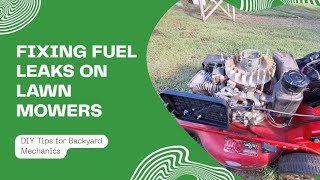
Is your mower leaking fuel and causing you frustration? A fuel leak isn’t just messy—it can be dangerous and stop your mower from working properly.
But don’t worry, you don’t have to be a mechanic to fix it. In this guide, you’ll discover simple, clear steps to find the leak and stop it fast. By the time you finish reading, your mower will be ready to run smoothly again.
Keep reading, and take control of your mower’s performance today.

Credit: www.reddit.com
Identify The Source Of The Leak
Identifying the source of a mower fuel leak is the first step to fix it safely. Finding the exact spot helps avoid wasted time and keeps you safe from fire hazards. This part guides you through key areas to inspect on your mower.
Check Fuel Lines And Hoses
Fuel lines and hoses carry gasoline from the tank to the engine. Look for cracks, holes, or loose connections. Gently squeeze the hoses to find soft or brittle spots. Fuel stains or wet marks often show where the leak starts. Replace damaged lines immediately to stop leaks and prevent damage.
Inspect The Fuel Tank
The fuel tank stores the gasoline. Check it for dents, rust, or holes. Pay close attention to the seams and the area near the fuel cap. Tighten the cap if it is loose, as this can cause leaks. If the tank is cracked or corroded, it may need to be repaired or replaced to stop the leak.
Examine The Carburetor
The carburetor mixes fuel and air for the engine. Look around the carburetor for fuel stains or wet spots. Inspect the gaskets and seals for cracks or wear. Loose bolts or fittings can cause leaks too. Tighten all connections and replace damaged parts to fix leaks in this area.
Gather Necessary Tools And Materials
Fixing a mower fuel leak requires proper preparation. Gathering the right tools and materials helps complete the job safely and efficiently. Without the correct items, the repair could take longer or cause more issues.
Prepare all necessary tools, replacement parts, and safety gear before starting. Organizing these items saves time and reduces stress during the repair process.
Essential Repair Tools
- Screwdrivers (flathead and Phillips) for removing clamps and panels
- Pliers for gripping and twisting fuel lines
- Wrenches for loosening nuts and bolts
- Utility knife to cut damaged fuel hoses
- Drain pan to catch leaking fuel safely
- Rags or shop towels for cleaning spills
- Flashlight for better visibility in tight spaces
Replacement Parts
- Fuel line hose matching your mower’s specifications
- New fuel clamps to secure hoses tightly
- Fuel filter replacement if clogged or damaged
- Gaskets or seals specific to your mower model
- Fuel tank repair kit if the tank has cracks
Safety Equipment
- Protective gloves to avoid fuel contact with skin
- Safety goggles to protect eyes from splashes
- Work apron or old clothes to prevent stains
- Fire extinguisher nearby in case of emergencies
- Well-ventilated workspace to avoid inhaling fumes
Prepare The Mower For Repair
Preparing your mower before fixing a fuel leak is essential for safety and effectiveness. This process helps prevent accidents and makes the repair easier. Follow these simple steps to get your mower ready.
Turn Off And Cool Down The Engine
Always switch off the mower engine before starting any repair. Let it cool down completely. Hot parts or fuel can cause burns or fires. Wait at least 30 minutes for the engine to cool.
Drain The Fuel Tank
Remove the fuel from the tank to stop leaks and spills. Use a fuel siphon pump or carefully pour the fuel into an approved container. Work in a well-ventilated area to avoid inhaling fumes. Keep fuel away from sparks and flames.
Clean The Affected Area
Wipe off dirt, grass, and old fuel from the leak area. Use a clean cloth and a mild detergent if needed. This step helps you see the leak clearly and prevents dirt from entering the fuel system during repair.
Fix Fuel Line And Hose Leaks
Fixing a mower fuel leak involves checking the fuel line and hose for cracks or damage. Replace worn parts with new ones to prevent leaks. Ensure all connections are secure to maintain proper fuel flow.
Fixing a fuel leak in your mower can seem daunting, but tackling the issue head-on can save you time and money. The fuel line and hoses are common culprits when it comes to leaks. Addressing these issues can often be straightforward, and you might not need to call in a professional. A small investment of time can extend the life of your mower and ensure it runs smoothly. Let’s dive into some practical solutions.Tighten Loose Clamps
Loose clamps are often the simplest fix for a fuel leak. Check the connections where the hoses meet the fuel tank and carburetor. If you notice any looseness, grab a screwdriver and tighten the clamps snugly. If you’ve ever had a hose pop off mid-mow, you know the value of secure connections. Keeping these clamps tight can prevent unexpected fuel spills and keep your mower running efficiently.Replace Cracked Or Damaged Hoses
Over time, hoses can become brittle and crack, leading to leaks. Inspect your fuel hoses for any visible damage or signs of wear. If you find any cracks, it’s time to replace them. You might wonder if you can patch them up, but replacing a damaged hose is a more reliable solution. Plus, new hoses ensure a steady fuel flow and prevent future leaks.Seal Minor Cracks With Fuel-resistant Tape
For minor cracks, fuel-resistant tape can be a quick fix. Clean the hose thoroughly before applying the tape to ensure it adheres properly. Wrap the tape tightly around the crack, ensuring full coverage. This temporary solution can keep you mowing until you can replace the hose. However, don’t rely on it for the long term. Have you ever used a quick fix that lasted longer than expected? While this can hold for a while, replacing the hose is always the best option. By addressing these common issues, you can maintain your mower’s efficiency and avoid more costly repairs. Have you checked your mower’s fuel lines lately? It might be time for a quick inspection.Repair Or Replace The Fuel Tank
Dealing with a fuel leak in your mower can be frustrating, but deciding whether to repair or replace the fuel tank is a key step. Small damage might be fixed easily, saving you time and money. However, a severely damaged tank could pose safety risks and lead to bigger problems.
Patch Small Holes With Epoxy
If the leak comes from a tiny hole or crack, epoxy can be an effective fix. Start by draining the fuel and thoroughly cleaning the area around the hole. Make sure it’s dry before applying the epoxy to ensure a strong bond.
Apply the epoxy carefully, covering the damaged spot completely. Let it cure for the recommended time, usually a few hours. After curing, test for leaks by adding a small amount of fuel and observing if any seepage occurs.
This fix is quick and affordable, especially if you caught the leak early. Have you ever tried patching a plastic or metal surface with epoxy? It’s amazing how well it holds if done right.
Replace Severely Damaged Tanks
When cracks are large or the tank is warped, replacement is the safer choice. Continuing to use a compromised tank risks fuel spills and fire hazards. Plus, a new tank ensures your mower runs smoothly without unexpected interruptions.
Check your mower’s manual to find the exact part number for your fuel tank. Buying a direct replacement guarantees a proper fit and seal. If you’re unsure, take the old tank to a hardware store or contact the manufacturer for advice.
Replacing the tank might seem like a hassle, but think about the peace of mind it brings. Would you want to risk a fire just to save a few dollars? Sometimes, investing in a new tank is the smartest move for your safety and mower’s longevity.

Credit: www.reddit.com
Address Carburetor Fuel Leaks
Addressing carburetor fuel leaks is crucial to keep your mower running smoothly and safely. A leaking carburetor not only wastes fuel but can also create fire hazards. Taking the time to inspect and fix this issue can save you money and prevent bigger problems down the line.
Tighten Carburetor Screws
Loose screws on the carburetor can cause fuel to leak from joints or connections. Grab a suitable screwdriver and carefully tighten all screws without overtightening, which can strip the threads or crack the carburetor body.
Check each screw around the carburetor housing, fuel inlet, and throttle linkage. If you notice any stripped screws, replace them immediately to ensure a proper seal. Have you checked your mower’s carburetor screws lately?
Replace Worn Gaskets And Seals
Old gaskets and seals often become brittle or cracked, leading to fuel leaks. Remove the carburetor carefully and inspect all gaskets, especially those between the carburetor and engine block.
Replacing these worn parts with new, exact-fit gaskets and seals restores the tight fuel seal. Use a gasket kit designed for your mower model to avoid compatibility issues. Don’t overlook this step—sometimes a simple gasket swap can solve stubborn leaks that tightening screws alone can’t fix.
Test The Repair
After fixing the fuel leak, testing the repair is essential. This step confirms the leak is gone and your mower is safe to use. A careful check helps avoid damage and keeps the mower running smoothly.
Refill The Fuel Tank
Fill the fuel tank with fresh gasoline. Use a funnel to prevent spills. Do not overfill the tank. Leave some space for fuel expansion. This prepares the mower for the next step.
Start The Mower And Check For Leaks
Turn on the mower and let it run for a few minutes. Watch closely around the repaired area. Look for any signs of fuel dripping or wet spots. Check under the mower and near the fuel lines. If no leaks appear, the repair is successful. If leaks persist, turn off the mower immediately and inspect the repair again.

Credit: www.reddit.com
Prevent Future Fuel Leaks
Preventing future fuel leaks is key to keeping your mower safe and running well. Small leaks can cause big problems. Protect your mower by following simple steps. Routine care and smart storage help avoid fuel spills. These tips save time and money on repairs later.
Regular Maintenance Tips
- Check fuel lines for cracks or wear every month.
- Replace damaged or old fuel hoses promptly.
- Keep the fuel cap tight and secure to avoid leaks.
- Clean the carburetor regularly to prevent clogging.
- Inspect the fuel tank for rust or holes.
- Use fresh, clean fuel to reduce buildup inside parts.
- Drain the fuel system before long periods of inactivity.
Proper Storage Practices
- Store the mower in a dry, cool place away from sunlight.
- Keep the fuel tank empty if storing for over 30 days.
- Use a fuel stabilizer to keep fuel fresh during storage.
- Place the mower on a flat surface to avoid fuel shifting.
- Cover the mower to protect it from dust and moisture.
- Check for leaks before and after storage periods.
Frequently Asked Questions
How Do I Identify A Mower Fuel Leak?
Look for wet spots or fuel smells near the mower’s fuel tank and lines. Check for cracks or loose connections.
What Causes Mower Fuel Leaks?
Common causes include damaged fuel lines, loose clamps, cracked fuel tanks, or faulty carburetor seals. Regular wear can cause leaks.
Can I Fix A Mower Fuel Leak Myself?
Yes, minor leaks can be fixed by replacing damaged hoses or tightening clamps. Always work in a well-ventilated area.
How Often Should Mower Fuel Lines Be Replaced?
Replace fuel lines every 2-3 years or if you notice cracks, brittleness, or leaks to prevent fuel spills.
Conclusion
Fixing a mower fuel leak keeps your machine safe and working well. Check the fuel lines and tank for cracks or holes. Tighten or replace any loose or damaged parts. Clean spills quickly to avoid fire risks. Regular mower care helps stop leaks before they start.
With these simple steps, your mower will run smoothly again. Keep your yard looking great without worry.





