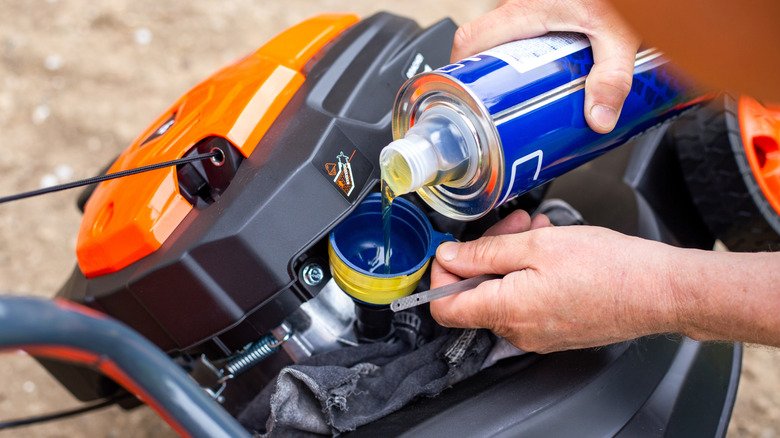
Your mower engine works hard to keep your lawn looking perfect. But without proper care, it can wear out quickly, leaving you with costly repairs or a broken machine.
What if you could extend its life with simple, easy steps? You’ll discover practical tips to maintain your mower engine and keep it running smoothly for years. Ready to save time, money, and frustration? Let’s dive in and learn how to protect your mower engine the right way.
Engine Cleaning
Keeping your mower’s engine clean is essential to ensure it runs smoothly and lasts longer. Dirt, grass clippings, and debris can clog the engine parts, causing overheating or poor performance. Taking the time to clean the engine properly can save you from costly repairs and downtime.
Removing Dirt And Debris
Start by disconnecting the spark plug for safety. Use a brush or compressed air to gently remove dirt and grass stuck around the engine. Pay special attention to vents and cooling fins, as blocked airflow can cause the engine to overheat.
If you notice stubborn grime, a damp cloth with mild detergent can help wipe it off. Avoid spraying water directly on the engine to prevent damage. How often do you check these areas during your mowing routine?
Cleaning Air Filters
A dirty air filter restricts airflow and reduces engine efficiency. Remove the air filter cover and take out the filter carefully. Foam filters can be washed with soap and water, then air-dried before reinstalling.
Paper filters should be replaced if clogged or damaged, as cleaning won’t restore their function. Regularly inspecting and maintaining the air filter ensures your mower breathes well and runs cleaner. When was the last time you replaced your air filter?
Spark Plug Maintenance
The spark plug ignites the fuel-air mixture, so keeping it clean is critical. Remove the spark plug and check for carbon buildup or damage. Use a wire brush to clean the electrode gently or replace the plug if it looks worn out.
Check the spark plug gap with a feeler gauge and adjust it to the manufacturer’s specifications for optimal performance. Proper spark plug care can improve starting ease and fuel efficiency. Have you noticed your mower struggling to start or running unevenly?

Credit: www.1972oil.com
Oil Care
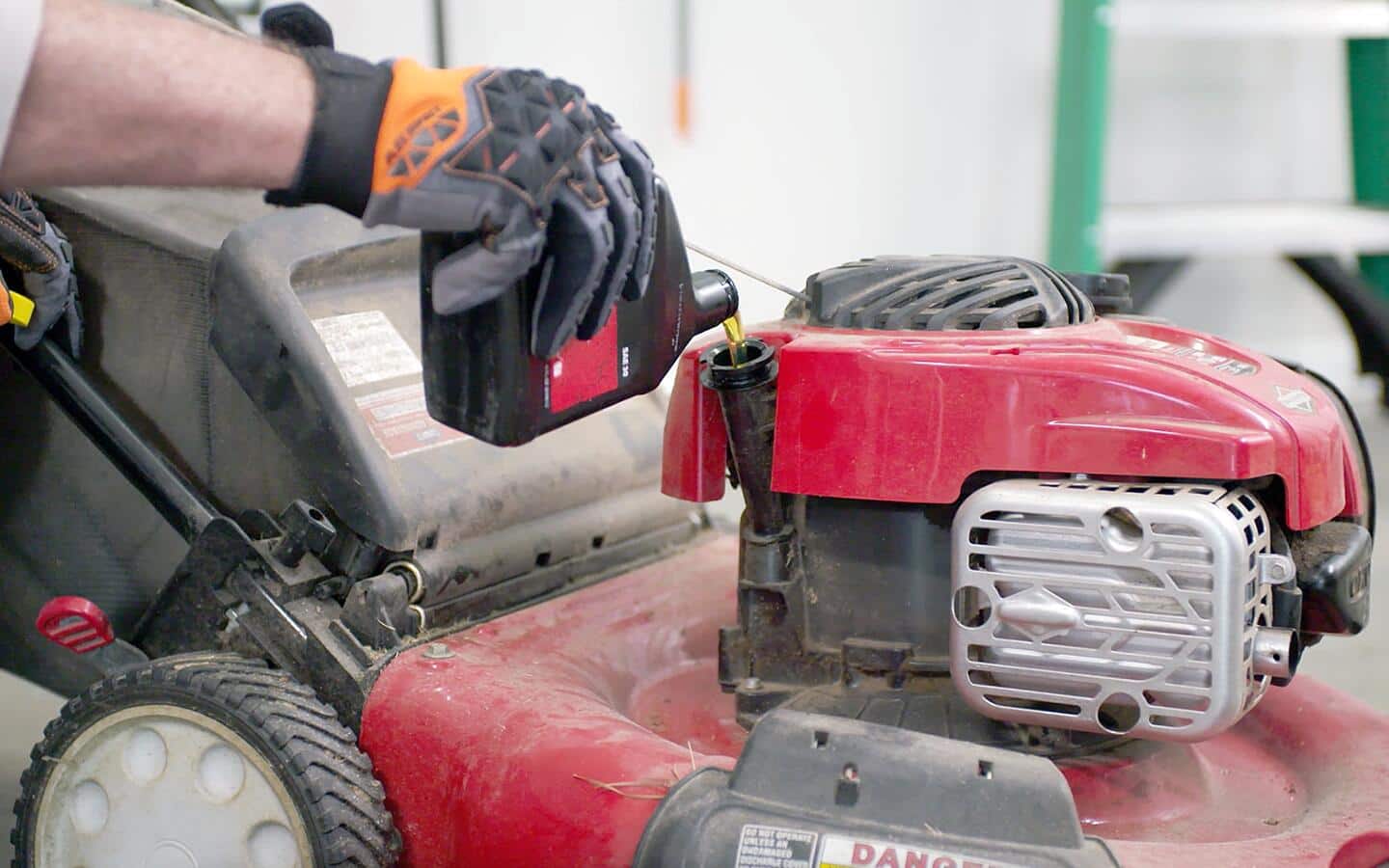
Oil care is essential to keep your mower engine running smoothly. Clean and fresh oil reduces friction and prevents engine damage. Proper oil maintenance extends engine life and improves performance.
Choosing The Right Oil
Select oil based on your mower’s engine type and weather conditions. Use oil with the viscosity grade recommended in the owner’s manual. Synthetic oils offer better protection but regular oils work well for most mowers. Avoid mixing different oil types to maintain engine health.
Changing Oil Regularly
Drain old oil before it becomes dirty or thick. Changing oil every 25 to 50 hours of use keeps the engine clean. Warm up the engine first to help oil drain completely. Dispose of used oil safely at a recycling center.
Checking Oil Levels
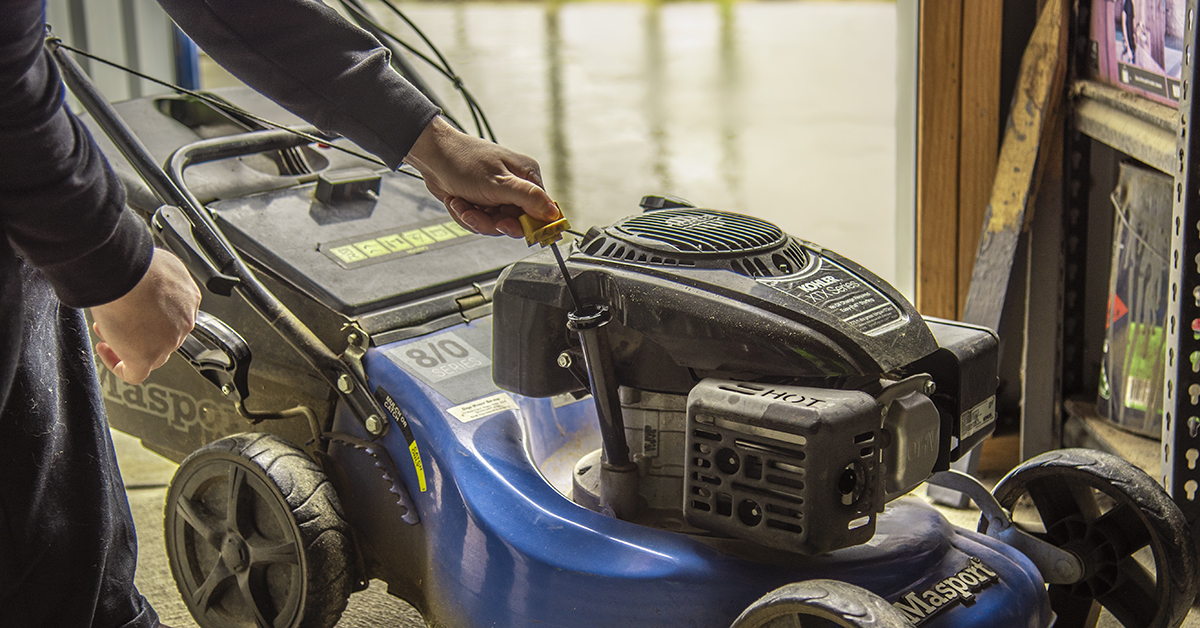
Check oil levels before each use to avoid running low. Use the dipstick to measure the oil, wiping it clean before rechecking. Add oil slowly and avoid overfilling to protect engine parts. Maintain the oil level within the recommended range for best results.
Fuel Management
Proper fuel management is essential for keeping your mower engine running smoothly. Fuel quality affects engine performance and longevity. Stale or contaminated fuel can cause starting problems and damage the engine over time. Follow these simple tips to handle fuel correctly and extend your mower’s life.
Using Fresh Fuel
Always use fresh fuel in your mower. Gasoline begins to degrade after 30 days. Old fuel loses its combustibility and may clog the carburetor. Buy fuel in small amounts to avoid long storage. Store fuel in a cool, dry place away from sunlight. Fresh fuel ensures cleaner combustion and better engine power.
Fuel Stabilizers
Fuel stabilizers help keep gasoline fresh for longer. Add stabilizer to the fuel tank if you won’t use the mower soon. It prevents fuel from breaking down and forming gums. Follow the stabilizer’s instructions for the correct amount. Stabilizers reduce engine problems caused by old or stored fuel.
Draining Old Fuel
Drain old fuel before storing your mower for winter or long breaks. Old fuel can damage the engine and cause hard starts. Use a fuel siphon pump or drain valve if your mower has one. Run the engine until it stops to clear fuel from the carburetor. Draining fuel prevents buildup and keeps the engine ready for use.
Blade And Engine Alignment
Proper blade and engine alignment is crucial for mower longevity. Misalignment can cause uneven cuts and strain the engine. Regular maintenance ensures optimal performance and extends the mower’s life.
Sharpening Blades
Sharp blades are essential for clean cuts. Dull blades tear grass, stressing the engine. To sharpen blades:
- Remove the blade carefully following the mower manual.
- Use a file or grinder to sharpen the edge evenly.
- Reattach the blade securely to avoid accidents.
Balancing Blades
Unbalanced blades cause vibrations and damage the engine. Ensure blades are balanced:
- Place the blade on a balancing tool or nail.
- Check for uneven weight distribution.
- File the heavier side until balanced.
Checking Engine Mounts
Engine mounts keep the engine aligned with the mower deck. Loose mounts cause misalignment. To check engine mounts:
- Inspect mounts for wear or damage.
- Tighten any loose bolts or screws.
- Replace worn mounts to maintain alignment.
Storage Tips
Proper storage is key to extending the life of your mower engine. Neglecting this can lead to rust, fuel degradation, and hard starts next season. The right storage habits keep your engine ready and reliable, saving you time and repair costs.
Winterizing The Engine
To winterize your mower engine, start by draining or stabilizing the fuel. Old fuel clogs the carburetor and damages engine parts. Adding a fuel stabilizer and running the engine for a few minutes helps the stabilizer reach all parts.
Next, change the oil to remove contaminants that can cause corrosion. Fresh oil protects the engine during long storage periods. Don’t forget to clean or replace the air filter to keep dust and debris out.
Proper Off-season Storage
Store your mower in a dry, sheltered spot away from extreme temperatures. A garage or shed is ideal. Cover your mower with a breathable cloth to prevent dust buildup while allowing moisture to escape.
Remove the battery or keep it on a trickle charger to prevent it from dying. Check on your mower every few weeks to catch any issues early. Have you noticed how small maintenance steps before storage save hours of repair later?
Protecting From Moisture
Moisture causes rust and electrical problems. Avoid storing your mower directly on cold concrete floors, which attract moisture. Use a wooden pallet or rubber mat to elevate it.
Keep the storage area well ventilated to reduce humidity. Silica gel packs or moisture absorbers inside the cover can help as well. Taking these precautions stops corrosion before it starts.
Routine Inspections
Routine inspections are the backbone of keeping your mower engine running smoothly for years. Regularly checking key parts helps you spot small issues before they become costly repairs. You don’t need to be a mechanic to perform these checks; a little attention goes a long way.
Checking Belts And Cables
Belts and cables control many essential functions of your mower engine. Look for signs of wear like cracks, fraying, or looseness. If a belt feels too slack or a cable seems sticky, it’s time to adjust or replace it.
During one of my early mower inspections, I ignored a slightly worn belt. It snapped mid-season, leaving me stranded and delaying my work. Catching these issues early saves you time and hassle.
Inspecting Fuel Lines
Fuel lines carry the lifeblood of your engine—gasoline. Check them for leaks, cracks, or hard spots that could cause blockages or spills. If you notice any damage, replace the lines immediately to avoid engine stalling or fire hazards.
Feel the lines for flexibility. Brittle lines often mean the rubber is degrading. A quick squeeze test helps you decide if replacement is necessary.
Monitoring Engine Performance
Listen to your mower’s engine regularly. Strange noises, sputtering, or difficulty starting can signal underlying problems. Pay attention to changes in power or fuel efficiency as these are early warning signs.
Have you noticed your mower struggling uphill or stalling unexpectedly? Don’t ignore these symptoms. Early detection through performance monitoring can extend your mower’s life and save you money on repairs.
Troubleshooting Common Issues
Troubleshooting common mower engine issues can save you time and money while extending the life of your machine. Identifying problems early helps you avoid costly repairs and keeps your mower running smoothly. Let’s look at some typical engine troubles and simple ways to fix them.
Starting Problems
If your mower engine won’t start, check the fuel first. Old or contaminated fuel can cause the engine to stall or not start at all. Try draining the fuel tank and adding fresh gasoline.
Next, inspect the spark plug. A dirty or worn spark plug often prevents ignition. Cleaning it with a wire brush or replacing it usually solves the issue quickly.
Don’t forget to check the air filter. A clogged air filter restricts airflow and makes starting difficult. Cleaning or replacing the filter can make a big difference.
Engine Overheating
Does your mower engine get hot fast? Overheating often results from poor airflow or dirty engine parts. Clear any grass clippings or debris blocking the cooling fins around the engine.
Also, check the oil level. Low or old oil fails to lubricate the engine properly, causing it to overheat. Changing the oil regularly keeps the engine cool and running well.
Have you noticed the engine running harder than usual? It might be time to clean the carburetor. A clogged carburetor can cause the engine to work inefficiently and heat up.
Unusual Noises
Strange sounds like knocking, squealing, or rattling should never be ignored. Knocking often indicates a problem with the piston or connecting rod, which needs immediate attention.
Squealing noises might come from a loose or worn belt. Check the belts for tension and wear, and replace them if needed to avoid damage.
Rattling can be caused by loose parts or debris inside the engine housing. Tighten any loose bolts and remove foreign objects to stop the noise.
Credit: www.homedepot.com
Credit: lawnsolutionsaustralia.com.au
Frequently Asked Questions
How Often Should I Change Mower Engine Oil?
Change your mower engine oil every 25-50 hours of use. Regular oil changes prevent engine wear and maintain smooth operation. Always use the manufacturer-recommended oil type for best results. Clean oil ensures better engine cooling and prolongs engine life.
What Is The Best Way To Clean A Mower Engine?
Clean your mower engine by removing debris and grass clippings regularly. Use a soft brush or compressed air for tight spots. Avoid using water directly to prevent electrical damage. Keeping the engine clean improves cooling and performance.
How Do I Store A Mower Engine For Winter?
Drain fuel or add a fuel stabilizer before storing your mower for winter. Change the oil and clean the engine thoroughly. Store it in a dry, sheltered place to prevent rust and corrosion. Proper storage ensures easy startup in spring.
Why Is Spark Plug Maintenance Important?
Spark plugs ignite the fuel-air mixture in the engine. Clean or replace spark plugs annually for efficient combustion. Faulty spark plugs cause poor engine performance and hard starts. Regular maintenance saves fuel and extends engine life.
Conclusion
Taking care of your mower engine extends its life and keeps it strong. Clean the engine regularly to avoid dirt buildup. Change the oil often to help the engine run smoothly. Use fresh fuel and check the air filter each season.
Keep spark plugs clean and replace them when needed. Simple steps like these save money and time later. Your mower will stay reliable and work better each time. A little care goes a long way for a long-lasting engine.





