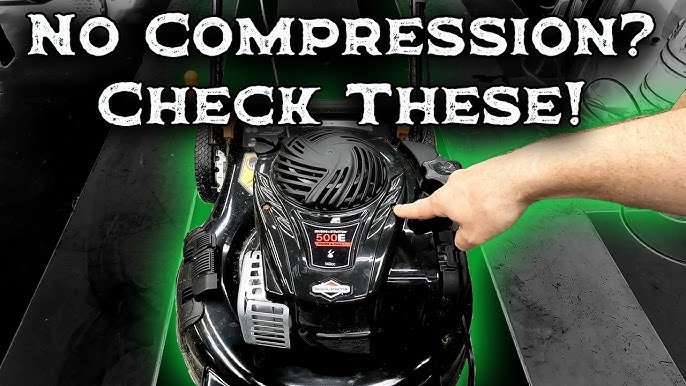
Is your mower not starting like it used to? Or maybe it’s running weak and struggling to cut through the grass?
These issues often come down to one hidden problem: compression loss. Understanding how to troubleshoot mower compression loss can save you time, money, and frustration. You’ll discover simple steps to find the root cause and get your mower back to peak performance.
Keep reading—you’re just moments away from bringing your mower back to life.
Signs Of Compression Loss
Recognizing the signs of compression loss in your mower can save you time and money. Compression loss affects how your engine runs and can lead to bigger issues if ignored. Paying attention to subtle changes in your mower’s behavior can help you catch problems early.
Engine Performance Issues
You might notice your mower running weaker than usual. It may struggle to maintain speed, especially on uneven ground or thick grass. If your mower stalls or feels sluggish, low compression could be the cause.
Have you ever felt your mower lose power suddenly? That’s a key sign your engine isn’t compressing fuel properly. This often happens because the piston rings or valves wear out, letting air escape during combustion.
Unusual Noises
Listen closely when your mower is running. A knocking or tapping sound can indicate compression problems. These noises often come from loose or damaged components inside the engine.
Sometimes, the engine may sound rough or uneven. This happens because the combustion process isn’t smooth due to poor compression. Ignoring these sounds can lead to more serious engine damage.
Starting Problems
Does your mower take multiple pulls to start or fail to start at all? Low compression makes it harder for the engine to ignite the fuel-air mixture. This issue often worsens over time if not addressed.
You may also notice your mower sputtering or backfiring during startup. These symptoms point to inefficient combustion caused by compression loss. Checking compression early can prevent frustrating starting problems.
Common Causes Of Compression Loss
Understanding the root causes of compression loss in your mower is vital. Identifying these issues can extend the life of your equipment. Let’s explore the common culprits behind compression loss.
Worn Piston Rings
Piston rings help seal the combustion chamber. Over time, they can wear out. This wear allows gases to escape. Reduced compression follows. Check for smoke from the exhaust. It’s a sign of worn rings.
Damaged Cylinder Walls
Cylinder walls can sustain damage from debris or lack of oil. Scratches or grooves can let air escape. This results in reduced compression. Regular maintenance can prevent wall damage.
Faulty Valves
Valves control air and fuel flow in the engine. If they don’t close properly, compression drops. Check for bent or burnt valves. Adjust or replace them if needed.
Blown Head Gasket
The head gasket seals the engine block and cylinder head. A blown gasket can cause leaks. This leads to loss of compression. Look for oil leaks or white smoke. These are signs of a bad gasket.
Tools Needed For Diagnosis
Diagnosing mower compression loss requires the right tools. These tools help you check the engine’s condition and find the problem fast. Having them ready makes the process simple and clear.
Each tool serves a specific purpose. Using the correct tool ensures accurate results. This saves time and avoids guesswork during repair.
Compression Tester
A compression tester measures the engine’s compression pressure. It tells if the cylinder holds enough pressure to run well. This tool screws into the spark plug hole and gives a reading. Low pressure means a possible issue with valves or piston rings.
Spark Plug Wrench
A spark plug wrench removes and installs spark plugs safely. Removing the spark plug is necessary to use the compression tester. This wrench fits snugly around the plug to prevent damage. It also helps check the spark plug’s condition.
Basic Hand Tools
Basic hand tools include screwdrivers, pliers, and wrenches. These tools help remove engine covers and parts for inspection. They assist in checking seals, gaskets, and other components. Having a set of common tools makes diagnosis easier and faster.
Performing A Compression Test
Performing a compression test helps find engine problems causing low power. It checks how well the mower’s cylinder seals and compresses air. Good compression means the engine can run smoothly and start easily. This test is simple and gives clear results.
Preparing The Mower
First, remove the spark plug wire for safety. Take out the spark plug using a wrench. This clears the cylinder for the test. Make sure the fuel tank has some fuel to turn the engine over. Clean the area around the spark plug hole to stop dirt from falling inside.
Conducting The Test
Insert the compression gauge into the spark plug hole. Hold the gauge firmly to avoid air leaks. Pull the mower’s starter cord quickly several times. Watch the gauge needle as it moves. Note the highest number the gauge shows before it drops.
Interpreting Results
Check your mower’s manual for the correct compression value. Numbers below the recommended range mean compression loss. Low compression can come from worn piston rings, valves, or a damaged cylinder. If the compression is very low or zero, the engine may have a serious problem. High compression means the engine is healthy and ready to run well.
Quick Fixes For Compression Issues
Compression loss in a mower can cause poor performance and hard starting. Quick fixes often solve common compression issues. These simple tasks improve engine power and extend mower life.
Start by checking parts that commonly wear out or get dirty. These fixes require basic tools and minimal experience. Follow these steps to restore proper compression and get your mower running smoothly.
Cleaning Or Replacing Spark Plugs
Spark plugs affect engine combustion and compression. Dirty or damaged plugs reduce spark strength and cause misfires. Remove the spark plug and inspect it closely.
- Clean the plug with a wire brush if it has carbon buildup.
- Check the electrode gap and adjust it to the manufacturer’s specs.
- Replace the spark plug if it is cracked, fouled, or worn out.
Proper spark plugs improve combustion and help restore compression pressure.
Adjusting Valve Clearance
Valve clearance affects how well the valves seal during compression. Incorrect clearance lets air leak out, lowering compression. Measure the valve gap with a feeler gauge.
- Consult the mower’s manual for the correct clearance values.
- Loosen the lock nut and adjust the clearance with a screwdriver or wrench.
- Tighten the lock nut and recheck the gap to ensure accuracy.
Proper valve adjustment ensures tight sealing and improves compression efficiency.
Replacing Worn Seals
Seals prevent air and fuel leaks in the engine. Worn or cracked seals cause compression loss. Inspect the seals around the cylinder, crankcase, and valves.
- Identify any seals that look damaged or brittle.
- Remove the old seals carefully using appropriate tools.
- Install new seals that match your mower’s model.
New seals restore airtight compression chambers and improve engine power.

Credit: www.youtube.com
When To Replace Engine Components
Knowing when to replace engine components is key to fixing mower compression loss effectively. If you delay, minor issues can turn into costly repairs. You want to catch problems early, saving time and money while keeping your mower running smoothly.
Piston Ring Replacement Signs
Worn or damaged piston rings cause poor compression. You might notice your mower struggles to start or produces excessive smoke. Another clear sign is a sudden drop in engine power, especially when mowing thick grass.
Check for oil fouling on spark plugs or blue smoke from the exhaust. These symptoms often point to piston rings that no longer seal properly. If you spot these signs, replacing the rings can restore compression and improve engine performance.
Cylinder Resurfacing Needs
Scratches or scoring inside the cylinder can reduce compression dramatically. If you hear knocking noises or feel uneven engine power, the cylinder surface might be damaged. Visual inspection after removing the cylinder head will reveal if the surface is rough or warped.
In such cases, resurfacing the cylinder restores a smooth sealing surface for the piston rings. This process is critical because a worn cylinder wall can prevent new rings from sealing correctly. Ask yourself—have you noticed performance drops despite replacing rings? That’s a clue to check the cylinder condition.
Valve Repair Indicators
Faulty valves often cause compression loss by failing to close tightly. Listen for unusual ticking sounds or rough idling, which can indicate valve issues. You might also experience backfiring or difficulty maintaining engine speed under load.
Check for bent, burned, or leaking valves during a compression test or when inspecting the cylinder head. Repairing or replacing these valves is necessary to restore proper sealing and regain compression. Have you considered valve trouble if other parts check out fine?
Preventive Maintenance Tips
Maintaining your mower to prevent compression loss is easier than fixing the problem after it occurs. Simple, consistent care keeps your engine running smoothly and extends its life. Here are some practical tips to help you avoid compression issues before they start.
Regular Oil Changes
Oil lubricates the engine’s moving parts and reduces wear that can cause compression loss. Changing the oil regularly keeps the engine clean and prevents sludge buildup that clogs passages.
Check your mower’s manual for the recommended oil change intervals. If you use your mower heavily or in dusty conditions, consider changing the oil more often. Have you noticed your engine running hotter or sounding rough? That might be a sign it’s time for fresh oil.
Proper Storage Practices
How you store your mower impacts its engine health. Leaving fuel in the tank for long periods can gum up the carburetor and valves, leading to compression problems.
Drain the fuel or add a fuel stabilizer before storing your mower for the season. Store it in a dry, sheltered place to avoid moisture buildup that causes rust inside the engine. Have you ever found your mower hard to start after winter? Proper storage can fix that.
Routine Engine Inspections
Inspecting your mower’s engine regularly helps catch small issues early. Look for worn or damaged spark plugs, loose bolts, and air filter dirt that restricts airflow and affects compression.
Clean or replace the air filter as needed to keep the engine breathing well. Tighten any loose components to avoid vibrations that wear down parts. How often do you take a moment to check your mower before use? A few minutes can save hours of repair later.

Credit: www.youtube.com

Credit: www.youtube.com
Frequently Asked Questions
What Causes Mower Compression Loss?
Compression loss often results from worn piston rings, damaged valves, or a blown head gasket. Dirt and debris can also cause cylinder wall damage, leading to compression problems.
How To Test Mower Compression Easily?
Use a compression gauge by removing the spark plug, inserting the gauge, and pulling the starter cord. Read the gauge to check if compression meets the mower’s specifications.
Can A Damaged Valve Cause Compression Loss?
Yes, damaged or bent valves can prevent proper sealing in the combustion chamber, causing compression loss and poor engine performance.
How To Fix Low Mower Compression?
Fixing low compression involves replacing worn piston rings, repairing valves, or resealing the head gasket. Professional help may be needed for complex repairs.
Conclusion
Fixing mower compression loss can save time and money. Start by checking the spark plug and air filter. Clean or replace parts that look worn or dirty. Test the compression with a gauge to find the exact problem. Keep your mower clean and well-maintained to avoid future issues.
Small steps make a big difference. Stay patient and follow each step carefully. Your mower will run smoother and last longer. Ready to get your lawn back in shape?





