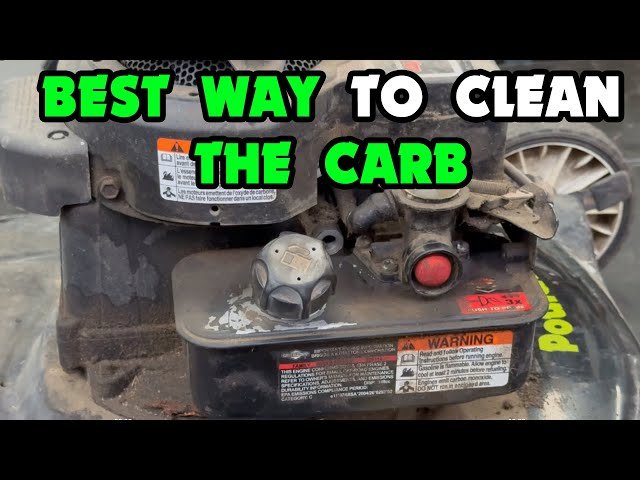
Is your mower struggling to start or running rough? A clogged carburetor might be the culprit.
When your mower’s carburetor gets blocked, it stops fuel from flowing properly, leaving you stuck with a machine that won’t work. But don’t worry—you can fix this yourself without calling a repair shop. In this guide, you’ll learn simple, step-by-step tips to clear your mower’s carburetor and get it running smoothly again.
Keep reading, and you’ll be ready to tackle the problem with confidence and ease.

Credit: www.youtube.com
Signs Of A Clogged Carburetor
Recognizing the signs of a clogged carburetor in your mower is crucial before the problem worsens. A carburetor that’s blocked can cause several performance issues, making your mower unreliable and frustrating to use. Paying attention to these warning signals helps you act quickly and avoid costly repairs or downtime.
Engine Struggles To Start
If you notice your mower takes multiple pulls or extra effort to start, the carburetor might be clogged. Fuel flow gets restricted, starving the engine of the mixture it needs to ignite. Have you ever had your mower just sputter or refuse to catch no matter how many times you try? That hesitation often points to carburetor trouble.
Uneven Engine Performance
Once the engine is running, a clogged carburetor can cause it to run rough or stall unexpectedly. You might hear irregular sounds, or the mower could surge and then lose power suddenly. These fluctuations happen because the carburetor isn’t delivering a steady fuel-air mix. How often do you find your mower bogging down on flat ground? That’s a key sign to check the carburetor.
Excessive Smoke Or Odor
Another clear symptom is seeing thick smoke coming from the mower or smelling strong fuel odors. This usually means the carburetor is delivering too much fuel or not burning it efficiently. Have you ever noticed a strong gasoline smell right after starting your mower? That’s a red flag that your carburetor needs cleaning or adjustment.

Credit: ahmcorp.com
Tools And Materials Needed
Before you dive into fixing a mower with a clogged carburetor, gathering the right tools and materials is crucial. Having everything ready saves time and avoids frustration mid-repair. It also ensures you can tackle the job safely and effectively.
Basic Hand Tools
You’ll need some simple hand tools to open up the mower and access the carburetor. A set of screwdrivers, both flathead and Phillips, is essential. Wrenches or socket sets will help you remove bolts holding the carburetor in place.
Don’t forget needle-nose pliers for handling small parts or springs. A small brush can assist in cleaning tight spaces. These tools are common in most toolboxes, so you might already have them handy.
Cleaning Supplies
Cleaning the carburetor thoroughly is key to fixing the clog. Carburetor cleaner spray is specifically designed to dissolve varnish and debris inside the carburetor body. Avoid using generic cleaners, as they might damage sensitive parts.
Paper towels or clean rags will help wipe off dirt and excess cleaner. A can of compressed air can blow out tiny passages that are hard to reach. Gloves protect your hands from harsh chemicals during cleaning.
Replacement Parts
Sometimes cleaning isn’t enough, and parts need replacement. Carburetor rebuild kits come with gaskets, diaphragms, and other small components that wear out over time. Check your mower model to get the exact kit.
If the fuel filter looks dirty or clogged, replacing it can improve fuel flow and prevent future carburetor issues. Having these parts ready before you start prevents delays and ensures a smoother repair process.
Preparing The Mower For Cleaning
Before cleaning a clogged carburetor, the mower needs proper preparation. This process helps avoid accidents and makes cleaning easier. Taking the right steps ensures safety and access to the carburetor parts.
Safety Precautions
Turn off the mower completely. Remove the spark plug wire to stop accidental starting. Wear gloves to protect your hands from dirt and sharp parts. Work in a well-ventilated area to avoid inhaling fumes. Keep a fire extinguisher nearby, just in case. Avoid smoking or open flames near the mower.
Accessing The Carburetor
Remove the mower’s engine cover carefully. Use a screwdriver or wrench to take off bolts. Keep track of all screws and parts for easy reassembly. Locate the carburetor, usually near the air filter. Detach the air filter and its housing to get clear access. Take photos if needed to remember the part positions.
Removing The Carburetor
Removing the carburetor from your mower is a key step in fixing a clogged carburetor. It might seem tricky at first, but with the right approach, you can do it safely and efficiently. Understanding how to detach the fuel lines and unfasten the bolts will make this task much easier and help you avoid damage to other parts.
Detaching Fuel Lines
Before you start, make sure your mower is off and cool to avoid any accidents. Locate the fuel lines connected to the carburetor; these are usually rubber hoses that carry fuel. Use pliers to gently squeeze the clamps and slide them away from the carburetor to free the fuel lines.
It’s important not to pull too hard on the hoses themselves, as they can crack or tear. If the fuel lines feel stuck, try twisting them slightly to loosen the connection. Be prepared for a small amount of fuel to spill — keep a rag handy to catch drips and prevent messes.
Unfastening Carburetor Bolts
Once the fuel lines are detached, focus on the bolts holding the carburetor in place. These bolts are often small and require a socket wrench or screwdriver, depending on your mower model. Make sure to keep track of each bolt as you remove it — losing one can delay your repair.
Work carefully and loosen the bolts evenly to avoid bending or damaging the carburetor mounting plate. Have you noticed how some bolts seem tougher to turn? Applying a bit of penetrating oil can ease stubborn bolts and save you from frustration. After removing the bolts, gently pull the carburetor away from the engine to complete the removal process.
Cleaning The Carburetor
Cleaning the carburetor is a key step to bring your mower back to life after it starts acting sluggish or won’t start at all. Dirt, old fuel, and debris can clog tiny parts inside the carburetor, stopping fuel from flowing properly. Taking the time to clean it carefully can save you from costly repairs or a trip to the shop.
Soaking And Scrubbing
Start by removing the carburetor from your mower, then soak it in a bowl filled with a carburetor cleaning solution or a mix of warm water and mild detergent. Let it soak for at least 30 minutes to loosen the gunk inside.
After soaking, use a soft brush or an old toothbrush to scrub away stubborn dirt. Be gentle to avoid damaging delicate parts. Have you noticed how much grime can hide in those tiny crevices?
Clearing Jets And Passages
The jets and fuel passages inside the carburetor are often where clogs occur. Use a thin wire or a needle to carefully clear these channels. Poking through each passage ensures fuel can flow freely and your mower will run smoothly again.
If you’re unsure which holes to clean, check your mower’s manual or look for diagrams online. Taking the time to clear every jet can make a huge difference in performance.
Using Carburetor Cleaner Spray
After scrubbing and clearing, use a carburetor cleaner spray to flush out remaining deposits. Spray into all openings, jets, and moving parts. The cleaner evaporates quickly and leaves no residue, helping parts move freely.
Remember to wear gloves and work in a well-ventilated area. Have you tried this spray before? It’s a quick way to reach spots scrubbing can’t touch.

Credit: www.youtube.com
Reassembling And Testing
After cleaning the clogged carburetor, it’s time to put everything back together. Careful reassembly ensures the mower runs smoothly. Testing the engine confirms the carburetor works properly. Follow these steps to reassemble and test your mower effectively.
Reattaching The Carburetor
Start by placing the carburetor back onto the engine. Align it carefully with the mounting bolts. Use a wrench to tighten the bolts securely but avoid over-tightening. Reconnect the throttle and choke linkages. Attach the fuel lines firmly to prevent leaks. Double-check all connections before moving forward.
Refilling Fuel And Checking For Leaks
Fill the mower’s tank with fresh fuel. Use clean fuel to avoid future clogs. After filling, inspect all fuel line connections. Look for any signs of leaking or dripping. Tighten fittings if needed. Run a cloth under the fuel lines to catch small leaks during testing.
Starting And Adjusting The Engine
Turn on the mower and start the engine. If it does not start, check the choke position. Let the engine warm up for a few minutes. Listen for smooth running without sputtering. Adjust the idle speed screw to stabilize the engine. Make small turns and test the response. Stop the engine and inspect again if needed.
Preventing Future Clogs
Regularly clean the carburetor to stop dirt and debris buildup. Use fresh fuel and store the mower properly to avoid clogs. Routine maintenance keeps the engine running smoothly.
Preventing future clogs in your mower’s carburetor is essential. A clean carburetor ensures your mower runs smoothly. It’s about regular care and attention. Let’s explore some effective strategies.Regular Maintenance Tips
Regular maintenance keeps your carburetor in top condition. Clean your mower after each use. Remove grass and debris from the blades and undercarriage. Check the air filter regularly. Replace it if it’s dirty or damaged. Inspect the carburetor for buildup. Clean it with a carburetor cleaner spray. Tighten any loose screws or bolts. This prevents parts from rattling or vibrating.Using Fresh Fuel
Always use fresh fuel for your mower. Old fuel can cause clogs and issues. Purchase fuel in small quantities. This ensures it’s always fresh. Use fuel stabilizer to extend its life. Avoid ethanol-rich fuels, as they can damage engines. Dispose of old fuel responsibly. Never mix new and old fuel.Proper Storage Practices
Proper storage prevents carburetor problems. Before storage, run the mower until it uses all fuel. This prevents leftover fuel from sitting in the carburetor. Clean the mower thoroughly. Store it in a dry, sheltered place. Cover it with a tarp to protect it from dust. Check the mower periodically during long storage periods. Ensure no pests or dirt accumulate.Frequently Asked Questions
How Do I Identify A Clogged Carburetor In My Mower?
A clogged carburetor causes poor engine performance, rough idling, and difficulty starting. Look for black smoke or fuel leaks. Cleaning or replacing the carburetor can restore mower function quickly.
What Tools Are Needed To Fix A Clogged Carburetor?
You need basic tools like screwdrivers, wrenches, carburetor cleaner, a small brush, and compressed air. These help disassemble, clean, and reassemble the carburetor safely and effectively.
Can I Clean The Carburetor Without Removing It?
Cleaning without removal is possible but less effective. It may clear minor debris but deep clogs require full removal for thorough cleaning and inspection.
How Often Should I Clean My Mower’s Carburetor?
Clean the carburetor at least once a year or after 25 hours of use. Regular maintenance prevents clogs and keeps the mower running smoothly.
Conclusion
A clogged carburetor can stop your mower from working well. Cleaning it carefully helps the engine run smooth again. Regular maintenance keeps dirt and grime away. Small fixes save time and money in the long run. Take your time, follow the steps, and check the mower often.
This way, your mower stays ready for the next cut. Keep it simple, and your mower will last longer.





