Have you ever wondered what makes your lawn mower tick? If you’re curious about the inner workings of your trusty grass-cutting companion, you’re in the right place.
Understanding the components of your lawn mower can save you time and money, and help you maintain a perfectly manicured lawn. One key component that often raises questions is the carburetor. Do lawn mowers have carburetors? And if so, what role do they play in keeping your mower running smoothly?
This article will unravel these questions, making the complex world of lawn mower mechanics easy to grasp. Get ready to dive into the details and discover how this small part has a big impact on your mowing experience. Keep reading to find out how knowing more about your mower can lead to a better, hassle-free lawn care routine.
Lawn Mower Engines
Lawn mower engines power the cutting blades and drive the machine. These engines come in different types to suit various mowing needs. Understanding the engine helps explain how lawn mowers work and maintain their performance.
Types Of Engines Used
Most lawn mowers use small internal combustion engines. These engines run on gasoline and are usually either two-stroke or four-stroke types.
- Two-stroke engines:Lightweight and simple but less common in modern mowers.
- Four-stroke engines:More efficient, cleaner, and widely used in most lawn mowers today.
Some electric lawn mowers use electric motors instead of fuel engines. These motors do not have carburetors but work on battery power.
Role Of Carburetors In Engines
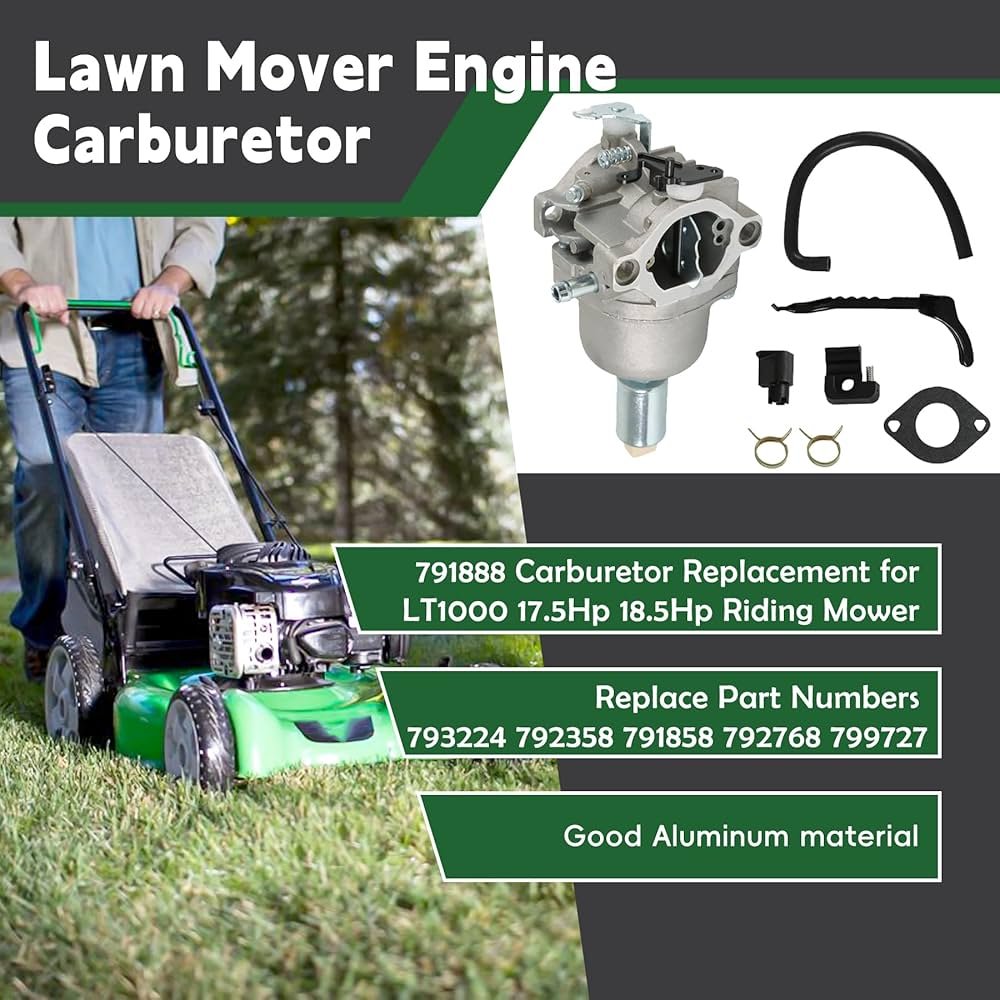
Carburetors mix air and fuel before it enters the engine. This mixture must be just right for the engine to run smoothly.
In gasoline-powered lawn mowers, the carburetor controls fuel flow and air intake. It ensures the engine gets enough fuel at different speeds and loads.
Without a carburetor, the engine cannot start or run properly. It plays a key role in engine efficiency and performance.

Credit: www.amazon.ca
Carburetor Basics
Understanding the basics of a carburetor is key if you want to keep your lawn mower running smoothly. This small but vital part mixes air and fuel in the right amounts to power your engine. Knowing how it works and what parts it includes can save you time and money on repairs.
How Carburetors Work
A carburetor controls the flow of air and fuel into the engine. It uses a simple principle: air passes through a narrow tube called the venturi, which creates suction. This suction pulls fuel into the air stream, mixing both before entering the engine cylinder.
Think about it like making a smoothie—you need the right balance of ingredients to get the perfect taste. If the mixture is too rich or too lean, your engine will run poorly or might not start at all.
Components Of A Carburetor
Several parts work together inside a carburetor to get that perfect mix:
- Float Bowl:Holds a small reserve of fuel ready to be mixed.
- Venturi:The narrow path that increases air speed and decreases pressure to draw fuel in.
- Throttle Valve:Controls how much air-fuel mixture goes into the engine based on your throttle input.
- Choke Valve:Helps start the engine by restricting air and enriching the fuel mixture when cold.
- Main Jet:Regulates the fuel flow into the venturi.
Each component has a job, and if one isn’t working right, you’ll notice your mower struggling. Have you ever tried adjusting your carburetor and wondered which part to focus on? Knowing these parts makes troubleshooting easier and more effective.
Carburetors In Lawn Mowers
Carburetors play a key role in many lawn mowers, especially those powered by gasoline engines. They mix air and fuel in the right proportions to keep the engine running smoothly. Understanding how carburetors work can help you maintain your mower better and troubleshoot common problems.
Presence In Gas-powered Mowers
Most gas-powered lawn mowers have carburetors. These small but important parts regulate the flow of fuel and air to the engine. Without a properly functioning carburetor, your mower might stall, run rough, or fail to start.
If you’ve ever noticed your mower sputtering or smelling like gasoline, the carburetor could be dirty or clogged. Cleaning it can often solve these issues and save you a repair bill. Have you checked your mower’s carburetor lately?
Differences In Electric And Battery Mowers
Electric and battery-powered lawn mowers do not have carburetors. Instead, they rely on electric motors powered by batteries or direct electricity. This means fewer parts to maintain and generally less hassle.
Without a carburetor, electric mowers start instantly and are quieter. But they also require charging and may not offer the same power as gas models. What matters more to you: convenience or power?
Common Carburetor Issues
Carburetors play a crucial role in your lawn mower’s engine, but they can develop issues that affect performance. Understanding common carburetor problems helps you spot trouble early and keep your mower running smoothly. You don’t need to be a mechanic to recognize these signs or know what causes them.
Signs Of A Faulty Carburetor
Is your lawn mower struggling to start or stalling frequently? These are clear warnings your carburetor might be acting up. Other signs include:
- Rough idle:The engine runs unevenly or vibrates more than usual.
- Poor acceleration:Your mower doesn’t speed up smoothly when you increase the throttle.
- Black smoke from the exhaust:This can indicate the fuel mixture is too rich.
- Fuel leaks:Visible wet spots or strong fuel smells near the carburetor.
Have you noticed any of these symptoms while mowing? Ignoring them can lead to bigger engine problems down the road.
Causes Of Carburetor Problems
Most carburetor issues come from simple causes you can often fix yourself. Dirt and debris build-up is a common culprit, especially if you store your mower in dusty areas. Old fuel can gum up the tiny passages inside the carburetor, blocking fuel flow.
Wear and tear also affects carburetor parts like the float or needle valve. These components control fuel delivery, and if they fail, your engine won’t get the right mix of air and fuel. Have you checked your mower’s fuel filter recently? A clogged filter can force the carburetor to work harder and fail prematurely.
Maintenance Tips
Maintaining a lawn mower’s carburetor is vital for its smooth operation. Regular care helps avoid common issues and extends the mower’s life. Simple steps can keep the carburetor clean and functioning well. Understanding basic maintenance ensures your mower runs efficiently every time.
Cleaning The Carburetor
Start by removing the carburetor from the mower. Use a carburetor cleaner spray to remove dirt and debris. Pay attention to small jets and passages; they often get clogged. A soft brush can help clear stubborn grime. Rinse with clean water and let it dry completely before reassembly. Regular cleaning prevents poor engine performance and hard starts.
Preventing Carburetor Problems
- Use fresh fuel to avoid gum buildup inside the carburetor.
- Drain fuel before long storage periods to prevent residue formation.
- Replace the fuel filter regularly to keep the carburetor clean.
- Check and replace air filters to stop dirt from entering the carburetor.
- Run the engine periodically to keep fuel flowing smoothly.
These steps reduce the chances of carburetor damage and improve mower performance.
Credit: www.ebay.ca
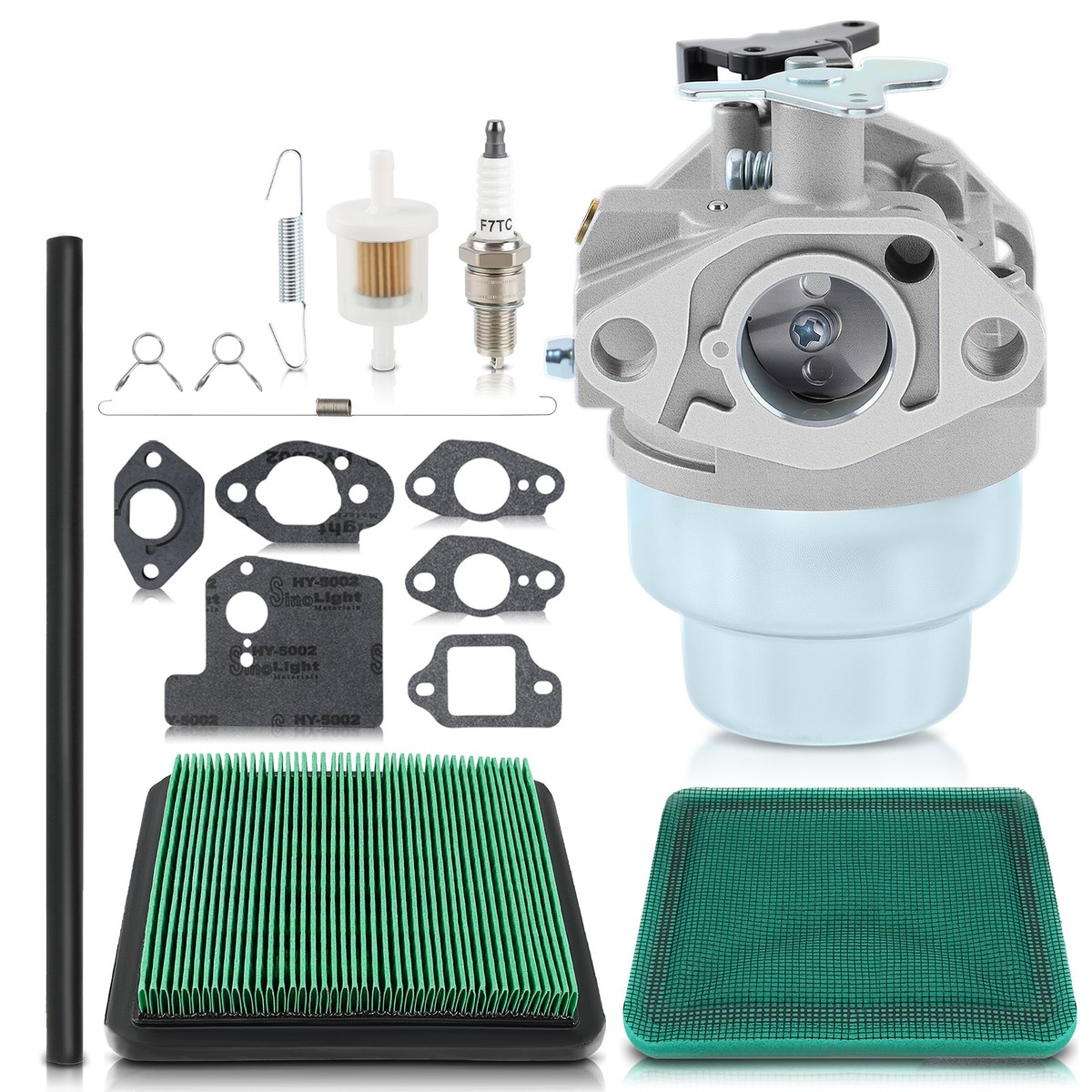
Carburetor Replacement
Replacing the carburetor in your lawn mower can bring it back to life, especially if it’s been running rough or not starting at all. This small but crucial part controls the mix of air and fuel your engine needs to run smoothly. Knowing when and how to replace your carburetor can save you time and money on repairs.
When To Replace
Is your mower struggling to start, stalling frequently, or running unevenly? These are common signs that the carburetor may be failing.
Other indicators include:
- Black smoke from the exhaust, showing a rich fuel mixture.
- Fuel leaks around the carburetor area.
- Excessive fuel consumption without increased mowing time.
Sometimes, cleaning the carburetor can fix minor issues. But if problems persist after cleaning, replacement is often the best option. Have you checked the carburetor lately when your mower acts up?
Choosing The Right Carburetor
Picking the correct carburetor for your lawn mower is essential for optimal performance. Not all carburetors fit every model, so matching the part number or specifications is key.
Here’s what to consider:
- Compatibility:Look up your mower’s model number and engine type to find compatible carburetors.
- Quality:Opt for OEM (original equipment manufacturer) parts or trusted aftermarket brands to ensure reliability.
- Features:Some carburetors come with adjustable settings, which can be useful if you want fine control over fuel flow.
When I replaced my mower’s carburetor, choosing an OEM part saved me from repeated tune-ups. What’s your experience with aftermarket parts—do they last as long for you?

Credit: www.reddit.com
Frequently Asked Questions
Do All Lawn Mowers Have Carburetors?
Most traditional gas-powered lawn mowers have carburetors. However, some newer models use fuel injection systems instead. Carburetors mix air and fuel for the engine to run efficiently. Electric and battery-powered mowers do not use carburetors at all.
How Does A Lawn Mower Carburetor Work?
A carburetor mixes air and fuel in the correct ratio for combustion. It uses a venturi to draw fuel into the airflow. This mix powers the engine and ensures smooth operation. Proper carburetor function is essential for mower performance.
Can A Lawn Mower Run Without A Carburetor?
Gas-powered mowers cannot run without a carburetor unless they have fuel injection. The carburetor supplies the right air-fuel mix for combustion. Without it, the engine won’t start or run properly.
How To Maintain A Lawn Mower Carburetor?
Regular cleaning and inspection keep the carburetor in good shape. Use carburetor cleaner to remove dirt and deposits. Check for damaged parts and replace them if needed. Proper maintenance improves mower efficiency and lifespan.
Conclusion
Lawn mowers often have carburetors to mix air and fuel. This part helps the engine run smoothly and start easily. Knowing about carburetors can help you maintain your mower better. Cleaning or fixing it can improve mower performance. A well-kept carburetor means less trouble when mowing.
Understanding this small part saves time and money. Keep your mower in good shape by checking the carburetor regularly. Simple care keeps your lawn mower working well for years.





